Rumex occidentalis
S. Watson
Western dock
iNaturalist· cc-by-nc
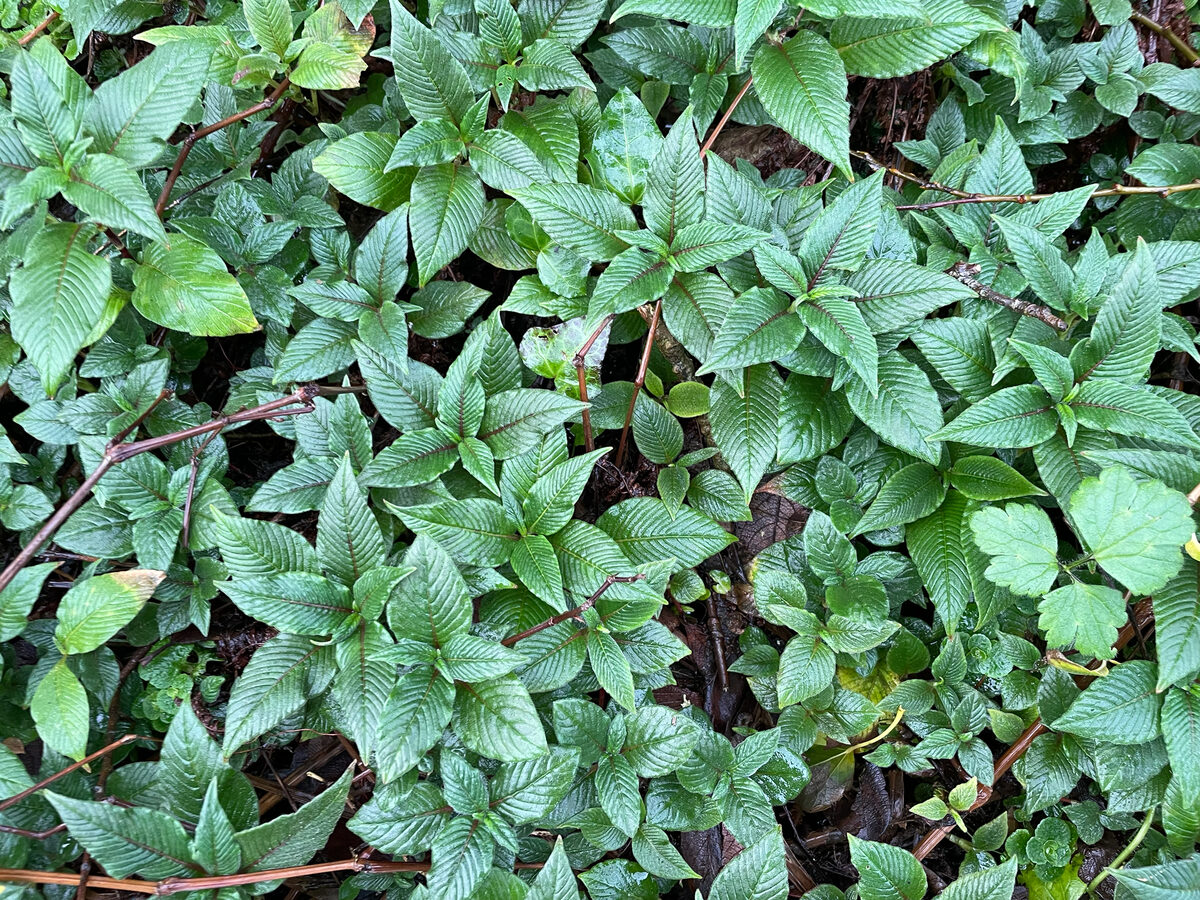
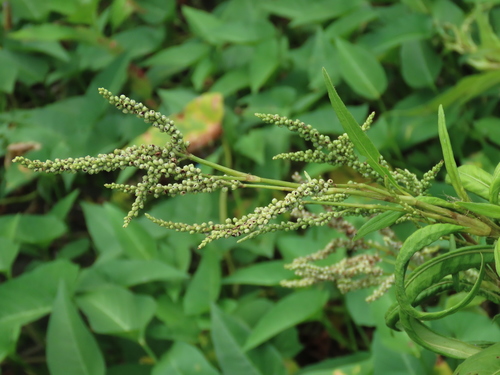
(c) IanLJones, some rights reserved (CC BY-NC), uploaded by IanLJones
iNaturalist· cc-by-nc
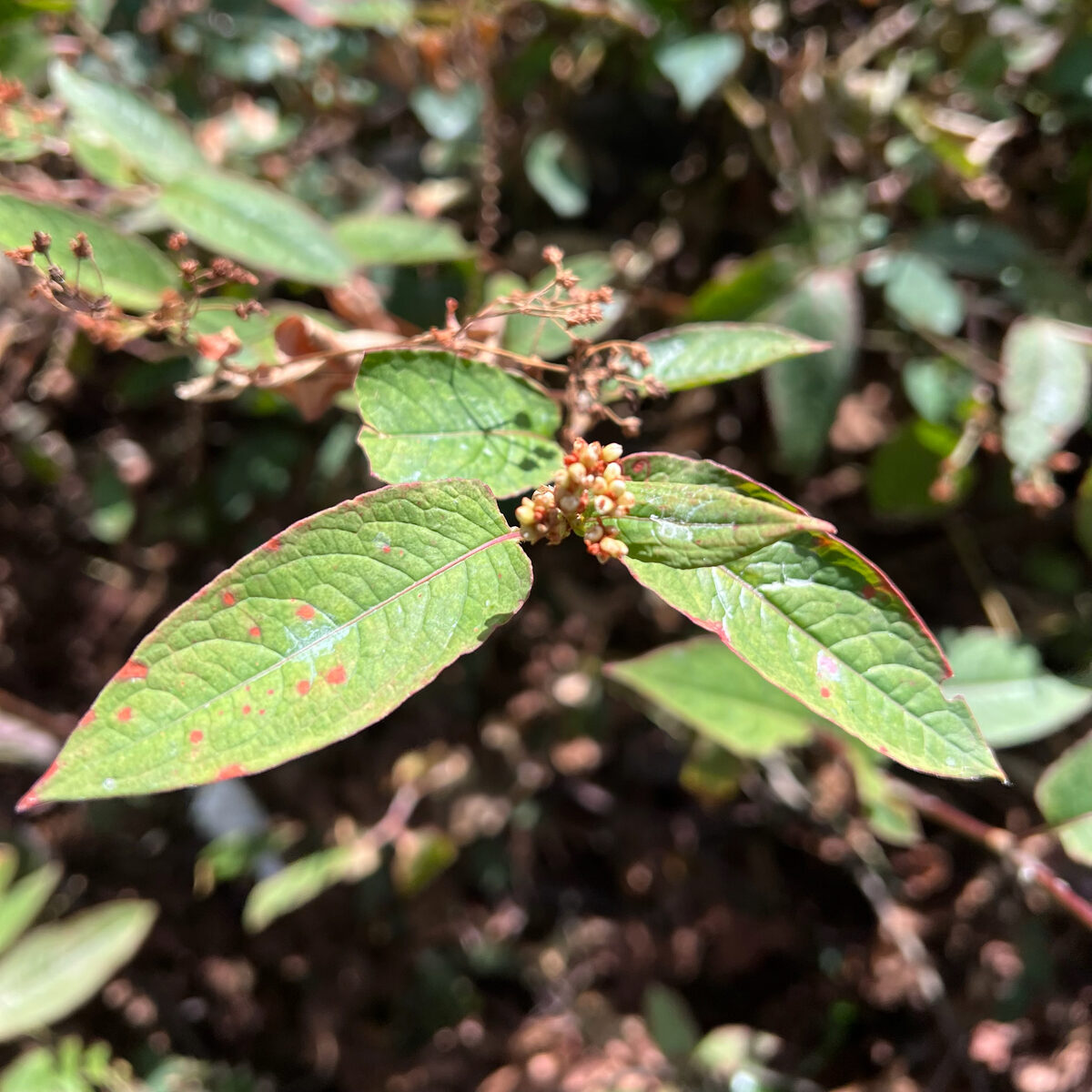
(c) Jon David Nelson, some rights reserved (CC BY-NC), uploaded by Jon David Nelson
iNaturalist· cc-by-nc
(c) jozien, some rights reserved (CC BY-NC), uploaded by jozien
Summary
Source: WikipediaRumex occidentalis is a flowering plant species belonging to the family Polygonaceae. Commonly known as western dock, Rumex occidentalis can be found in parts of Western North America.
Description
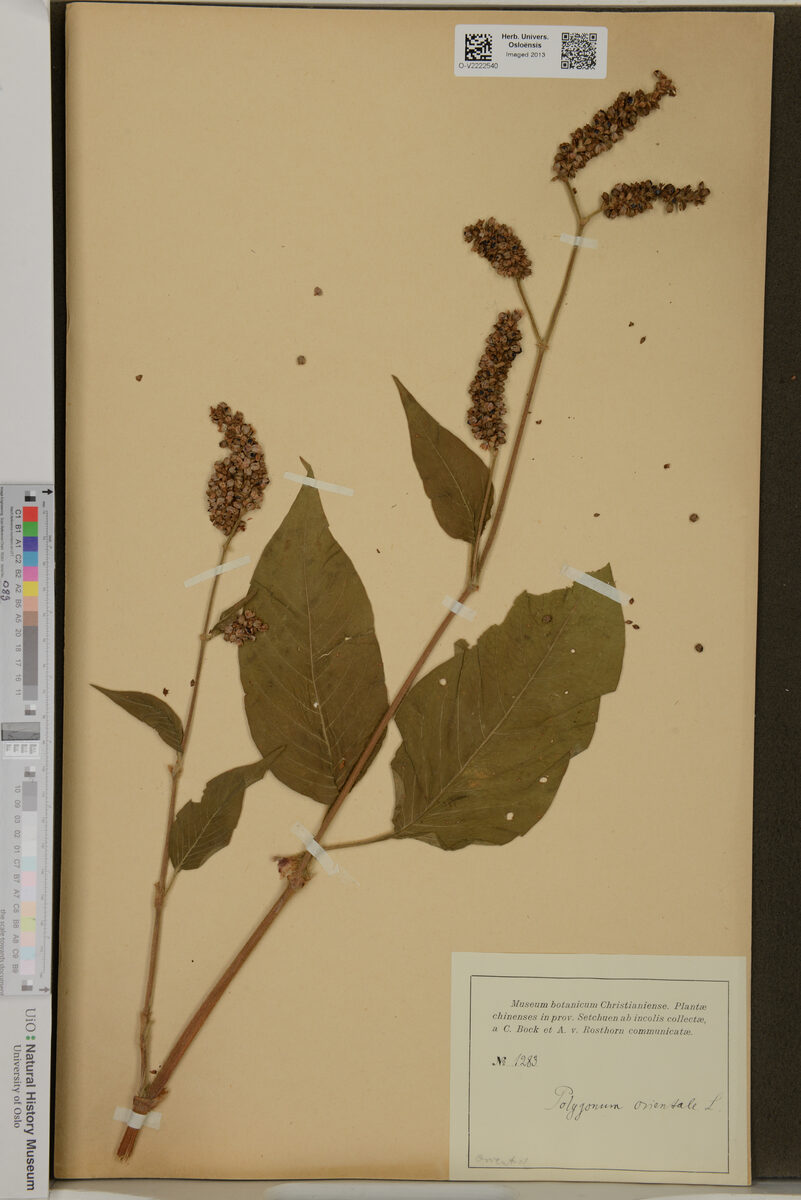
A herb that keeps growing from year to year. It has a tap root. It grows 1-2 m high. The stems are erect and stout. They often have a red tinge. The leaves at the base have a long stem. The blades are 10-30 cm long. They are triangle shaped. The have a round base and taper to the point. The leaves up the stem get smaller. The flowers are small and green and in coarse clusters at the top. They become red then brown.
Edible Uses
Young leaves can be cooked and used like spinach, though they have a bitter taste. Native North American Indians would add oil to improve the flavour. Young stems are also edible cooked and were used in a similar way to rhubarb. The seeds can be eaten raw or cooked, and ground into a powder for making gruel or incorporating into cereal flours for bread. They are small and fiddly to harvest.
Traditional Uses
The young stems are cooked with sugar and eaten. They can be used for jam. The young leaves are cooked and eaten.
This uses section is brief — help expand it
Medicinal Uses
The leaves have been used in herbal sweat baths to relieve body-wide pains resembling rheumatism. A poultice of leaves combined with mashed, roasted roots has been applied to sores, boils, and wounds. A paste made from the root alone has also been used as a poultice on cuts and boils.
Known Hazards
Plants can contain quite high levels of oxalic acid, which is what gives the leaves of many members of this genus an acid-lemon flavour. Perfectly alright in small quantities, the leaves should not be eaten in large amounts since the oxalic acid can lock-up other nutrients in the food, especially calcium, thus causing mineral deficiencies. The oxalic acid content will be reduced if the plant is cooked. People with a tendency to rheumatism, arthritis, gout, kidney stones or hyperacidity should take especial caution if including this plant in their diet since it can aggravate their condition.
Distribution
It is a temperate plant. It grows in moist and swampy areas.
Where It Grows
Canada, North America, USA,
Cultivation
Succeeds in most soils but prefers a deep fertile moderately heavy soil that is humus-rich, moisture-retentive but well-drained and a position in full-sun or part shade. Plants were seen growing well in a sunny well-drained bed at Kew in 1989.
Propagation
Sow seed in spring in a cold frame. Prick seedlings out into individual pots once large enough to handle, and plant out during summer. Plants can also be propagated by division in spring.
Other Uses
No specific dye information has been recorded for this species, but roots of many plants in this genus yield dark green to brown and dark grey dyes without requiring a mordant.
Notes
There are about 200 Rumex species.
Synonyms
References (8)
- Anderson, M. K., 2012, Edible Seeds and Grains of California Tribes and the Klamath Tribe of Oregon in the Phoebe Apperson Hearst Museum of Anthropology Collections, University of California, Berkeley. USDA p 15 (As Rumex aquaticus var. fenestratus)
- Beckstrom-Sternberg, Stephen M., and James A. Duke. "The Foodplant Database." http://probe.nalusda.gov:8300/cgi-bin/browse/foodplantdb.(ACEDB version 4.0 - data version July 1994)
- Kermath, B. M., et al, 2014, Food Plants in the Americas: A survey of the domesticated, cultivated and wild plants used for Human food in North, Central and South America and the Caribbean. On line draft. p 768
- MacKinnon, A., et al, 2009, Edible & Medicinal Plants of Canada. Lone Pine. p 321
- Moerman, D. F., 2010, Native American Ethnobotany. Timber Press. p 495 (As Rumex aquaticus var. fenestratus)
Show all 8 references Hide references
- Plants for a Future database, The Field, Penpol, Lostwithiel, Cornwall, PL22 0NG, UK. http://www.scs.leeds.ac.uk/pfaf/
- Proc. Amer. Acad. Arts 12:253. 1877
- Turner, N., 1995, Food Plants of Coastal First Peoples. Royal BC Museum Handbook p 108