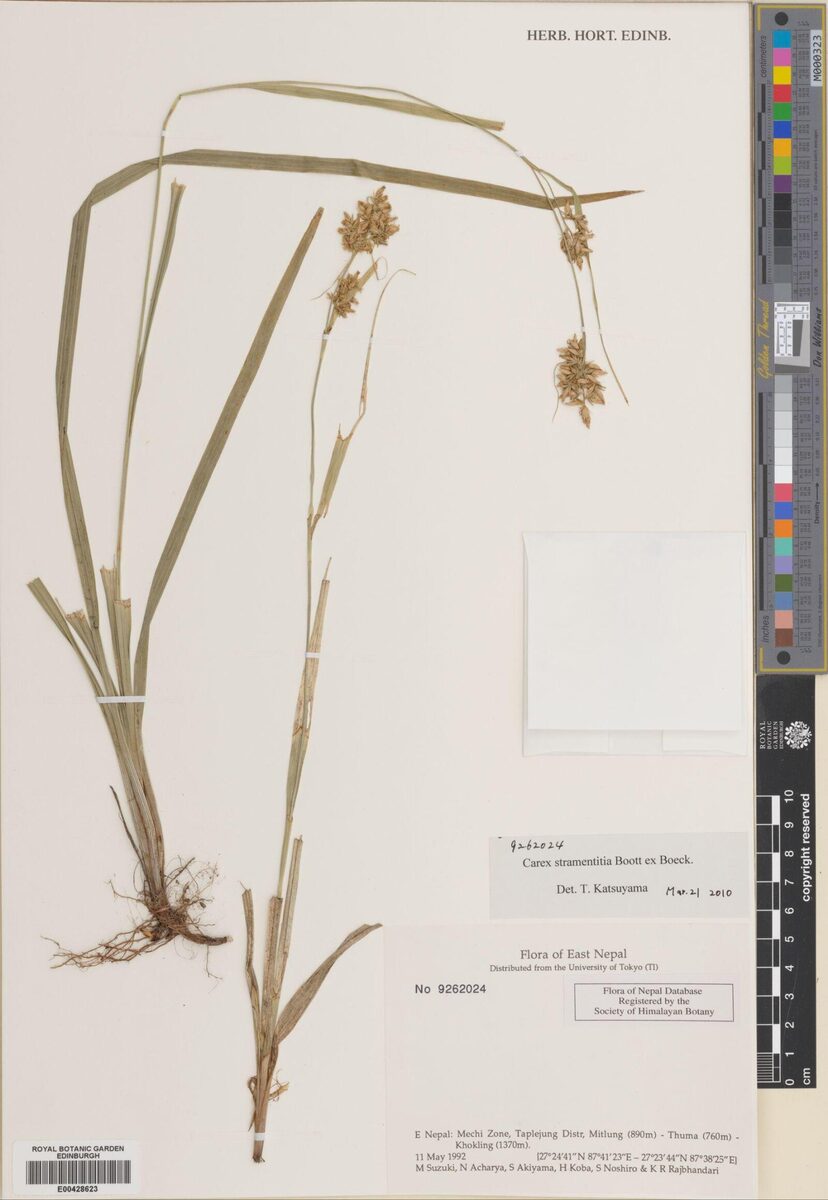
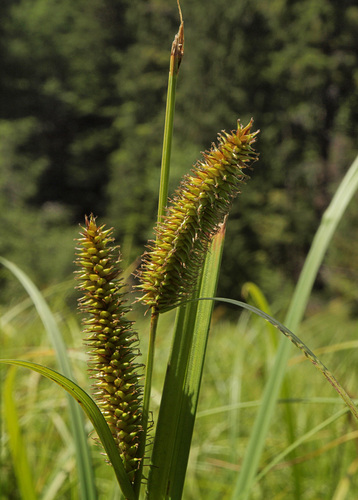
Eriophorum gracile
Roth.
Cotton grass
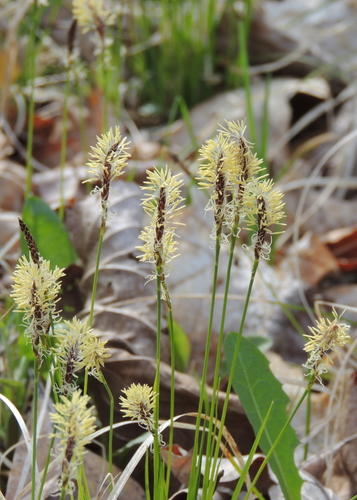
iNaturalist· cc-by-nc
(c) Tony Ernst, some rights reserved (CC BY-NC), uploaded by Tony Ernst
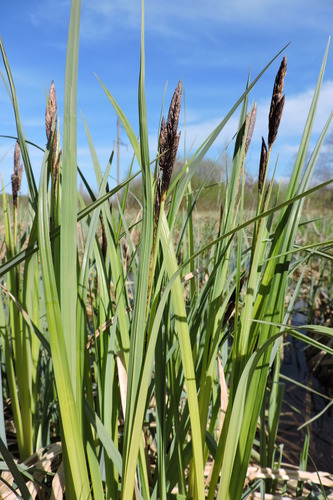
iNaturalist· cc-by-nc
(c) odenwaelder, some rights reserved (CC BY-NC), uploaded by odenwaelder
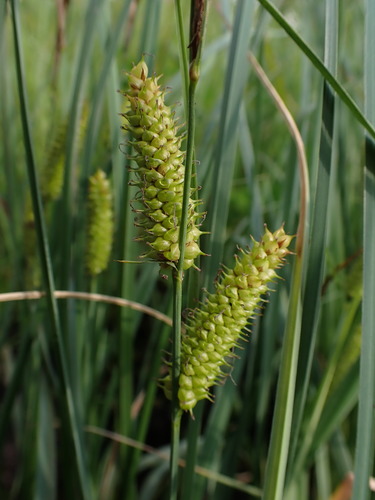
iNaturalist· cc-by-nc
(c) Rob Routledge, some rights reserved (CC BY-NC), uploaded by Rob Routledge
Summary
Source: WikipediaEriophorum gracile is a species of flowering plant in the sedge family, Cyperaceae. It is known by the common name slender cottongrass, or slender cottonsedge. Eriophorum gracile is a plant with circumboreal distribution, extending south into mountain ranges of the Northern Hemisphere. It grows in wet areas such as bogs. Eriophorum gracile is a thin, tall perennial herb with a slender, rounded, solid, mostly naked stem reaching 30 to 60 centimeters in height. It produces a fluffy inflorescence atop its stem with a wispy, cottony white flower. The plants grow in colonies, often spreading vegetatively by rhizome.
Description
Slender cottongrass is a perennial reaching 50 cm tall. It flowers June to July with seeds ripening July to August. The plant is monoecious with wind-pollinated flowers. It tolerates light sandy, medium loamy, and heavy clay soils, thriving in mildly to very acidic conditions. Grows in semi-shade or full light and prefers wet soil or shallow water.
Edible Uses
Young stem bases can be eaten raw or cooked. The root is also edible raw or cooked, but the blackish covering should be removed before eating.
Traditional Uses
The rootstock is eaten raw or cooked.
This uses section is brief — help expand it
Medicinal Uses
None known
Distribution
It is a temperate plant.
Where It Grows
Alaska, Britain, Europe, Korea, North America, USA,
Cultivation
Requires boggy conditions or a pond margin and an acid soil. Grows well in heavy clay soils. Quite invasive.
Propagation
Sow seed in situ in spring in moist soil in light shade. Germination usually takes place within 2–6 weeks at 15°C. If seed is scarce, sow in pots in a cold frame, placing the pots in a tray of water to keep the compost moist. Prick seedlings out into individual pots when large enough to handle, then plant out in summer. Division in spring or autumn is very easy; divisions can be replanted directly into their permanent positions.
Other Uses
The cottony seed hairs are used to make candle wicks, stuff pillows, and produce paper. They also serve as tinder.
Also Known As
Alaska cotton, Mousenuts, Swamp cotton
References (2)
- Lim, T. K., 2015, Edible Medicinal and Non Medicinal Plants. Volume 9, Modified Stems, Roots, Bulbs. Springer p 41
- Plants for a Future database, The Field, Penpol, Lostwithiel, Cornwall, PL22 0NG, UK. http://www.scs.leeds.ac.uk/pfaf/