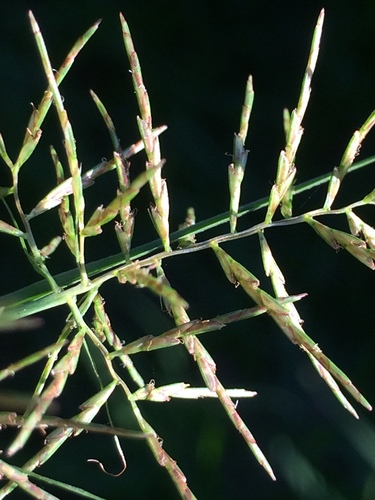
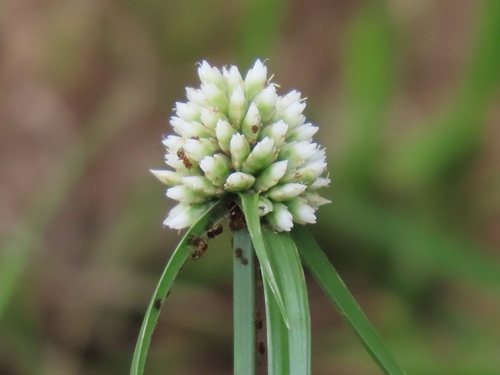
Cyperus hemisphaericus
Boeck
iNaturalist· cc-by-nc
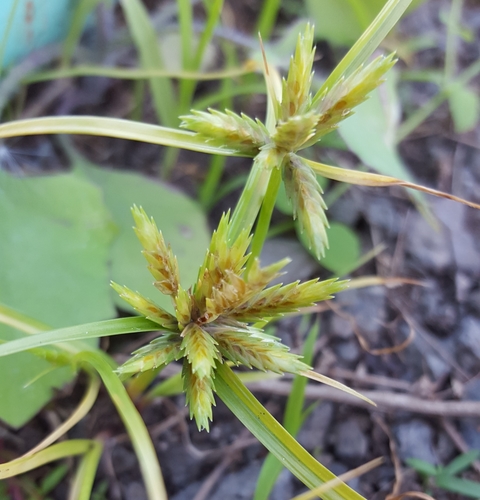
(c) Bart Wursten, some rights reserved (CC BY-NC)
iNaturalist· cc-by-nc
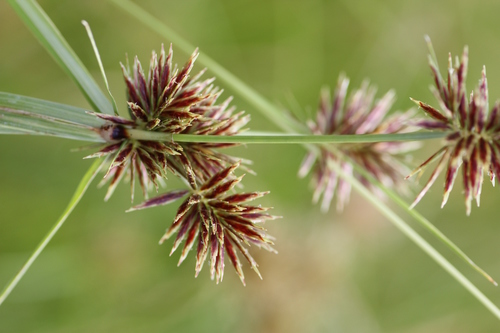
(c) Bart Wursten, some rights reserved (CC BY-NC)
iNaturalist· cc-by-nc
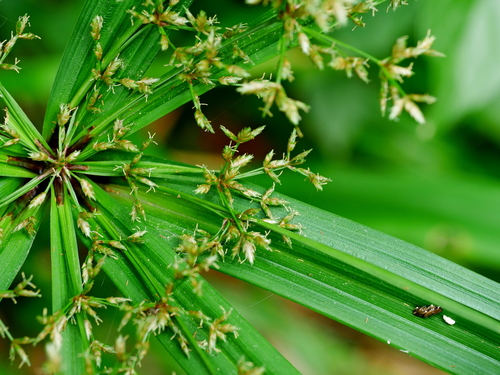
(c) Bart Wursten, some rights reserved (CC BY-NC)
Summary
Source: WikipediaCyperus hemisphaericus is a species of sedge that is endemic to eastern parts of Africa.
Description
A perennial sedge in the Cyperaceae family with rhizomes, roots, and bulbs, native to tropical regions where it grows in seasonally wet grasslands and savannahs and can tolerate arid conditions. It is used as a famine food.
Edible Uses
Rhizomes - raw or cooked as a vegetable. Often treated as a food that is only eaten when better foods are not available.
Traditional Uses
The rhizome is eaten cooked or uncooked as a vegetable.
This uses section is brief — help expand it
Distribution
It is a tropical plant. It grows in seasonally wet grasslands and savannahs. It can grow in arid places.
Where It Grows
Africa, East Africa, Kenya, Mozambique, South Africa, Southern Africa, Tanzania,
Other Information
A famine food.
Synonyms
References (2)
- Royal Botanic Gardens, Kew (1999). Survey of Economic Plants for Arid and Semi-Arid Lands (SEPASAL) database. Published on the Internet; http://www.rbgkew.org.uk/ceb/sepasal/internet [Accessed 16th April 2011]
- Simpson, D. A. & Inglis, C. A., 2001, Cyperaceae of Economic, Ethnobotanical and Horticultural Importance: A checklist. Kew Bulletin Vol. 56, No. 2 (2001), pp. 257-360