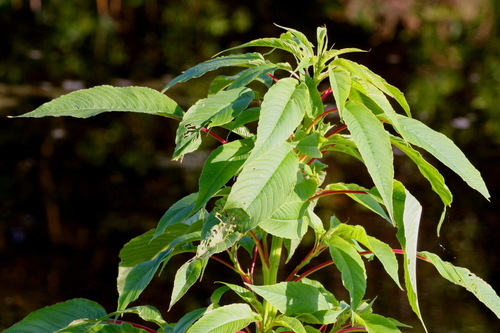
Leymus racemosus - (Lam.)Tzvelev.
(Lam.)Tzvelev.
Volga Wild Rye, Mammoth wildrye
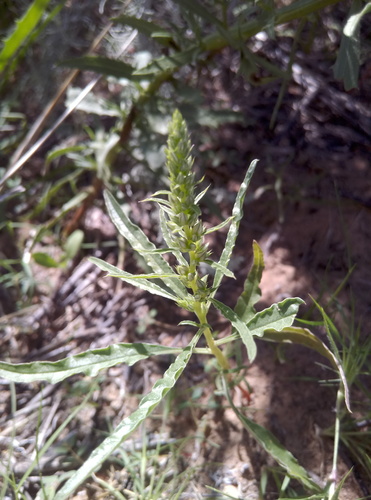
gbif· cc-by
Stanislav Murashkin
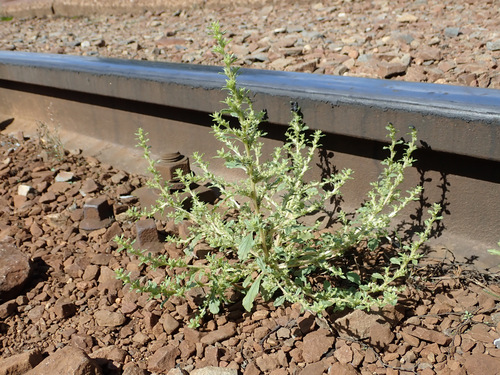
gbif· cc-by
Stanislav Murashkin
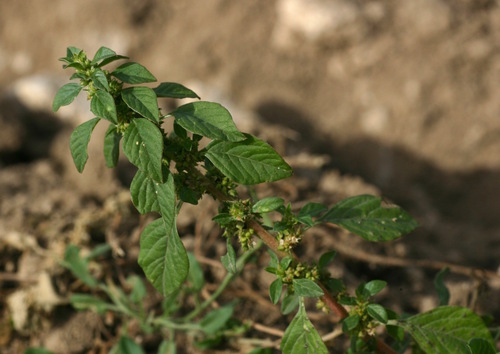
gbif· cc-by
Stanislav Murashkin
Description
Leymus racemosus is a PERENNIAL growing to 1.2 m (4ft). See above for USDA hardiness. It is hardy to UK zone 5. It is in flower from July to September, and the seeds ripen from September to October. The species is hermaphrodite (has both male and female organs) and is pollinated by Wind. Suitable for: light (sandy), medium (loamy) and heavy (clay) soils, prefers well-drained soil and can grow in nutritionally poor soil. Suitable pH: mildly acid, neutral and basic (mildly alkaline) soils. It cannot grow in the shade. It prefers dry or moist soil and can tolerate drought. The plant can tolerate maritime exposure.
Edible Uses
Oil. Seed - used as a cereal substitute in some parts of Russia, especially in times of drought. The seed is rather small and difficult to extract. Young underground shoots - raw. Sweet and tender.
Distribution
Europe, in Russia, to central Asia and Tibet.
Where It Grows
TEMPERATE ASIA: Turkey (north), Russian Federation-Ciscaucasia (Ciscaucasia), Armenia, Azerbaijan, Georgia, Russian Federation (Dagestan), Russian Federation (Buryatia, Tyva, Respublika, Altay, Krasnoyarsk, Kurganskaja oblast, Tyumen (south)), Kazakhstan, Kyrgyzstan, Uzbekistan (north), Mongolia, China (Xinjiang Uygur Zizhiqu) EUROPE: Moldova, Russian Federation (Kalmykija, Respublika, Astrakhan, Saratov, Volgogradskaja oblast), Ukraine (incl. Krym), Bulgaria, Greece, Romania
Cultivation
Succeeds in most soils, preferring a sandy soil and a sunny position. Established plants are drought resistant. Plants can be very invasive, spreading freely by means of the rhizomes. Currently (1990) being evaluated as a perennial grain crop in N. America. There are some named varieties, selected for their ornamental value.
Propagation
Seed - sow mid spring in situ and only just cover the seed. Germination should take place within 2 weeks. If the supply of seed is limited, it can also be sown in mid spring in a cold frame. Only just cover the seed. When large enough to handle, prick the seedlings out into individual pots and plant them out in summer Division in spring or summer. Very easy, larger clumps can be replanted direct into their permanent positions, though it is best to pot up smaller clumps and grow them on in a cold frame until they are rooting well. Plant them out in the spring.
Other Uses
Oil Soil stabilization. Plants have an extensive spreading root system and are used to stabilize inland sand dunes, though they do not tolerate salty conditions.