Lathyrus latifolius
L.
Perennial Sweet Pea, Perennial pea
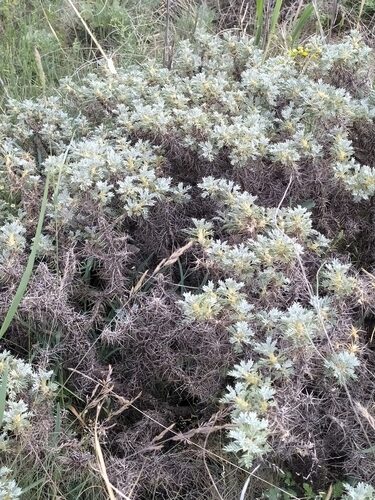
iNaturalist· cc-by
(c) John Brew, some rights reserved (CC BY), uploaded by John Brew
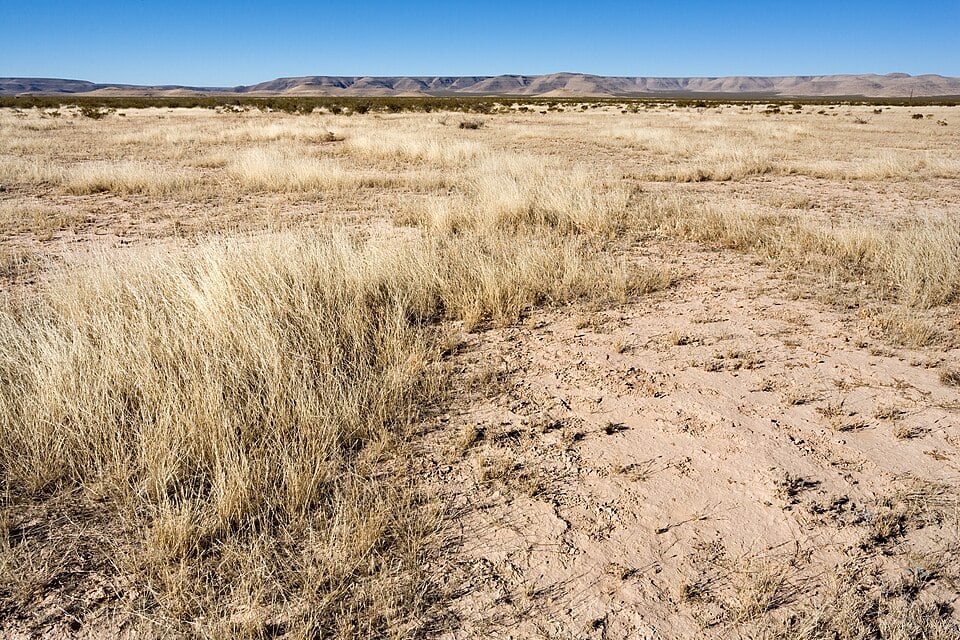
iNaturalist· cc-by-nc
(c) James, some rights reserved (CC BY-NC), uploaded by James
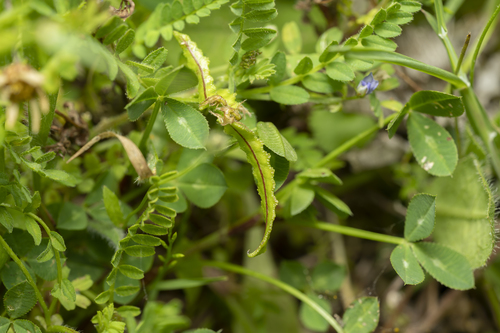
iNaturalist· cc-by-nc-sa
(c) Nuno Veríssimo P., some rights reserved (CC BY-NC-SA), uploaded by Nuno Veríssimo P.
Description
Lathyrus latifolius is a PERENNIAL CLIMBER growing to 2 m (6ft) by 2 m (6ft) at a fast rate. See above for USDA hardiness. It is hardy to UK zone 5 and is not frost tender. It is in flower from July to September, and the seeds ripen from August to October. The species is hermaphrodite (has both male and female organs) and is pollinated by Bees. It can fix Nitrogen. Suitable for: light (sandy), medium (loamy) and heavy (clay) soils. Suitable pH: mildly acid, neutral and basic (mildly alkaline) soils. It can grow in semi-shade (light woodland) or no shade. It prefers dry or moist soil and can tolerate drought.
Edible Uses
Seed - cooked. Some caution is advised, see the notes above on toxicity. Young seedpod - cooked. Young plant - cooked. Hank Shaw, author of Hunt, Gather, Cook: Finding the Forgotten Feast, notes that there is no documented evidence of humans being poisoned by wild peas. He concludes that eating small amounts of wild peas is generally safe, unless someone has an unpredictable allergy to them.
Known Hazards
Although no records of toxicity have been found for this plant, the seed of some species in this genus contain a toxic amino acid that can cause a severe disease of the nervous system known as 'lathyrism' if they are eaten in large amounts (although small quantities are said to be nutritious).
Distribution
S. Europe. Occasionally naturalized in Britain.
Where It Grows
EUROPE: Czechoslovakia (Czech Republic and Slovakia), Austria, Switzerland, Hungary, Poland, Moldova, Ukraine (incl. Krym), Former Yugoslavia, Albania, Bulgaria, Greece, Italy (incl. Sardinia, Sicily), Romania, Spain (incl. Baleares), France (incl. Corsica), Portugal, AFRICA: Algeria (north), Morocco, Tunisia.
Cultivation
An easily grown plant, succeeding in any moderately good garden soil, whether acid or alkaline. Prefers a position in full sun but tolerates part day shade. Succeeds in dry soils and is drought tolerant when established. Grows well on dry slopes. Plants can be grown in quite coarse grass, which can be cut annually in the autumn. Plants are hardy to at least -10°c. A very ornamental plant, there are many named varieties. It is fast-growing and, when in a suitable position, can become invasive. Plants climb by means of tendrils. Resents root disturbance and can take a year or two to settle down after being moved. This species has a symbiotic relationship with certain soil bacteria, these bacteria form nodules on the roots and fix atmospheric nitrogen. Some of this nitrogen is utilized by the growing plant but some can also be used by other plants growing nearby. Herbaceous. A suckering vine sending up suckers some distance main plant.
Propagation
Pre-soak the seed for 24 hours in warm water and then sow in early spring in a cold frame. When they are large enough to handle, prick the seedlings out into individual pots and plant them out in the summer. If you have sufficient seed, then it can also be sown in situ in mid spring. Division in spring. It may not transplant well so care should be taken.
Other Uses
Plants can be grown without supports when they will sprawl on the ground and can be used as a ground cover plant in a sunny position. They should be spaced about 1.5 metres apart each way. They are very vigorous and so are best not used with small plants. They also die down completely in the winter, giving weeds a chance to become established.