Juglans regia kamaonia - (Dode.)DC.
(Dode.)DC.
Walnut
No photos yet for Juglans regia kamaonia - (Dode.)DC.
Sign in to contribute a photoDescription
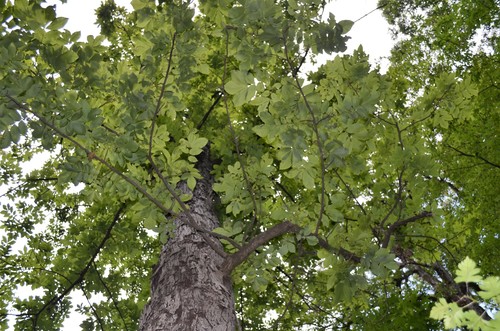
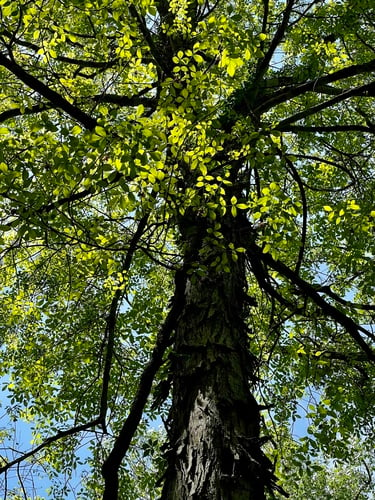
Juglans regia kamaonia is a deciduous Tree growing to 30 m (98ft 5in). See above for USDA hardiness. It is hardy to UK zone 5 and is not frost tender. It is in flower from May to June. The species is monoecious (individual flowers are either male or female, but both sexes can be found on the same plant) and is pollinated by Wind. The plant is self-fertile. Suitable for: light (sandy), medium (loamy) and heavy (clay) soils and prefers well-drained soil. Suitable pH: mildly acid, neutral and basic (mildly alkaline) soils. It cannot grow in the shade. It prefers moist soil.
Edible Uses
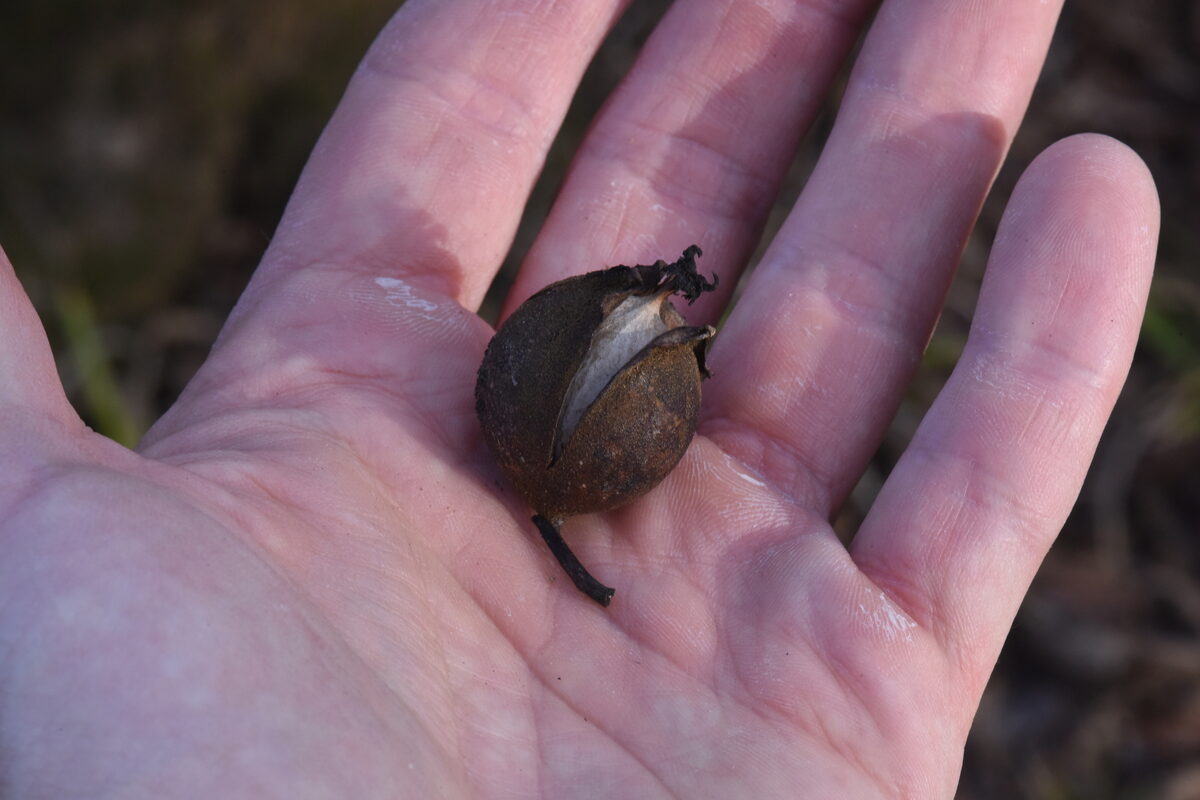
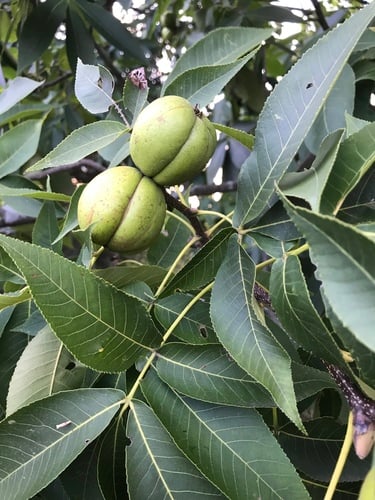
Oil. Seed - raw or cooked. An edible oil is obtained from the seed, it tends to go rancid quickly.
Medicinal Uses
Alterative Anthelmintic Antirheumatic Astringent Detergent Tonic. The bark, leaves and fruit are used medicinally. No more details are given in this report but another report on Indian medicinal plants gives the following uses for J. nigra (and almost certainly refers to this sub-species):- The bark is anthelmintic and detergent. The leaves are anthelmintic, astringent and tonic. A decoction is considered to be specific in the treatment of strumous sores. The fruit is alterative. It is used in the treatment of rheumatism.
Distribution
E. Asia - Himalayas from Kashmir to S.E. Tibet.
Where It Grows
Coming Soon
Cultivation
Requires a deep well-drained loam and a sunny position sheltered from strong winds. Prefers a slightly alkaline soil. The dormant plant is quite cold-tolerant, but the young growth in spring, however, can be damaged by late frosts. Plants produce a deep taproot and they are intolerant of root disturbance. Seedlings should be planted out into their permanent positions as soon as possible and given some protection since they are somewhat tender when young. Flower initiation depends upon suitable conditions in the previous summer. The flowers and young growths can be destroyed by even short periods down to -2°c, but fortunately plants are usually late coming into leaf. Any pruning should only be carried out in late summer to early autumn or when the plant is fully dormant otherwise wounds will bleed profusely and this will severely weaken the tree. Trees have a dense canopy which tends to reduce plant growth below them. We have no specific information for this species, but the roots of several members of this genus produce substances that are toxic to many plant species, especially apples (Malus species), members of the Ericaceae, Potentilla spp and the white pines (certain Pinus spp.). The leaves of many species also secrete substances that have an inhibitory affect on plants growing underneath them. All in all this is not a very good companion plant. This plant is cultivated for its edible seed in W. Himalayas. This species is notably susceptible to honey fungus.
Propagation
The seed is best sown as soon as it is ripe in individual deep pots in a cold frame. You need to protect it from mice, birds, squirrels etc. The seed usually germinates in late winter or the spring. Plant out the seedlings into their permanent positions in early summer and give some protection from the cold for their first winter or two. The seed can also be stored in cool moist conditions (such s the salad compartment of a fridge) over the winter and sown in early spring but it may then require a period of cold stratification before it will germinate.
Other Uses
Herbicide Oil Tannin Wood. The bark and the unripe rind of the fruit are good sources of tannin. Plants produce chemicals which can inhibit the growth of other plants. These chemicals are dissolved out of the leaves when it rains and are washed down to the ground below, reducing the growth of plants under the tree. The roots also produce substances that are toxic to many plant species, especially apples (Malus species), members of the Ericaceae, Potentilla spp and the white pines (certain Pinus spp.). Wood - hard, strongly grained, polishes well. Used for making furniture, carved work, veneers etc.