Hovenia dulcis
Thunb.
Japanese Raisin Tree
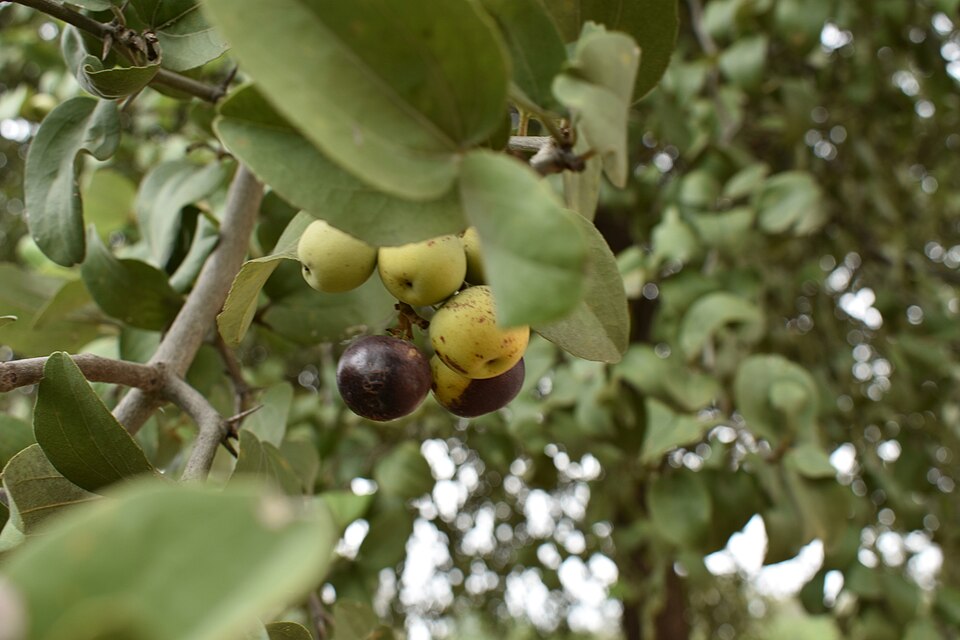
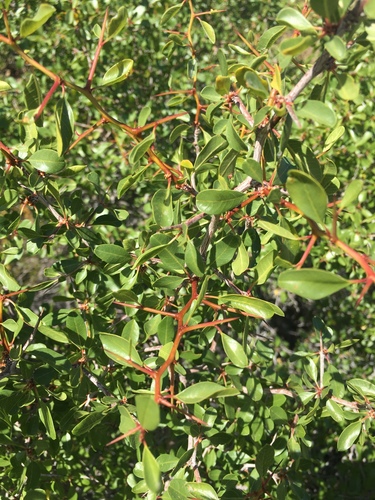
iNaturalist· cc-by-nc
(c) onidiras-iNaturalist, some rights reserved (CC BY-NC), uploaded by onidiras-iNaturalist
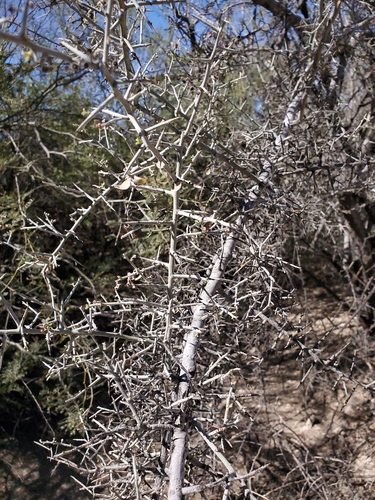
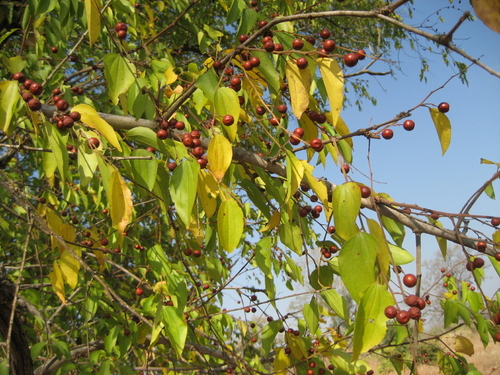
iNaturalist· cc-by-nc
(c) Robert D Stevenson, some rights reserved (CC BY-NC), uploaded by Robert D Stevenson
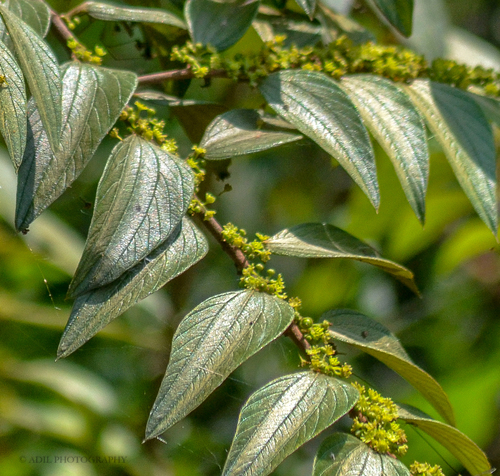
iNaturalist· cc-by-nc-nd
(c) Bahamut Chao, some rights reserved (CC BY-NC-ND)
Description
Hovenia dulcis is a deciduous Tree growing to 10 m (32ft) by 7 m (23ft). See above for USDA hardiness. It is hardy to UK zone 6 and is not frost tender. It is in flower in July, and the seeds ripen from September to October. The species is hermaphrodite (has both male and female organs). Suitable for: light (sandy) and medium (loamy) soils. Suitable pH: mildly acid, neutral and basic (mildly alkaline) soils. It cannot grow in the shade. It prefers moist soil.
Edible Uses
Sweetener. Fruit - raw or cooked. They can be dried when they have the sweet flavour and texture of raisins and can be used similarly. The fruit is sweet and fragrant with a pear-like flavour. Dry and sub-acid. It is not a true fruit but a swollen receptacle. The fruit is up to 3cm long, it contains 11.4% glucose, 4.7% fructose and 12.6% sucrose. A sweet extract of the seed, boughs and young leaves is used as a substitute for honey. The seed contains 15% protein and 7.8% fat.
Medicinal Uses
Antispasmodic Febrifuge Laxative. Antispasmodic, febrifuge, laxative. The fruit is antispasmodic, febrifuge, laxative and diuretic. The seeds are diuretic and are used in the treatment of alcohol overdose. The seeds are used to relieve intoxication due to wine. The stem bark is used in the treatment of rectal diseases.
Distribution
E. Asia - China to the Himalayas.
Where It Grows
TEMPERATE ASIA: Anhui Sheng, Gansu Sheng, Hebei Sheng, Henan Sheng, Hokkaidô (Okushiri Island), Honshu, Hubei Sheng (west), Japan, Jiangsu Sheng, Jiangxi Sheng, Korea, Kyushu, Shaanxi Sheng, Shandong Sheng, Shanxi Sheng, Shikoku, Sichuan Sheng (north),China.
Cultivation
Grows well in a fertile sandy loam in a sunny position. Although the dormant plant is hardy to at least -15°c in Britain, it really prefers a continental climate to fully ripen its wood, it is then hardy to about -25°c. The shoot tips are sometimes damaged by winter frosts in Britain and the young growth in spring can also be damaged by late frosts. The Japanese raisin tree is said to grow well in Cornwall, though our experience of this plant so far (1995) is that it is very difficult to establish. Perhaps older plants are as hardy as the reports above suggest, but younger plants are quite tender and often die in their first few winters outdoors. The Japanese raisin tree is cultivated for its edible fruit in Japan. The small white flowers are scented and are produced in terminal cymes.
Propagation
Seed - germinates freely if sown as soon as it is ripe in a cold frame. Stored seed should be scarified and sown in early spring, it may not germinate for a year. Prick out the seedlings into individual pots when large enough to handle and grow on for at least their first winter in a greenhouse. Plant out in late spring after the last expected frosts and give some winter protection for their first couple of years outdoors. Cuttings of half-ripe wood, July/August in a frame. Cuttings of mature wood, late autumn in a frame.
Other Uses
Wood. The wood is hard and fine grained. It is good for making furniture.