Ziziphus pubescens
Oliv.
Small jujube
iNaturalist· cc-by-sa
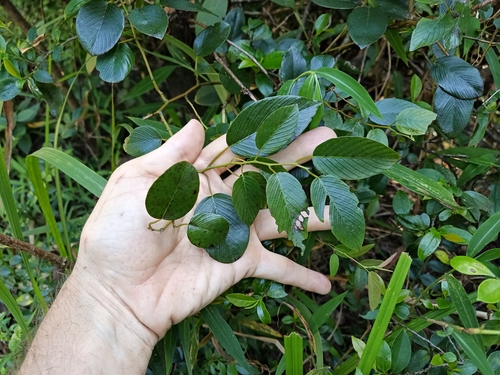
(c) Ton Rulkens, some rights reserved (CC BY-SA)
iNaturalist· cc-by-nc
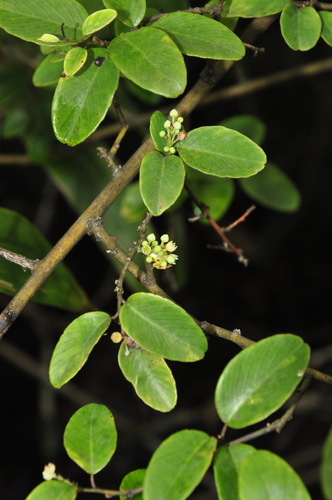
(c) Bart Wursten, some rights reserved (CC BY-NC)
Description
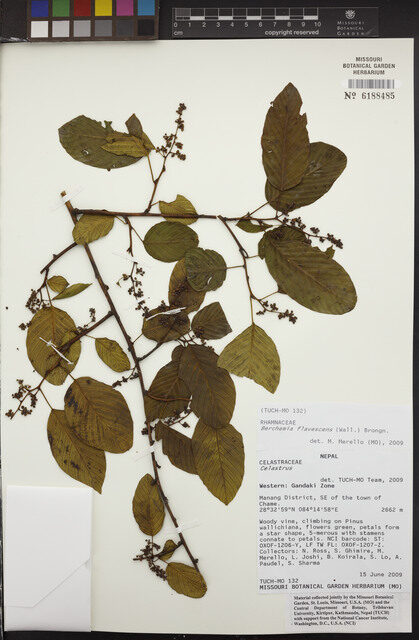
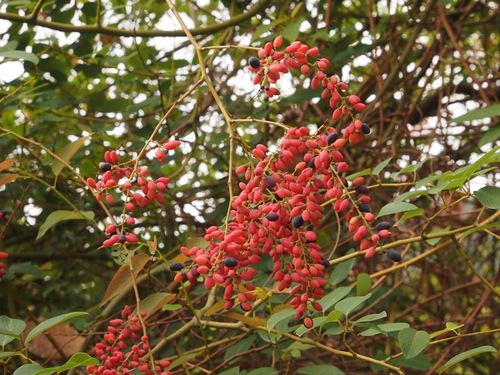
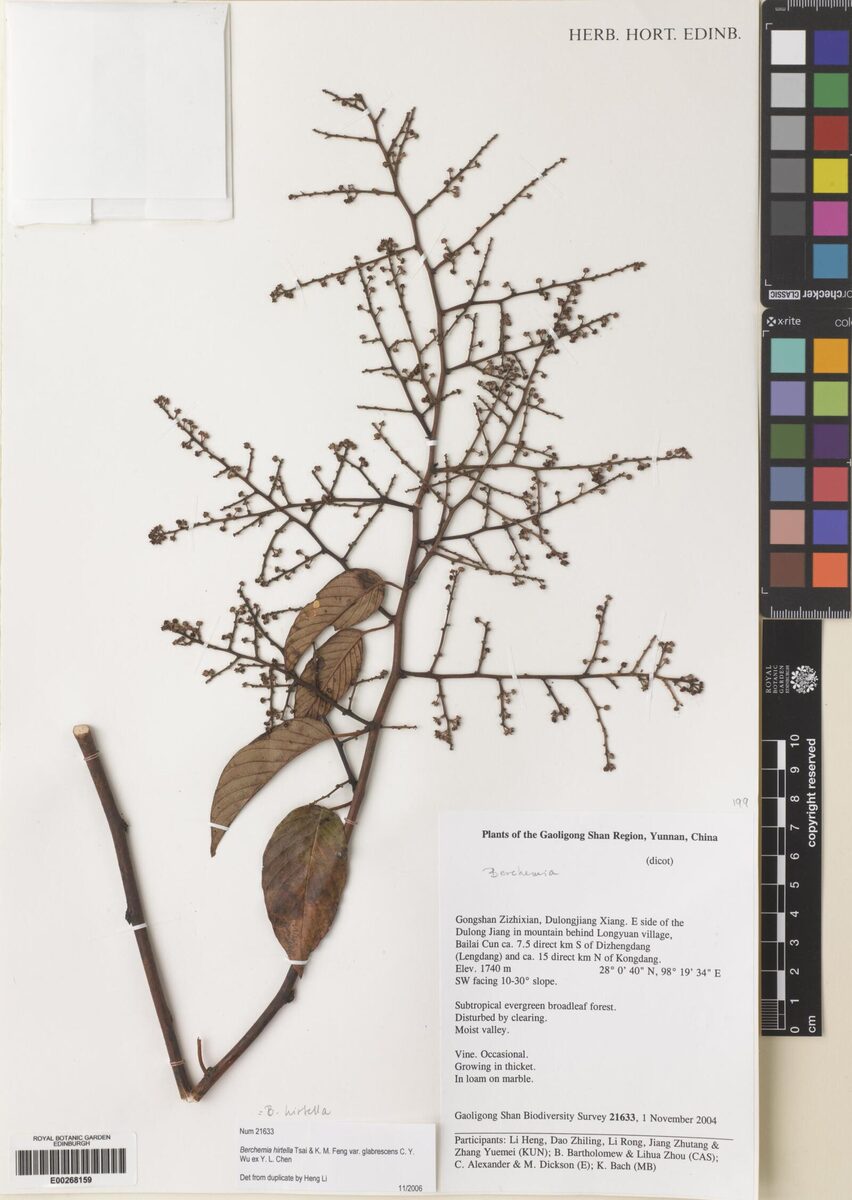
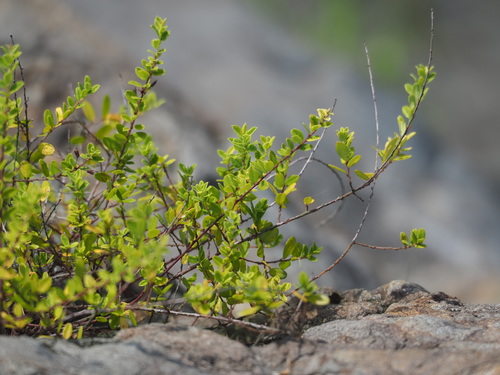
A large shrub or small tree. It grows to 7 m high. The young branches often have short hairs. The leaves are oval and 8 cm long by 4 cm wide. There are 3 veins from the base. The leaves are dark green and have greyish hairs underneath. The edges of the leaves have fine teeth. The flowers are yellow and small. They occur in dense heads in the axils of leaves. The fruit is oval and 10 mm long by 8 mm wide. They are reddish-brown when mature.
Edible Uses
The ripe fruit are eaten fresh.
Traditional Uses
The ripe fruit are eaten.
This uses section is brief — help expand it
Distribution
A tropical plant. It grows in coastal forest and low altitude forests along rivers. It can grow in the dry lowlands. It grows in Miombo woodland in Africa. It grows up to 500 m above sea level.
Where It Grows
Africa, Central Africa, Congo, East Africa, Kenya, Malawi, Mozambique, Southern Africa, Sudan, Tanzania, Uganda, Zambia, Zimbabwe,
Cultivation
Plants can be grown from seed.
Notes
This is an unresolved name in The Plant List.
Synonyms
Also Known As
Kagowole, Mgugunu, Mkone, Mnyangwe, Mugogodera, Tshetshene
References (9)
- Dale, I. R. and Greenway, P. J., 1961, Kenya Trees and Shrubs. Nairobi. p 395
- Jardin, C., 1970, List of Foods Used In Africa, FAO Nutrition Information Document Series No 2.p 169
- Lovett, J. C. et al, Field Guide to the Moist Forest Trees of Tanzania. p 125
- Mutie, F. G., 2020, Conservation of Wild Food Plants and Their Potential for Combatting Food Insecurity in Kenya as Exemplified by the Drylands of Kitui County. Plants 2020, 9, 1017
- Mutie, F. M., et al, 2023, Important Medicinal and Food Taxa (Orders and Families) in Kenya, Based on Three Quantitative Approaches. Plants 2023, 12, 1145
Show all 9 references Hide references
- Pakia, M., 2000, Plant Ecology and Ethnobotany of two sacred forests (Kayas) at the Kenya Coast. M. Sc. Thesis.
- Palgrave, K.C., 1996, Trees of Southern Africa. Struik Publishers. p 551
- Peters, C. R., O'Brien, E. M., and Drummond, R.B., 1992, Edible Wild plants of Sub-saharan Africa. Kew. p 167
- World Checklist of Useful Plant Species 2020. Royal Botanic Gardens, Kew