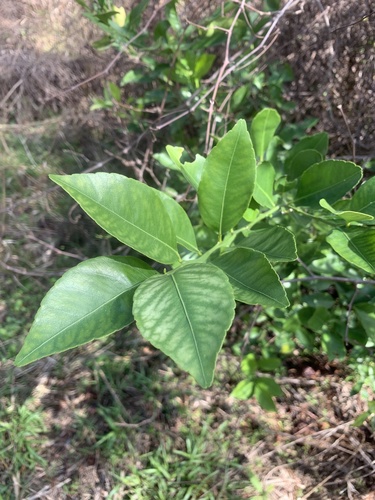
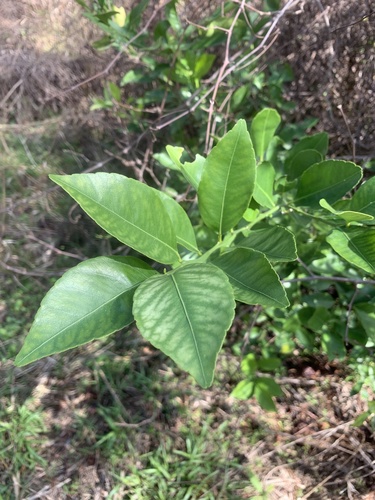
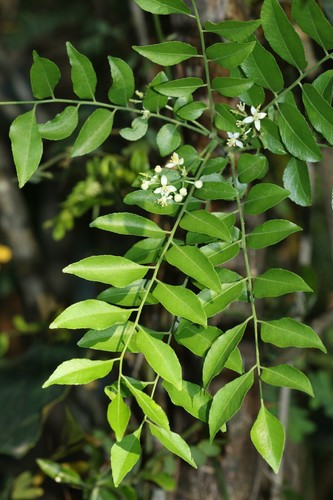
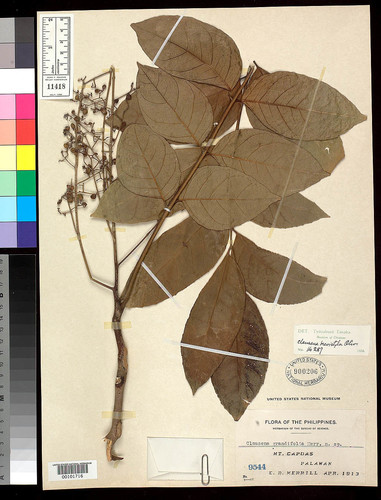
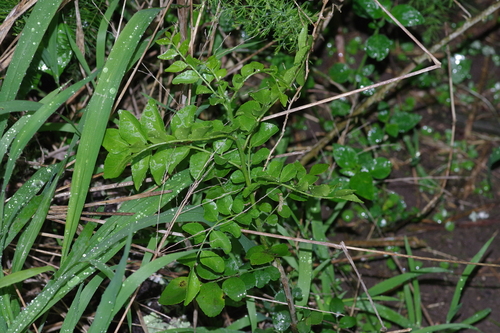
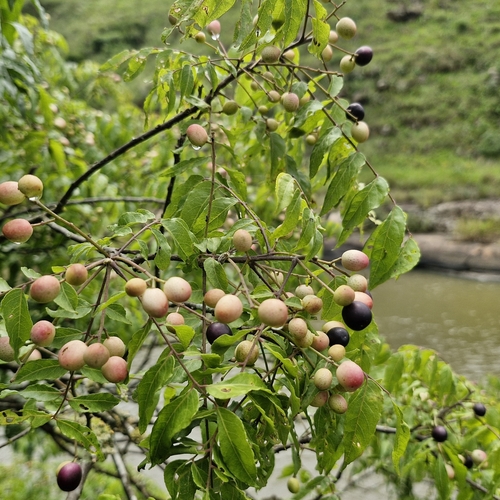
Fortunella margarita - (Lour.)Swingle.
(Lour.)Swingle.
Oval Kumquat
gbif· cc-by
GBIF
gbif· cc-by
GBIF
gbif· cc-by
GBIF
Description
Fortunella margarita is an evergreen Shrub growing to 3 m (9ft 10in) at a slow rate. See above for USDA hardiness. It is hardy to UK zone 8 and is frost tender. The species is hermaphrodite (has both male and female organs). The plant is self-fertile. It is noted for attracting wildlife. Suitable for: light (sandy), medium (loamy) and heavy (clay) soils and prefers well-drained soil. Suitable pH: mildly acid, neutral and basic (mildly alkaline) soils. It cannot grow in the shade. It prefers moist soil.
Edible Uses
Pectin. Fruit - raw or cooked. They can also be used in jellies, preserves etc or as a flavouring. The whole fruit, rind as well, is eaten raw. It is best to first squeeze and massage the fruit in order to combine the flavours of the flesh and the rind. After ripening the fruit gradually loses water content, becomes richer in flavour and is then at its best for making preserves. The fruit is up to 4cm in diameter. The fruit is rich in pectin, the inner peel containing about 10%.
Distribution
E. Asia - S. China.
Where It Grows
TEMPERATE ASIA: China (Guangdong Sheng, Zhejiang Sheng), Hong Kong
Cultivation
Prefers a moderately heavy loam with a generous amount of compost and sand added and a very sunny position. Prefers a pH of 5 to 6. Plants are intolerant of water logging. This species is not hardy in the colder areas of the country, when dormant it tolerates temperatures down to between -5 and -10°c. The young growth in spring, even on mature plants, is frost-tender and so it is best to grow the plants in a position sheltered from the early morning sun. Kumquats are sometimes cultivated in China for their edible fruit, there are some named varieties. They are hardier than the various Citrus species since they cease growth when temperatures drop below 13°c but, for best results, they are best grown in a climate where temperatures do not fall lower than between 4 and 10°c. This is because the fruit is sweeter when it ripens in warm conditions. kumquats are generally self-fertile. Kumquats are typically harvested in late winter to early spring. Kumquat trees usually flower in the spring. Kumquat trees are slow to moderate growers. They reach maturity in about 3 to 5 years and typically reach a height of 1.5 to 2.5 meters (5 to 8 feet).
Propagation
Seed - best sown as soon as it is ripe in a warm airy position in a greenhouse. When they are large enough to handle, prick out the seedlings into individual pots and grow them on in a greenhouse for at least their first two winters. Plant out in late spring or early summer after the last expected frosts and give some winter protection from the cold for a year or two.
Other Uses
Pectin Agroforestry uses: Kumquats can be used as a hedge or ornamental plant. They are also beneficial in permaculture systems as they attract pollinators and provide fruit.