Agave sisalana
Perrine
Sisal, Hemp
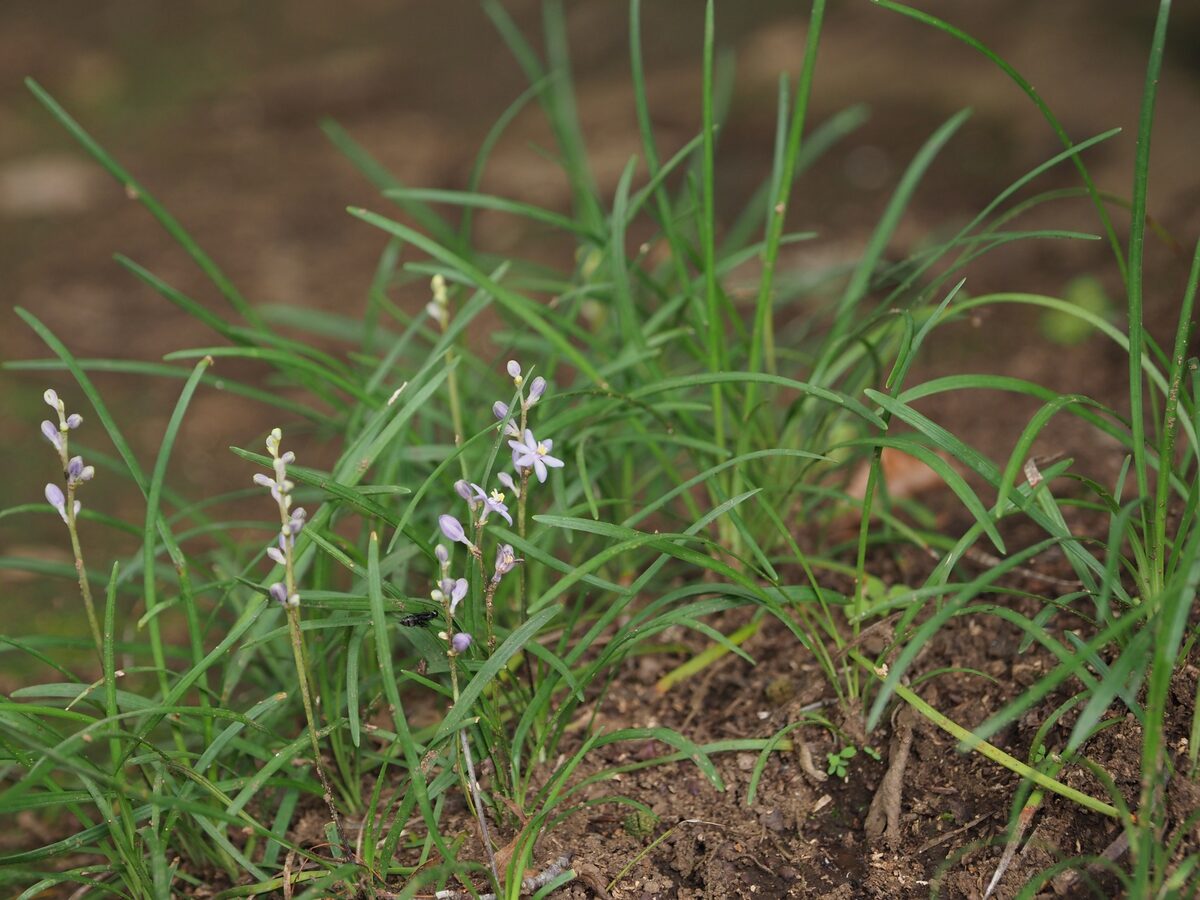
iNaturalist· cc-by-nc
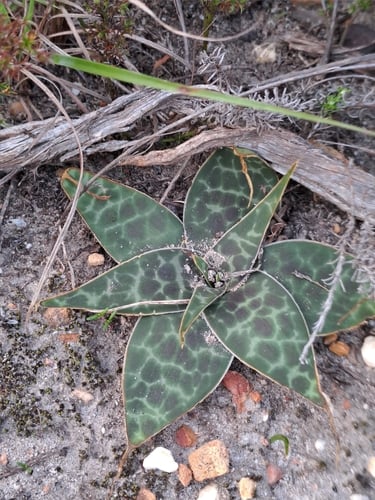
(c) subhashc, some rights reserved (CC BY-NC)
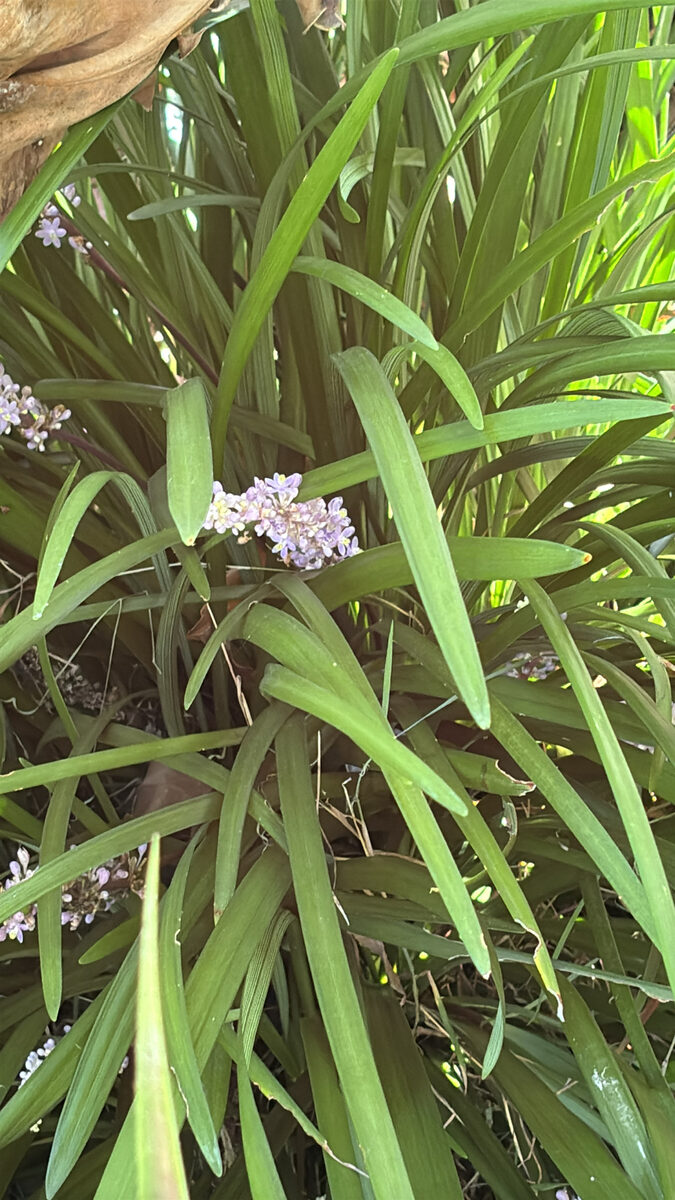
iNaturalist· cc-by-nc
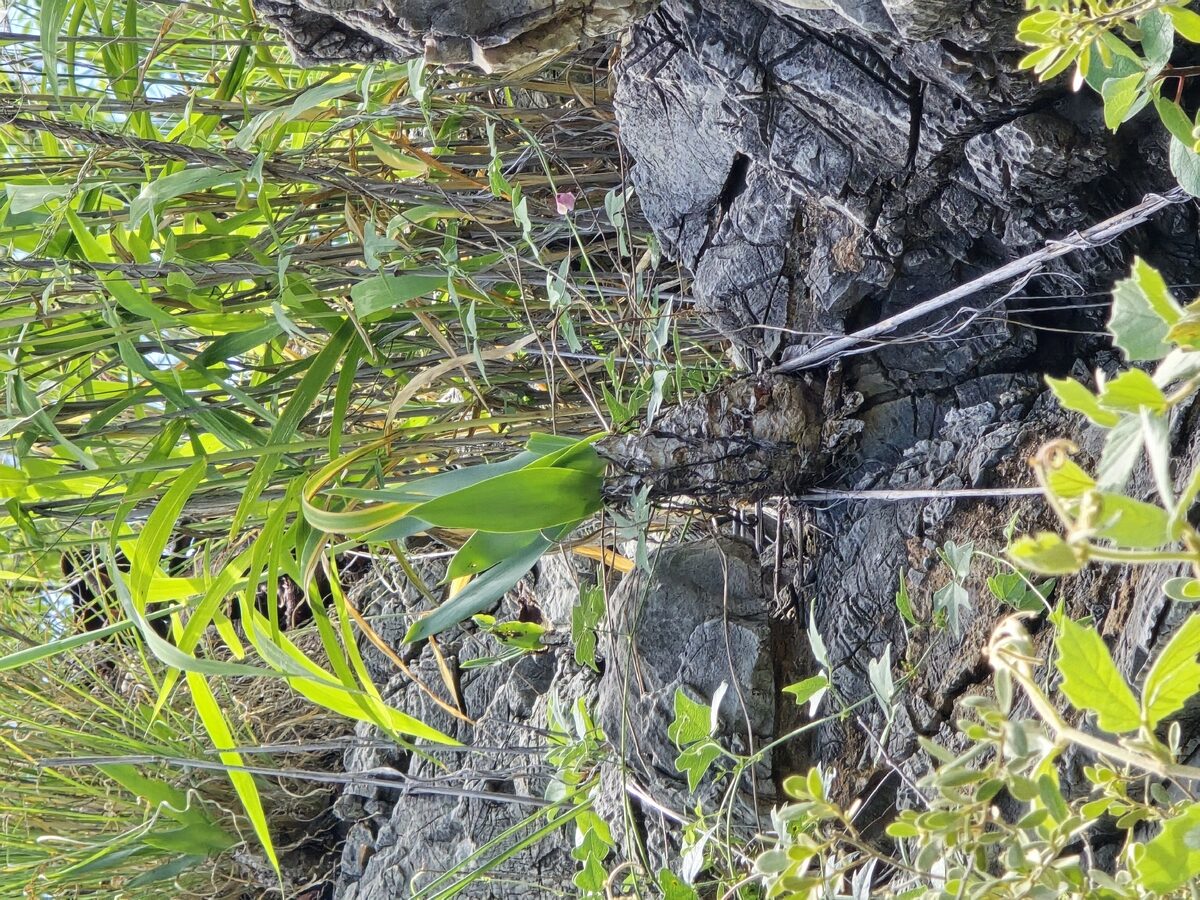
(c) kmcmillan19, some rights reserved (CC BY-NC)
iNaturalist· cc-by-nc
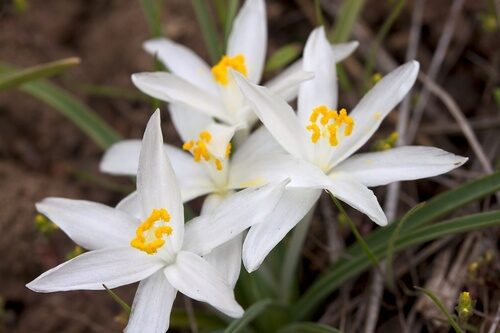
(c) Ivelisse Irizarry, some rights reserved (CC BY-NC), uploaded by Ivelisse Irizarry
Summary
Source: WikipediaAgave sisalana is a fast-growing evergreen perennial reaching 2 m tall and wide. Hardy to UK zone 10 but frost-tender. Self-fertile and able to grow in semi-shade (light woodland) or full sun. Adapts to light sandy, medium loamy, or heavy clay well-drained soils with poor fertility tolerated. Suitable for mildly acidic, neutral, or mildly alkaline pH. Handles dry or moist conditions and tolerates drought.
Description
A woody herb. It grows for several years. The leaves come out in spirals and have spines. The leaves occur near ground level. The leaves are sword shaped and 2 m long. The leaves end in a sharp dark brown tip. The plant flowers at maturity. The flowers occur in a stem which can be 6-8 m tall. The flowers are small and green to yellow. The fruit is a dry capsule which contains seed. Few seed will grow. Some flower buds become thick and develop into bulbils. These can be planted and will grow. Suckers are produced at the base of the leaves.
Edible Uses
The heart of new shoots is edible when cooked. Sap from the flower stalk is fermented to make an alcoholic drink. The roots are used in the production of an alcoholic beverage.
Traditional Uses
The sweet sap is used to make beer. The heart of the new shoots is eaten. The flower stalk can be boiled or roasted.
This uses section is brief — help expand it
Medicinal Uses
Sisal is a folk remedy for dysentery, leprosy sores, and syphilis. The leaves contain hecogenin, which is used in the partial synthesis of the drug cortisone, and the plant is a recognised source of hecogenin.
Known Hazards
Sisal plants, Agave sisalana, consist of a rosette of sword-shaped leaves about 1.5-2 metres (4.9-6.6 ft) tall. Young leaves may have a few minute teeth along their margins, but lose them as they mature. The sisal plant has a 7-10 year life-span and typically produces 200-250 commercially usable leaves. Each leaf contains an average of around 1000 fibres. The fibres account for only about 4% of the plant by weight. Sisal is considered a plant of the tropics and subtropics, since production benefits from temperatures above 25 degrees Celsius and sunshine.
Distribution
A tropical plant. It suits tropical and subtropical places. It grows on a wide range of soils. It can withstand waterlogging and can tolerate drought. It suits hardiness zones 9-11. It does best in gritty, well drained soils and in full sun. It can grow in light shade. It is sensitive to cold. It can grow in arid places.
Where It Grows
Africa, Angola, Anguilla, Asia, Australia, Belize, Benin, Botswana, Burkina Faso, Cayman Islands, Central Africa, Central America, China, East Africa, East Timor, El Salvador, Eswatini, Fiji, Grenada, Guatemala, Haiti, Hawaii, Honduras, India, Indochina, Indonesia, Kenya, Kiribati, Madagascar, Malawi, Malaysia, Marshall Islands, Mediterranean, Mexico*, Micronesia, Mozambique, Myanmar, North America, Pacific, Pan tropical, Papua New Guinea, PNG, Rwanda, Sao Tome and Principe, SE Asia, South Africa, Southern Africa, South America, St Helena, Swaziland, Tanzania, Timor-Leste, Uganda, USA, Venezuela, West Indies, Zambia, Zimbabwe,
Cultivation
It grows best in areas where annual daytime temperatures are within the range 15 - 27c, but can tolerate 10 - 45c. It can be killed by temperatures of -5c or lower. It prefers a mean annual rainfall in the range 900 - 1,250mm, but tolerates 500 - 1,800mm. Requires a sunny position in a well-drained soil. Prefers a pH in the range 6 - 7.5, tolerating 5.5 - 8. The plant has escaped from cultivation in many of the areas in which it is cultivated and has become invasive in some areas including several of the Pacific Islands and Australia. Harvesting the leaves for fibre can begin 2 - 4 years after planting, depending on temperature, and usually continues for about 10, occasionally up to 20, years before the plant flowers and dies. The average yield is about 0.9 tonnes/ha of dried fibres. On the best plantations in East Africa, yearly yields of 2.0 - 2.5 tonnes/ha of dried fibres are obtained. A monocarpic species - the plant lives for several years without flowering but dies once it does flower. However, it normally produces plenty of suckers during its life and these continue growing, taking about 10 - 15 years in a warm climate, considerably longer in colder ones, before flowering. The roots rarely go deeper than about 35cm. One ton of fibre removes about 30 kg N, 5 kg P, 80 kg K, 65 kg Ca and 40 kg Mg from the field. Because the fibres contain few minerals, most of the nutrients can be returned to the land with the pulp. The main harvest of the agave hearts (piñas) occurs after about 7 to 10 years, typically in late winter to early spring, depending on the climate and growing conditions. Agave usually flowers once it reaches maturity, which can be after 7 to 10 years. The flowering period generally occurs from late spring to summer.
Propagation
Plants are normally grown from suckers or from bulbils on the flower stalk. Very few seeds will grow. Seed can be collected by allowing pods to dry on the plant before breaking them open. Propagation is also possible by dividing offsets. The whole plant dies after flowering, which normally occurs after 7 years.
Other Uses
The plant is cultivated for use as fencing and for protection against soil erosion. Short fibres from the leaves, obtained as by-products, are used for production of compost. The leaves yield one of the most important hard fibres commercially, used for making ropes, strings of all kinds, fishing nets, hammocks, door curtains, floor covers, and bags. The fibre cannot be spun as finely as jute and ropes tend to break suddenly. Short fibres are also used to produce cellulose, paper, and upholstery material, and to reinforce plaster boards and paper. Waste material remaining after fibre extraction is reported to be molluscicidal and fungistatic and can be used as mulch. The sharp leaf spines are traditionally used as needles. The flowers are rich in nectar and pollen, attracting pollinators including bees and butterflies.
Production
The plant is fast growing.
Other Information
It is not known if it is used for food in Papua New Guinea.
Notes
There are about 250 Agave species. The Agavaceae are mostly in the tropics and subtropics.
Synonyms
Also Known As
Agave sisal, Khonje, Lafa, Mkonge, Na-nat-shaw, Shikwenga, Te robu, Umugweegwe, Yaxci
References (35)
- Ambasta S.P. (Ed.), 2000, The Useful Plants of India. CSIR India. p 20
- Bircher, A. G. & Bircher, W. H., 2000, Encyclopedia of Fruit Trees and Edible Flowering Plants in Egypt and the Subtropics. AUC Press. p 13
- Blamey, M and Grey-Wilson, C., 2005, Wild flowers of the Mediterranean. A & C Black London. p 488
- Borrell, O.W., 1989, An Annotated Checklist of the Flora of Kairiru Island, New Guinea. Marcellin College, Victoria Australia. p 13
- Bunderson, W. T. et al, 2002, Common Agroforestry Species in Malawi. Malawi Agroforestry Extension Project, Pubication No. 46, Lilongwe. p 2
Show all 35 references Hide references
- Cobley, L.S. (rev. Steele, W.M.) 2nd Ed., 1976, An Introduction to the Botany of Tropical Crops. Longmans. p 280
- Cowie, I, 2006, A Survey of Flora and vegetation of the proposed Jaco-Tutuala-Lore National Park. Timor-Lests (East Timor) www.territorystories.nt/gov.au p 42
- Cundall, P., (ed.), 2004, Gardening Australia: flora: the gardener's bible. ABC Books. p 116
- Facciola, S., 1998, Cornucopia 2: a Source Book of Edible Plants. Kampong Publications. p 3
- Fowler, D. G., 2007, Zambian Plants: Their Vernacular Names and Uses. Kew. p 67
- Franklin, J., Keppel, G., & Whistler, W., 2008, The vegetation and flora of Lakeba, Nayau and Aiwa Islands, Central Lau Group, Fiji. Micronesica 40(1/2): 169–225, 2008
- Hani Medicine of Xishuangbanna, 1999, p 763
- Henty, E.E., 1980, Harmful Plants in Papua New Guinea. Botany Bulletin No 12. Division Botany, Lae, Papua New Guinea. p 12
- Katende, A.B., Birnie, A & Tengnas B., 1995, Useful Trees and Shrubs for Uganda. Identification, Propagation and Management for Agricultural and Pastoral Communities. Technical handbook No 10. Regional Soil Conservation Unit, Nairobi, Kenya. p 70
- Lazarides, M. & Hince, B., 1993, Handbook of Economic Plants of Australia, CSIRO. p 10
- Llamas, K.A., 2003, Tropical Flowering Plants. Timber Press. p 46
- Marinelli, J. (Ed), 2004, Plant. DK. p 331
- Martin, F.W. & Ruberte, R.M., 1979, Edible Leaves of the Tropics. Antillian College Press, Mayaguez, Puerto Rico. p 174
- Mbuya, L.P., Msanga, H.P., Ruffo, C.K., Birnie, A & Tengnas, B., 1994, Useful Trees and Shrubs for Tanzania. Regional Soil Conservation Unit. Technical Handbook No 6. p 84
- Paczkowska, G. & Chapman, A.R., 2000, The Western Australian Flora. A Descriptive Catalogue. Western Australian Herbarium. p 29
- Purseglove, J.W., 1972, Tropical Crops. Monocotyledons. Longmans p 14
- Royal Botanic Gardens, Kew (1999). Survey of Economic Plants for Arid and Semi-Arid Lands (SEPASAL) database. Published on the Internet; http://www.rbgkew.org.uk/ceb/sepasal/internet [Accessed 24th March 2011]
- Salako, V. K. et al, 2013, Home gardens: an assessment of their biodiversity and potential contribution to conservation of threatened species and crop wild relatives in Benin. Genet Resour Crop Evol
- Siemonsma, J. S. & Kasem Piluek, eds. 1993. Vegetables. In: Plant Resources of South-East Asia (PROSEA) 8:311
- Smith, A.C., 1979, Flora Vitiensis Nova, Lawaii, Kuai, Hawaii, Volume 1 p 154
- Staples, G.W. and Herbst, D.R., 2005, A tropical Garden Flora. Bishop Museum Press, Honolulu, Hawaii. p 580
- Sukarya, D. G., (Ed.) 2013, 3,500 Plant Species of the Botanic Gardens of Indonesia. LIPI p 999
- Swaziland's Flora Database http://www.sntc.org.sz/flora
- Terra, G.J.A., 1973, Tropical Vegetables. Communication 54e Royal Tropical Institute, Amsterdam, p 19
- Thaman, R. R., 1987, Plants of Kiribati: A listing and analysis of vernacular names. Atoll Research Bulletin No. 296
- U.S. Congr. 25, Sess. 2, House of Represent. Rep. 564:(8,9,16,47,60,86 )87. 8 Mar 1838 (Senate Rep. 300:36, 105, t. 1, 2, 4. 12 Mar 1838)
- Vander Velde, N, 2003, The Vascular Plants of Majuro Atoll, Republic of the Marshall Islands. Atoll research Bulletin. No. 503. Smithsonian Institute. p 16
- Vickery, M.L. and Vickery, B., 1979, Plant Products of Tropical Africa, Macmillan. p 74, 95
- Wienk, J.F. and S’chendellaan, A.,van, Sisal and relatives, in Simmonds, N.W., (Ed.), 1979, Evolution of Crop Plants. Longman. p 1
- Williamson, J., 2005, Useful Plants of Malawi. 3rd. Edition. Mdadzi Book Trust. p 17