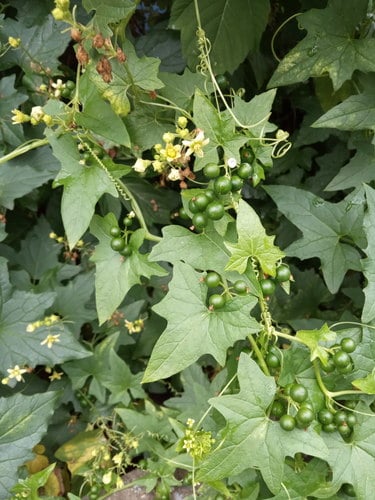
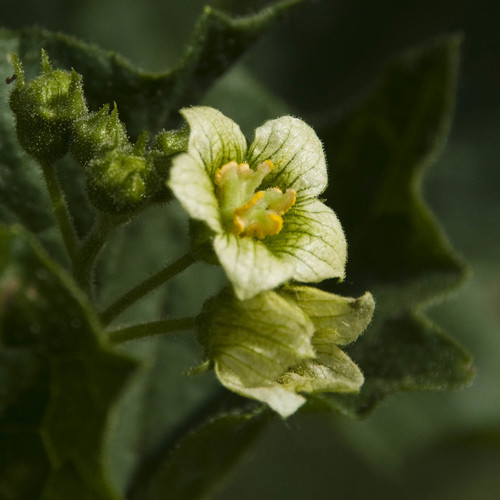
Cucumis melo chito - (C.Morren.)Naudin.
(C.Morren.)Naudin.
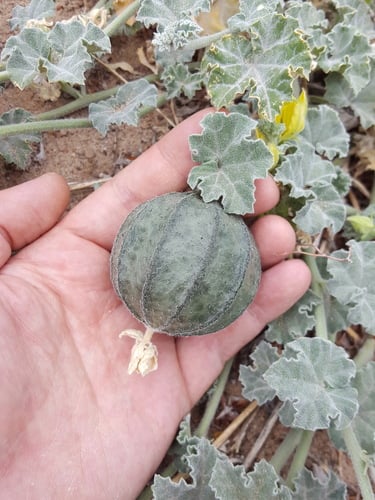
Orange Melon
gbif· cc0
Conveyor Belt
gbif· cc-by-nc
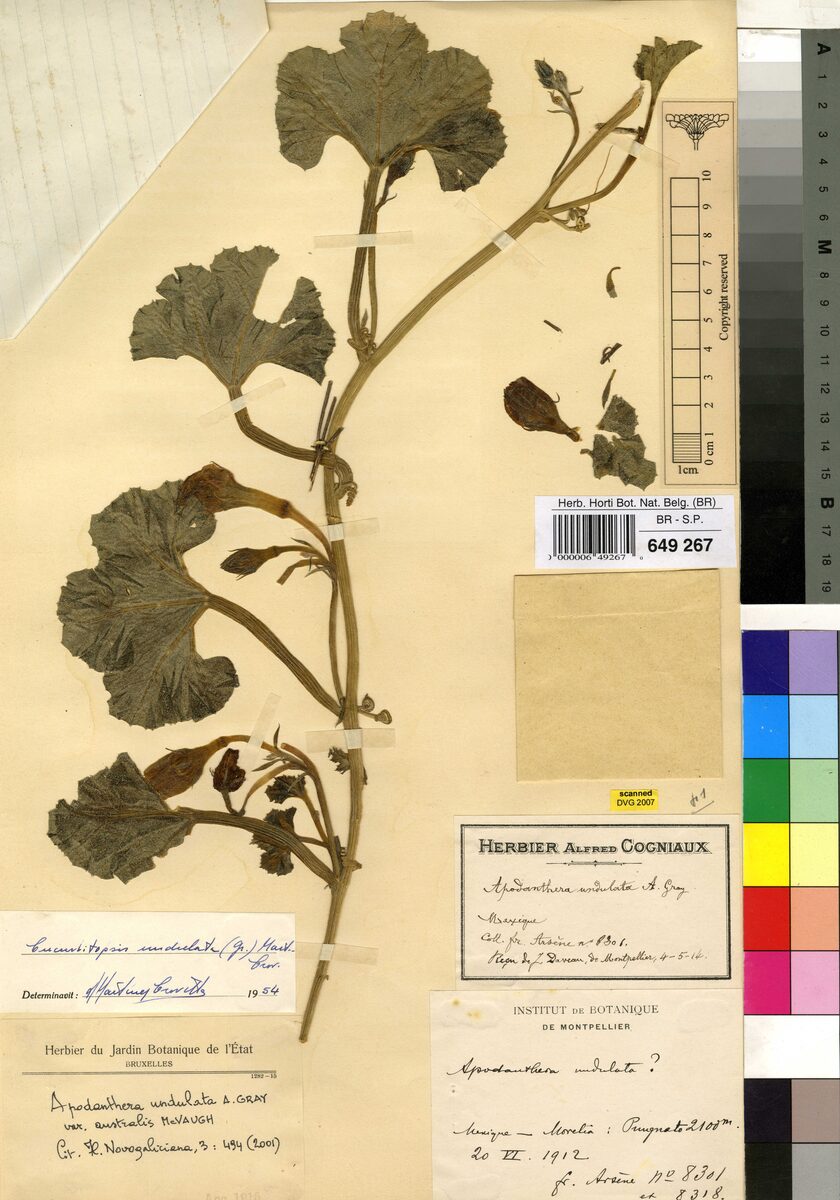
President and Fellows of Harvard College
gbif· cc0
Conveyor Belt
Description
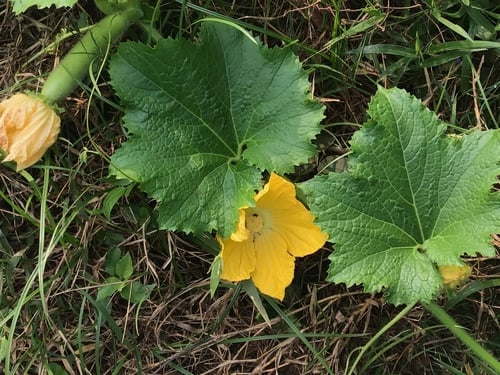
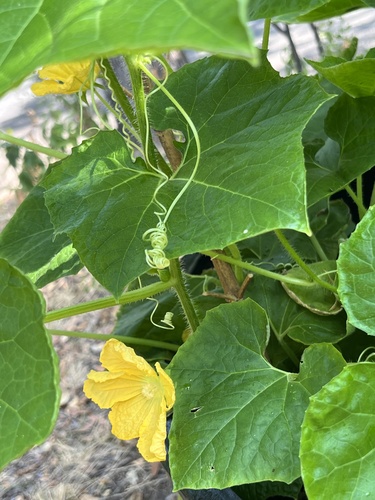
Cucumis melo chito is a ANNUAL CLIMBER growing to 1.5 m (5ft). See above for USDA hardiness. It is hardy to UK zone 10 and is frost tender. It is in flower from July to September, and the seeds ripen from August to October. The species is monoecious (individual flowers are either male or female, but both sexes can be found on the same plant) and is pollinated by Insects. The plant is self-fertile. Suitable for: light (sandy), medium (loamy) and heavy (clay) soils and prefers well-drained soil. Suitable pH: mildly acid, neutral and basic (mildly alkaline) soils. It cannot grow in the shade. It prefers moist soil.
Edible Uses
Oil. Fruit - raw or cooked. About the size of an orange, it is yellow or greeny-yellow when ripe with a thin leathery skin. Whilst it can be peeled and eaten raw, it is more often made into pies, preserves, marmalades etc. Unripe fruits are sometimes pickled whole. Seed - raw. Rich in oil with a nutty flavour but very fiddly to use because the seed is small and covered with a fibrous coat. The seed contains between 12.5 - 39.1% oil. An edible oil is obtained from the seed.
Medicinal Uses
The fruits can be used as a cooling light cleanser or moisturiser for the skin. They are also used as a first aid treatment for burns and abrasions. The flowers are expectorant and emetic. The fruit is stomachic. The seed is antitussive, digestive, febrifuge and vermifuge. When used as a vermifuge, the whole seed complete with the seed coat is ground into a fine flour, then made into an emulsion with water and eaten. It is then necessary to take a purge in order to expel the tapeworms or other parasites from the body. The root is diuretic and emetic.
Known Hazards
The sprouting seed produces a toxic substance in its embryo.
Distribution
Probably native of Asia, though it has been in cultivation for so long its native habitat is obscure
Where It Grows
Coming Soon
Cultivation
Requires a rich, well-drained moisture retentive soil and a warm, very sunny position. A frost-tender annual plant, the orange melon is sometimes cultivated in gardens and commercially, especially in warmer climates than Britain, for its edible fruit. Some varieties may succeed outdoors in Britain in hot summers but in general it is best to grow melons under protection in this country. Grows well with corn and sunflowers but dislikes potatoes. The weeds fat hen and sow thistle improve the growth and cropping of melons.
Propagation
Seed - sow early to mid spring in a greenhouse in a rich soil. Germination should take place within 2 weeks. Sow 2 or 3 seeds per pot and thin out to the best plant. Grow them on fast and plant out after the last expected frosts, giving them cloche or frame protection for at least their first few weeks if you are trying them outdoors.
Other Uses
Oil. None known