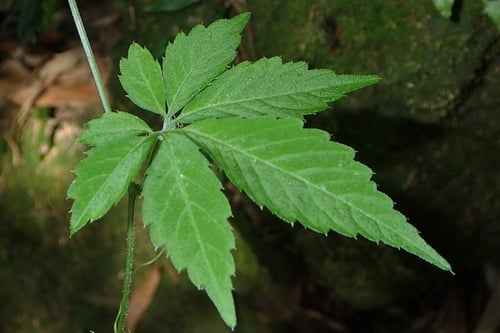
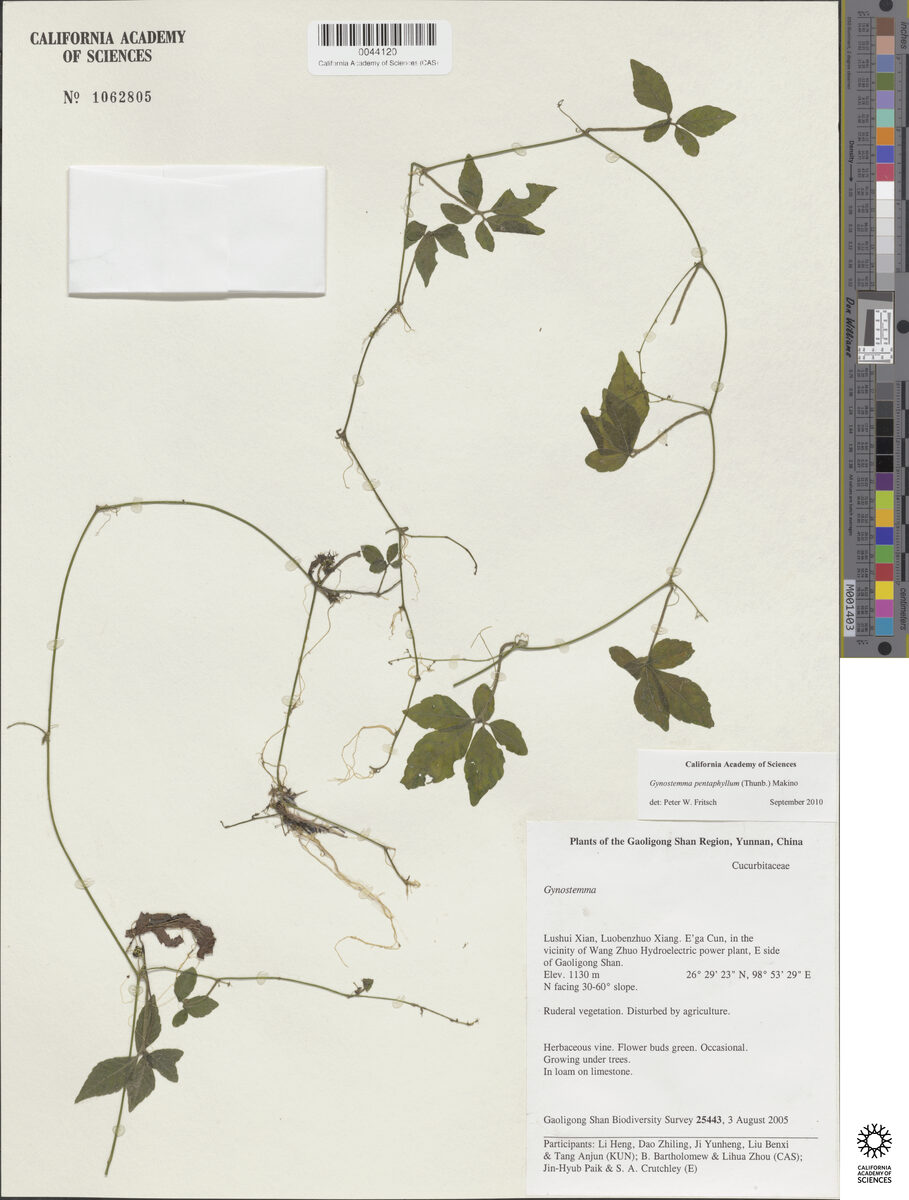
Benincasa hispida var. chieh-qua
(Thunb.) Cogn., How
Chi qua, Hairy melon, Fuzzy gourd
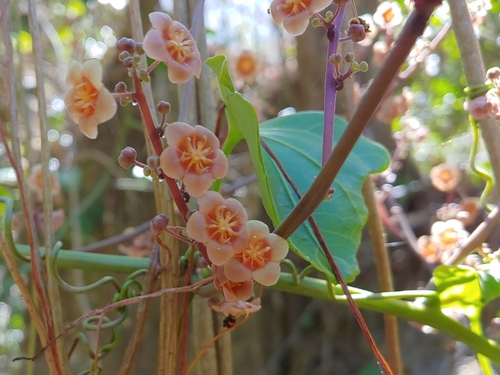
iNaturalist· cc-by-nc
(c) leg9, some rights reserved (CC BY-NC)
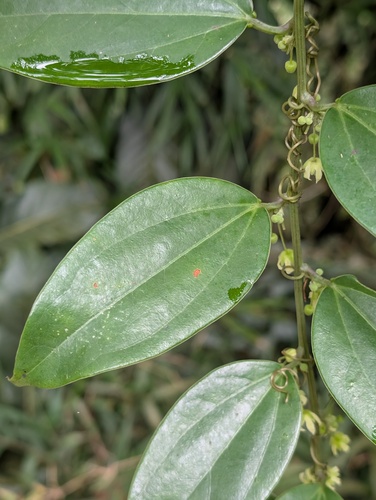
iNaturalist· cc-by
(c) Swarochi Tathagath, some rights reserved (CC BY), uploaded by Swarochi Tathagath
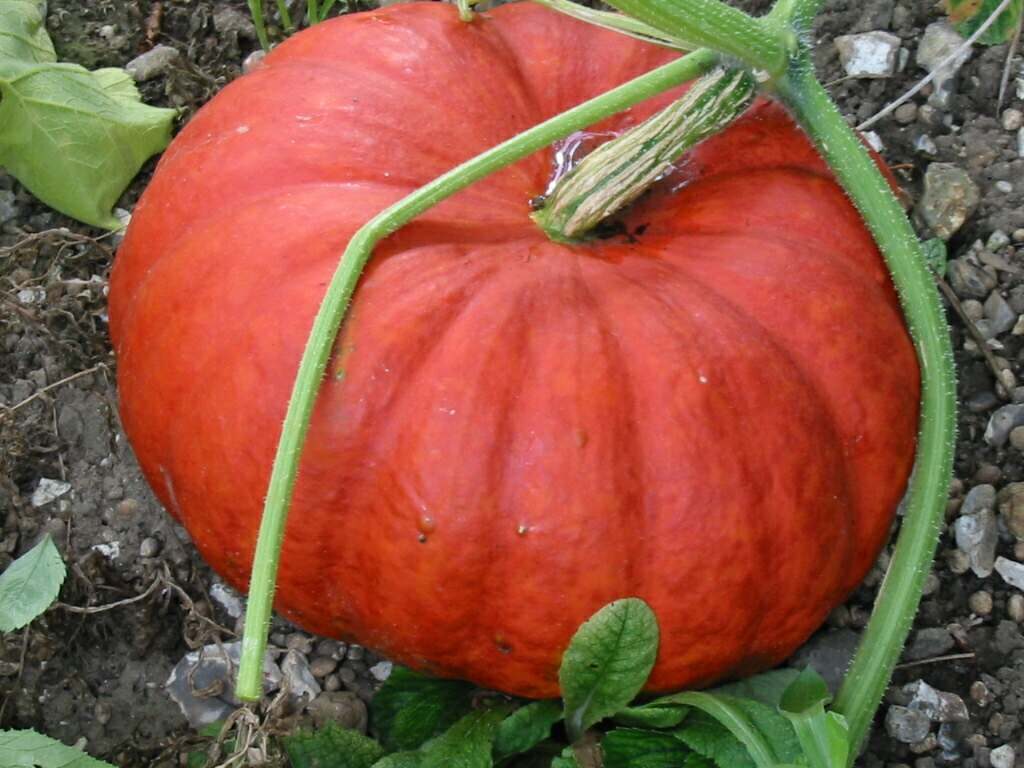
iNaturalist· cc-by-nc
(c) Sonii, Ashish-K., some rights reserved (CC BY-NC)
Description
A pumpkin family herb. It is a trailing vine. It is a variety of Benincasa hispida.
This description is brief — help expand it
Edible Uses
The fruit, seeds, buds and young leaves can be eaten cooked, resembling pumpkin or zucchini. The gourd can be stored for many months, much like winter squash. Ash gourds of the Indian subcontinent have a white coating with a rough texture (hence the name ash gourd). Southeast Asian varieties have a smooth waxy texture. It is one of the few vegetables available during winter in areas of deciduous vegetation. In India, the wax gourd is recognized for its medicinal properties in the Ayurvedic system of medicine. It also has significance in spiritual traditions of India and Yoga, where it is identified as a great source of prana. In Cambodia, it is known as tralach (Khmer: ត្រឡាច), and used in soup and stews in Cambodian cuisine. It is commonly used to make samlor tralach, which is winter gourd and pork soup, or stuffed pork in the gourd. In Chinese cuisine, the gourds are used in stir fries or combined with pork or pork/beef bones to make winter gourd soup, often served in the scooped out gourd, carved by scraping off the waxy coating. It is also chopped and candied as wintermelon candy (dōng guā táng), commonly eaten at New Year festivals, or as filling for Sweetheart cake (lǎopó bǐng). It has also been used as the base filling in Chinese and Taiwanese mooncakes for the Moon Festival. In Vietnamese cuisine, it is called bí đao, and is usually used to make soup or stew. When cooked with pork short ribs, the resulting soup is traditionally thought to help produce more milk for breastfeeding mothers. In the Philippines, it is called kundol and is candied or used as a pastry filling for hopia. It is also an ingredient in some savory soups (sabáw) and stir-fried (guisado) dishes. In Indian cuisine, it is traditionally used to prepare a wide variety of dishes. In northern India it is used to prepare a candy called petha. In South Indian cuisine, it is traditionally used to make a variety of curries, including sāmbār and a stew (mōr kuḻambu, made with a yogurt base. The juice of the raw ash gourd (Maipawl or Khar) is used by the Mizo community and indigenous Assamese ethnicities of North-East India as a natural remedy to treat mild to severe dysentery. In north India, particularly in the middle Himalayas, it is paired with pulses such as moong which, when crushed, along with winter gourd, make a dish locally called bori. When dried in sunlight it becomes somewhat hard and is used in curry dishes and eaten with rice or chapati. This practice is especially prevalent in the Himalayas due to the long shelf life of the resulting product. In western Bihar as well as eastern Uttar Pradesh, it is called bhathua (भथुआ). In Sri Lanka, it is called puhul (පුහුල්) and alu puhul (අළු පුහුල්). In Andhra Pradesh, it is called Boodida Gummadikaya (బూడిద గుమ్మడికాయ Telugu). It is used to make stews, stir fries and vadialu. Vadialu are made by chopping the gourd in small pieces and mixing with ground urad beans and spices, then sun-drying. To eat, vadialu are deep fried in oil and eaten as an accompaniment to rice and sambar or lentil stews. It is known as Kohalaa (कोहळा) in the Marathi language. Kohala is used to prepare a sweet dish called Kohalyachi Vadee, a kind of Barfi. It is also used to make Sambar. In Gujarat, it is called kolu (કોળુ). In Bengal, it is called "ChaalKumro" (চালকুমড়ো ). There are various dished made with it, viz., ChalKumro’r Bora, Chalkumro ghonto, Chalkumror dudh curry, Chal kumro with mung dal, etc. In Odisha it is called (ପାଣି କଖାରୁ), it is used in various types of recipe all over Odisha. It is the main ingredient to prepare a very tasty candy like food (ବଡ଼ି) for curry or as a supplement mainly with watered rice. In Nepal, where it is called Kubhindo, it is cooked as a vegetable when young, but the ripe gourds are usually made into preserves or crystallized candy known as "murabba" or "petha". Occasionally, it is used to produce a fruit drink with a distinctive taste. It is usually sweetened with caramelized sugar. In Southeast Asia, the drink is marketed as wax gourd tea or wax gourd punch. The shoots, tendrils, and leaves of the plant may also be eaten as greens.
Distribution
It is a tropical plant.
References (1)
- Walters, T. W., 1989, Historical Overview on Domesticated Plants in China with Special Emphasis on the Cucurbitaceae. Economic Botany 43(3): 297-313