Bryonia cretica
L.
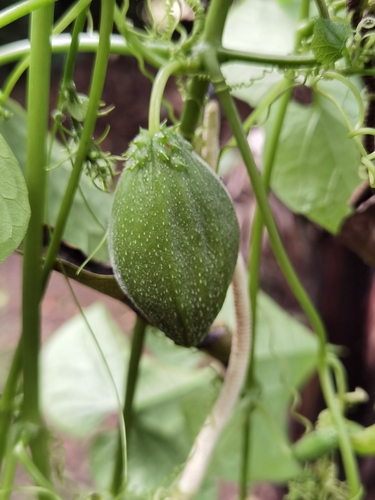
iNaturalist· cc-by-nc
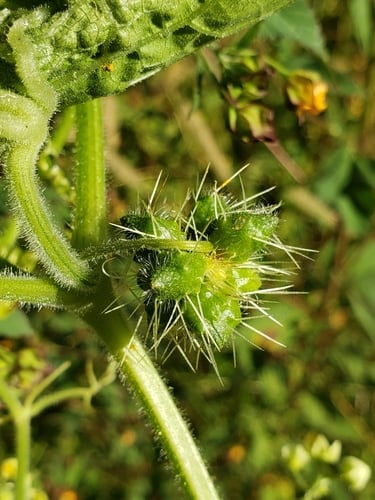
(c) Martin A. Prinz, some rights reserved (CC BY-NC), uploaded by Martin A. Prinz
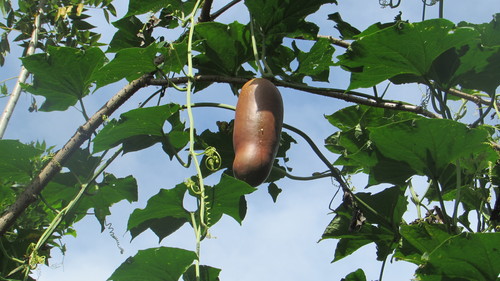
iNaturalist· cc-by-nc
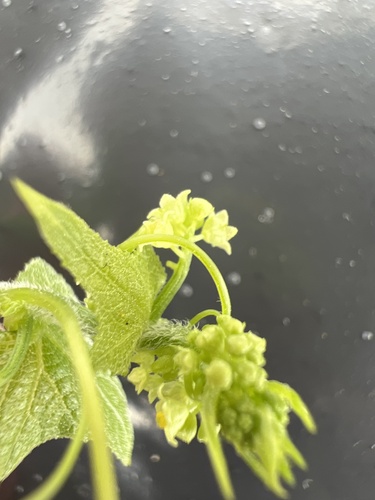
(c) Francis Birlenbach, some rights reserved (CC BY-NC), uploaded by Francis Birlenbach
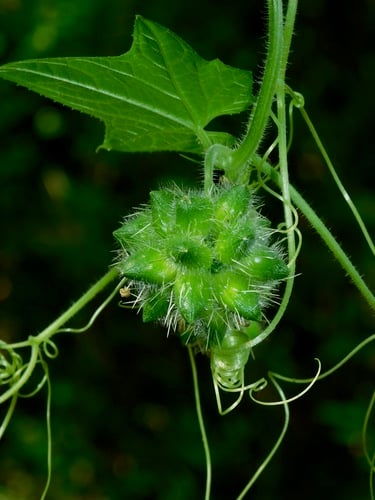
iNaturalist· cc-by-nc
(c) gardatxanae, some rights reserved (CC BY-NC), uploaded by gardatxanae
Summary
Source: WikipediaBryonia cretica, also known as Cretan bryony or English mandrake is a perennial species of Bryonia. Its flowers bloom in the summer and usually grow between 3 and 5mm. Its fruit are toxic. They have been used in traditional medicine. It is a common plant in most of Europe, North Africa, the Middle East and Turkmenistan.
Description
A pumpkin family plant (Cucurbitaceae) from temperate regions, related to the better-known red bryony.
This description is brief — help expand it
Edible Uses
Leaves can be eaten.
Distribution
It is a temperate plant.
Where It Grows
Africa, Albania, Algeria, Austria, Belgium, Britain, Bulgaria, Central Asia, Cyprus, Czech republic, Denmark, Egypt, Europe, Finland, France, Germany, Greece, Hungary, Lebanon, Morocco, Netherlands, North Africa, Palestine, Poland, Portugal, Sicily, Spain, Sweden, Switzerland, Syria, Tajikistan, Tunisia, Turkey, Türkiye, Turkmenistan, Uzbekistan,
Also Known As
Karhaylin
References (2)
- Ertug, F, Yenen Bitkiler. Resimli Türkiye Florası -I- Flora of Turkey - Ethnobotany supplement
- Zeven, A. C. & de West, J. M. J., 1982, Dictionary of cultivated plants and their regions of diversity. Wageningen. p 108