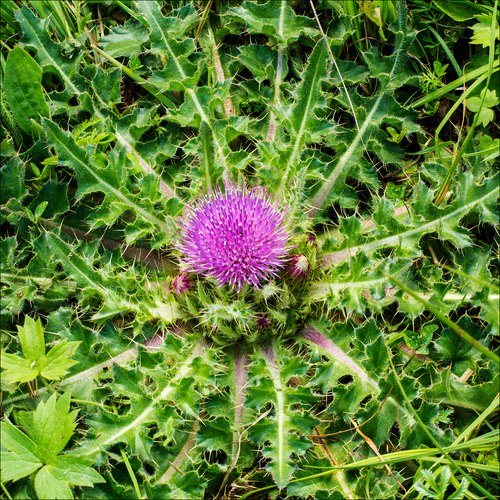
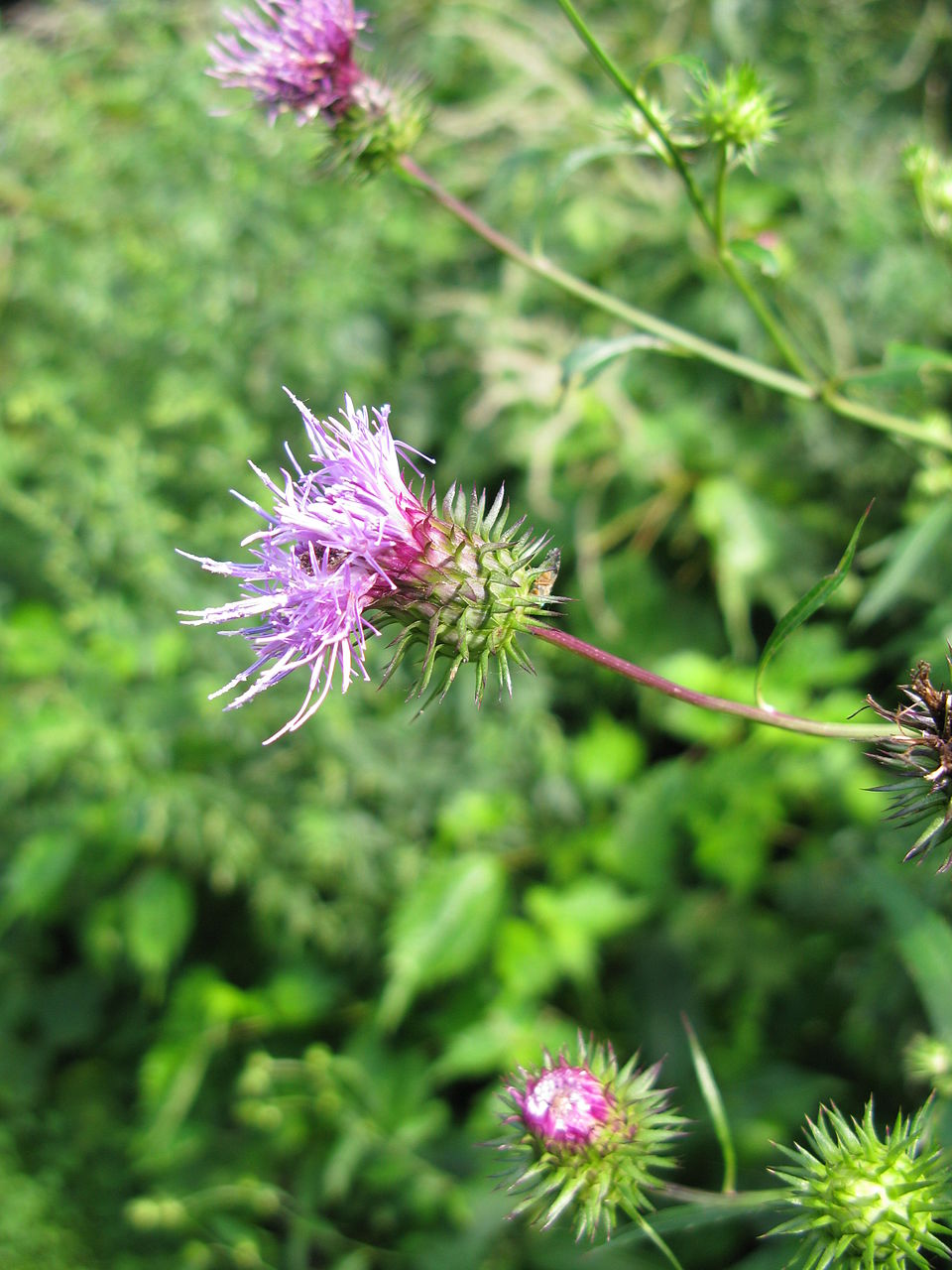
Crepis occidentalis
Nutt.
Western hawksbeard
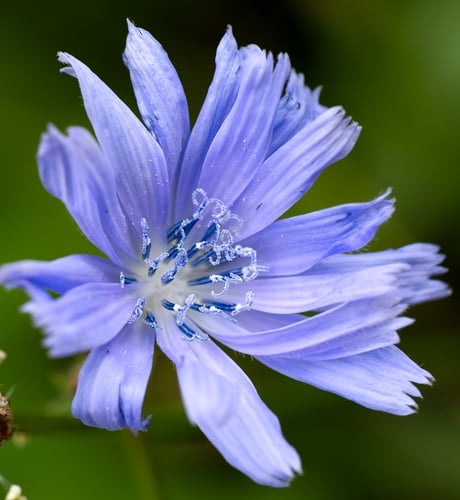
iNaturalist· cc-by
(c) Jim Morefield, some rights reserved (CC BY)
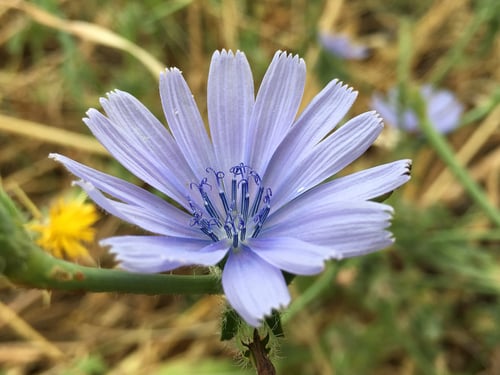
iNaturalist· cc-by
(c) Jim Morefield, some rights reserved (CC BY), uploaded by Jim Morefield
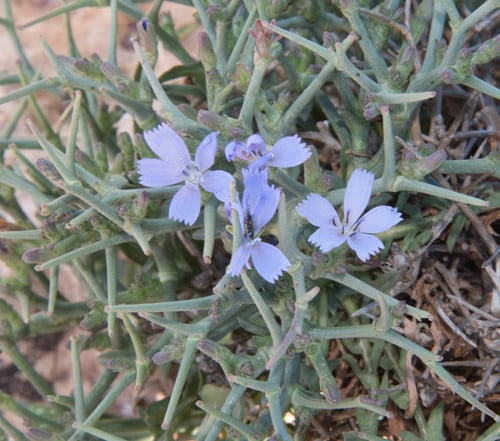
iNaturalist· cc-by-nc
(c) Lomatium, some rights reserved (CC BY-NC)
Description
Crepis occidentalis is an evergreen Perennial growing to 1 m (3ft 3in) by 0.4 m (1ft 4in) at a fast rate. See above for USDA hardiness. It is hardy to UK zone 4. The flowers are pollinated by Bees, Insects. It is noted for attracting wildlife. Suitable for: light (sandy), medium (loamy) and heavy (clay) soils and prefers well-drained soil. Suitable pH: mildly acid, neutral and basic (mildly alkaline) soils. It can grow in semi-shade (light woodland) or no shade. It prefers moist soil.
Edible Uses
The leaves of C. occidentalis are the primary edible part (fresh in small amounts, or cooked more broadly). It is a practical “greens” plant when you can find clean, healthy patches, and when you process it with bitterness in mind. Edible Uses & Rating. Leaves are eaten raw in limited amounts or cooked as a potherb; as a forager vegetable, it rates “good-to-fair” depending on local bitterness and hairiness. Its biggest advantage is reliability and abundance rather than exceptional flavor. Taste, Processing & Kitchen Notes. Expect classic chicory-tribe bitterness from milky latex, plus a textural issue from hairs that can make salads unpleasant. Your best kitchen strategy is to harvest younger leaves, wash thoroughly, and blanch/boil; if bitterness remains strong, change the water, then finish the greens in a soup, eggs, or a sauté with fat, salt, and acid. In mixed dishes, it performs better than on its own because the resinous/dandelion note can otherwise dominate. Seasonality (Phenology). Basal leaves are best before or at the onset of flowering; once yellow heads appear (often late spring into summer across much of its range), the basal leaves commonly begin to wither, reducing harvest quality. Oregon flora treatments emphasize its perennial habit and typical bloom timing in the growing season. Safety & Cautions (Food Use). The main “caution” is culinary and digestive rather than toxicological: bitterness and latex can be hard on some people in quantity. Start small, avoid drought-stressed plants, and avoid plants from contaminated or sprayed sites. Harvest & Processing Workflow. Identify a clean patch, sample one leaf for bitterness and hairiness, then harvest the youngest intact leaves in bulk. Wash thoroughly, blanch, taste, and decide whether to proceed to a second-water boil if needed. Chop and use as a component green rather than the entire dish; pairing with mild greens is the simplest upgrade. Cultivar/Selection Notes. No meaningful cultivar stream exists; “selection” is site-based—plants from moister, partly shaded microsites tend to be less harsh and less tough. Look-Alikes & Confusion Risks. It can be confused with other yellow, ligulate-headed Asteraceae (other Crepis, Hypochaeris, Agoseris, Taraxacum, etc.). The safe route is to confirm the chicory-tribe pattern (strap florets only and milky sap) and then confirm Crepis traits (head arrangement, leaf form, and overall habit) before harvesting heavily. Traditional/Indigenous Use Summary. Ethnobotanical coverage of C. occidentalis as food is comparatively sparse in many Southwestern-focused references; it is a practical, locally used green rather than a universally documented staple.
Medicinal Uses
Crepis occidentalis (Western hawksbeard) is known to have limited, specific medical uses, particularly in traditional indigenous medicine, and it is sometimes used as a groundcover or ornamental plant in gardens. Medicinal and Traditional Uses: Respiratory and Fevers: It has been used to treat fevers and is generally considered to have some medicinal applications for various ailments. Eye and Topical Care: Similar to other species in the Crepis genus, C. occidentalis has been used by indigenous peoples (such as the Shoshoni) for specific ailments. This included using pulverized root pieces to dislodge foreign objects from the eye and to soothe inflammation. Other Uses: It has been used in poultices for treating boils and, in some contexts, for digestive issues. Safety Note: While the related Crepis species, such as Crepis japonica, have shown potential antimicrobial, antioxidant, and anti-inflammatory properties in studies, it is important to correctly identify the plant, as it looks similar to others in the daisy family.
Known Hazards
The main “caution” is culinary and digestive rather than toxicological: bitterness and latex can be hard on some people in quantity. Start small, avoid drought-stressed plants, and avoid plants from contaminated or sprayed sites.
Distribution
It is widespread across much of the interior West and is treated as a native perennial in regional floras, including Oregon.
Where It Grows
US. USA. Alberta, Arizona, British Columbia, California, Colorado, Idaho, Montana, Nevada, New Mexico, Oregon, Saskatchewan, South Dakota, Utah, Washington, Wyoming.
Cultivation
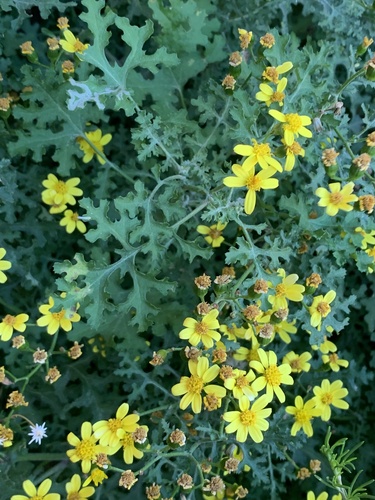
Western hawksbeard is a dependable, widely available “dandelion-style” green: not a gourmet salad leaf, but a workable soup/stew green when processed correctly and harvested early. Growing Conditions. It thrives in open to lightly shaded sites with seasonal moisture, tolerating a range of soils as long as drainage is reasonable. In garden terms, it behaves like a hardy meadow perennial that prefers sun to part shade and moderate moisture. Habitat & Range. It is widespread across much of the interior West and is treated as a native perennial in regional floras, including Oregon. Size & Landscape Performance. As a landscape plant it reads as a naturalistic meadow wildflower, with modest structure and seasonal bloom; it is better for habitat plantings than ornamental borders. Cultivation (Horticulture). It is easiest to establish from seed in fall or early spring and then allow to naturalize. Avoid rich fertilizer if your goal is edible quality; overly lush growth can be more bitter and more pest-prone. Pests & Problems. Leaf damage from insects and occasional disease can reduce edibility; harvest only clean leaves. Texture issues from hairs are a “problem” even when plants are healthy. Identification & Habit. A milky-sapped, yellow-flowered Crepis with basal leaves and flowering stems, producing the classic chicory-tribe look with strap-flowered heads. Pollinators. The yellow ligulate heads attract generalist insects typical of open-country composites, especially small native bees, flies, and butterflies that work “dandelion-type” flowers through the season. Western/Showy Hawksbeard (Crepis occidentalis Nutt.). Family. Genus. Common Names. USDA Hardiness Zones and approximate height/spread ranges. Western (or showy) hawksbeard is Asteraceae, genus Crepis, commonly called western hawksbeard or showy hawksbeard. It is best treated as hardy to roughly USDA Zones 3–8 (estimate from intermountain and montane distribution). It commonly grows about 30–100 cm tall and spreads about 20–40 cm in a clumping, basal-rosette-to-stem habit; Oregon flora treatments describe it as a perennial.
Propagation
Primarily by seed; allow heads to mature and collect seed as pappus develops, or let it self-sow in open soil.
Other Uses
Groundcover or ornamental plant in gardens. Flowers support a range of insect visitors; the plant contributes to meadow diversity and seasonal forage for pollinators, while bitter latex limits heavy browsing.
Synonyms
Also Known As
Western hawksbeard or Showy hawksbeard.