Cardamine cordifolia
A.Gray
Heartleaf Bittercress
iNaturalist· cc-by-nc
(c) cwellssalerno, some rights reserved (CC BY-NC)
iNaturalist· cc-by-nc
(c) Remington Jackson, some rights reserved (CC BY-NC), uploaded by Remington Jackson
iNaturalist· cc-by-nc
(c) janinafindsthings, some rights reserved (CC BY-NC)
Description
Cardamine cordifolia is a PERENNIAL growing to 0.6 m (2ft) by 0.6 m (2ft in) at a medium rate. See above for USDA hardiness. It is hardy to UK zone 4. The flowers are pollinated by Bees, Insects. It is noted for attracting wildlife. Suitable for: light (sandy) and medium (loamy) soils. Suitable pH: mildly acid, neutral and basic (mildly alkaline) soils. It can grow in semi-shade (light woodland) or no shade. It prefers moist or wet soil and can grow in water.
Edible Uses
Edible Uses & Rating: The leaves are the primary edible part and can be eaten raw or cooked. Raw leaves offer a pungent, bitter, mustard-hot flavour reminiscent of horseradish—with significant variation among individual leaves. While some are mild, others are sharply spicy. Cooking softens both bitterness and sharpness, producing a tender, palatable green suitable for soups or steamed greens. Other plant parts—flowers, rhizomes, and seeds—may be edible (as in other Cardamine species), but documented use is scarce. Based on taste, abundance, and ease of harvest, the plant serves as a moderately valuable foraged green, with quality improving after brief cooking. Edibility rating: 3.5/5. Taste, Processing & Kitchen Notes: Fresh leaves are crisp and watery with an immediate mustard-spice bite. Bitter notes vary from negligible to strong, even on the same plant. Boiling or steaming effectively reduces heat and bitterness, transforming the greens into something comparable to a mild mustard or watercress. They pair well with broths, stews, or as a leafy addition to foraged green mixes. Because plants grow along streams, thorough washing is essential, and leaves should ideally be cooked to reduce the risk of waterborne pathogens (Giardia, Cryptosporidium). If rhizomes are used, they may offer a peppery accent similar to crinkleroot (Cardamine diphylla), though this remains speculative without broader documentation. Seasonality (Phenology): Plants emerge in spring as snow begins to melt from high-elevation mountain meadows. Growth continues through summer as long as moisture persists. Flowering occurs from May to August, depending on altitude and snowpack. Leaves remain usable throughout the growing season, though younger leaves are milder. Seedpods mature in mid to late summer and dehisce explosively, characteristic of the genus. Safety & Cautions (Food Use): As with all raw plants gathered from streambanks, there is a risk of waterborne parasites; cooking is recommended. The bitter, spicy compounds are glucosinolates typical of the mustard family; heavy consumption may cause digestive discomfort. Individuals sensitive to mustard greens should consume in moderation. No known toxicity issues have been reported for this species specifically. Harvest & Processing Workflow: Harvest young, tender leaves from mid-spring onward. Snip individual leaves rather than pulling entire plants to preserve colonies. Wash thoroughly to remove sediment. Boil lightly to reduce bitterness and deactivate potential pathogens. If experimenting with rhizomes, dig small sections from colony edges, scrub well, and use sparingly as a seasoning. Seeds can be collected but are small and not documented as a major food source for this species. Look-Alikes & Confusion Risks: The heart-shaped leaves distinguish Cardamine cordifolia from other bittercresses, most of which have narrow, dissected, or compound leaves. Watercress (Nasturtium officinale) may grow in similar habitats but has compound leaves and a very different flavour. Young plants could be confused with Viola species, but the latter have a different venation pattern, no mustard-family flowers, and do not form elongated racemes of siliques. Traditional / Indigenous Use Summary: Although direct documentation for this species is scarce, the broader genus Cardamine was used by numerous Indigenous groups and early settlers as a spicy spring green, a seasoning herb, and in some cases a rhizome-derived condiment. Given its abundance and flavour, heartleaf bittercress was almost certainly consumed, even if early ethnographers failed to record it.
Known Hazards
As with all raw plants gathered from streambanks, there is a risk of waterborne parasites; cooking is recommended. The bitter, spicy compounds are glucosinolates typical of the mustard family; heavy consumption may cause digestive discomfort. Individuals sensitive to mustard greens should consume in moderation. No known toxicity issues have been reported for this species specifically.
Distribution
Widespread across western North America—from Alaska and British Columbia southward through the Rocky Mountains into Arizona, New Mexico, Utah, Idaho, Colorado, Wyoming, Montana, and Nevada.
Where It Grows
US. USA. Arizona, British Columbia, California, Colorado, Idaho, Nevada, New Mexico, Oregon, Utah, Washington, Wyoming
Cultivation
Heartleaf bittercress is a highly useful but surprisingly overlooked wild mustard. Its spicy leaves are abundant in alpine and subalpine riparian zones, offering a dependable vegetable during the mountain growing season. Although rarely mentioned historically, modern foragers recognize it as a valuable, flavourful, and easy-to-identify plant of the western mountains. Growing Conditions: Heartleaf bittercress thrives in cold, moist, well-oxygenated soils: seeps, stream margins, wet meadows, mountain springs, and areas kept saturated by snowmelt. It requires consistent moisture and partial to full sun, though it can tolerate light shade. Soil can range from sandy to silty to organic. Plants rapidly wilt in dry conditions and are seldom found far from water. USDA Hardiness Zones: 3–8, depending on site moisture. Habitat & Range: This species is widespread across western North America—from Alaska and British Columbia southward through the Rocky Mountains into Arizona, New Mexico, Utah, Idaho, Colorado, Wyoming, Montana, and Nevada. It is almost always associated with running or standing cold water. Western streambanks from 2,000–3,500 m elevation represent prime habitat. Though common, its highly specific ecological niche keeps populations patchy and localized. Size & Landscape Performance: Plants stand 20–80 cm tall with colonies spreading laterally through rhizomes. In lush streamside habitats, plants form dense patches; in drier margins, they remain sparse and smaller. It is seldom cultivated due to its strict moisture requirements but could theoretically serve as a streambank stabilizer in cold-climate gardens. Cultivation (Horticulture): Heartleaf bittercress is rarely intentionally cultivated. It requires continuously moist or saturated soil, cold water, and cool ambient temperatures, making it suitable mainly for specialized riparian restorations, alpine gardens, or shaded artificial stream edges. Given moisture, it spreads readily through rhizomes. Pests & Problems: In natural settings, plants are largely pest-free. Aphids, flea beetles, or leaf miners may occur but rarely cause significant damage. Fungal issues may develop in overly stagnant water. Plants are highly sensitive to heat and will collapse when soils dry. Cultivar / Selection Notes: No cultivars exist. All populations are wild-type with local variations in leaf size, bitterness, and growth vigour. Identification & Habit: Heartleaf bittercress is an upright, rhizomatous perennial growing 20–80 cm tall. Plants spread laterally through slender rhizomes, forming loose to dense colonies along stream edges and in wet meadows. Hairlessness is typical, though some forms may bear sparse simple hairs. Leaves are simple and alternate, never forming basal rosettes. Lower leaves are distinctly heart-shaped (cordate), stalked, and coarsely toothed; upper leaves share the same basic form but are smaller and on shorter petioles. Plants bear elongated racemes of small, four-petalled white flowers typical of the mustard family. The overall habit is lush, upright, and moisture-dependent: plants wilt quickly when removed from their saturated habitat, making field identification straightforward.
Propagation
Propagation occurs both through seed and vegetative rhizomes. Seeds ripen explosively and are short-lived in the seedbank but germinate readily in wet soils. Rhizome segments with nodes re-root easily under continuously moist conditions. Division of rhizomatous clumps is the simplest propagation method.
Other Uses
It is seldom cultivated due to its strict moisture requirements but could theoretically serve as a streambank stabilizer in cold-climate gardens. It requires continuously moist or saturated soil, cold water, and cool ambient temperatures, making it suitable mainly for specialized riparian restorations, alpine gardens, or shaded artificial stream edges. Given moisture, it spreads readily through rhizomes. Ecology & Wildlife: Flowers are primarily pollinated by insects, especially small bees, hoverflies, and various dipterans that frequent wet meadows. Some self-pollination also occurs. Bittercress clusters help stabilize saturated soils along streams and provide microhabitats for aquatic and semi-aquatic insects. Herbivory by deer and elk occurs but is usually minor.
Synonyms
Also Known As
Heart leaf bittercress
More from Brassicaceae
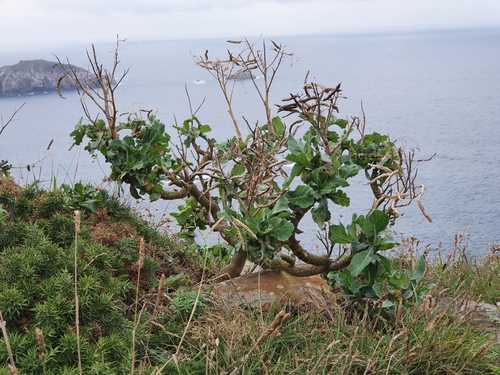
Brassica oleracea var. botrytis var. asparagoides
Nine star perennial broccoli
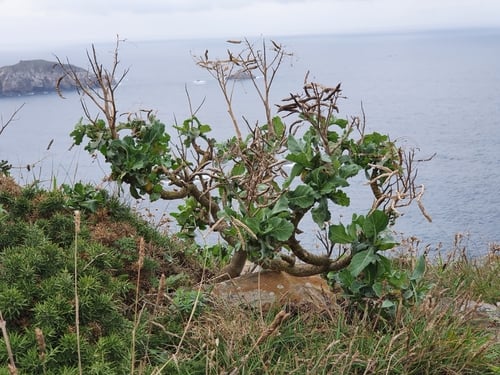
Brassica oleracea var. capitata
Cabbage
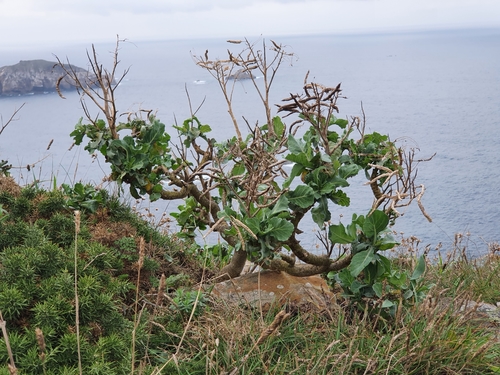
Brassica oleracea var. fruticosa
Thousand-headed kale
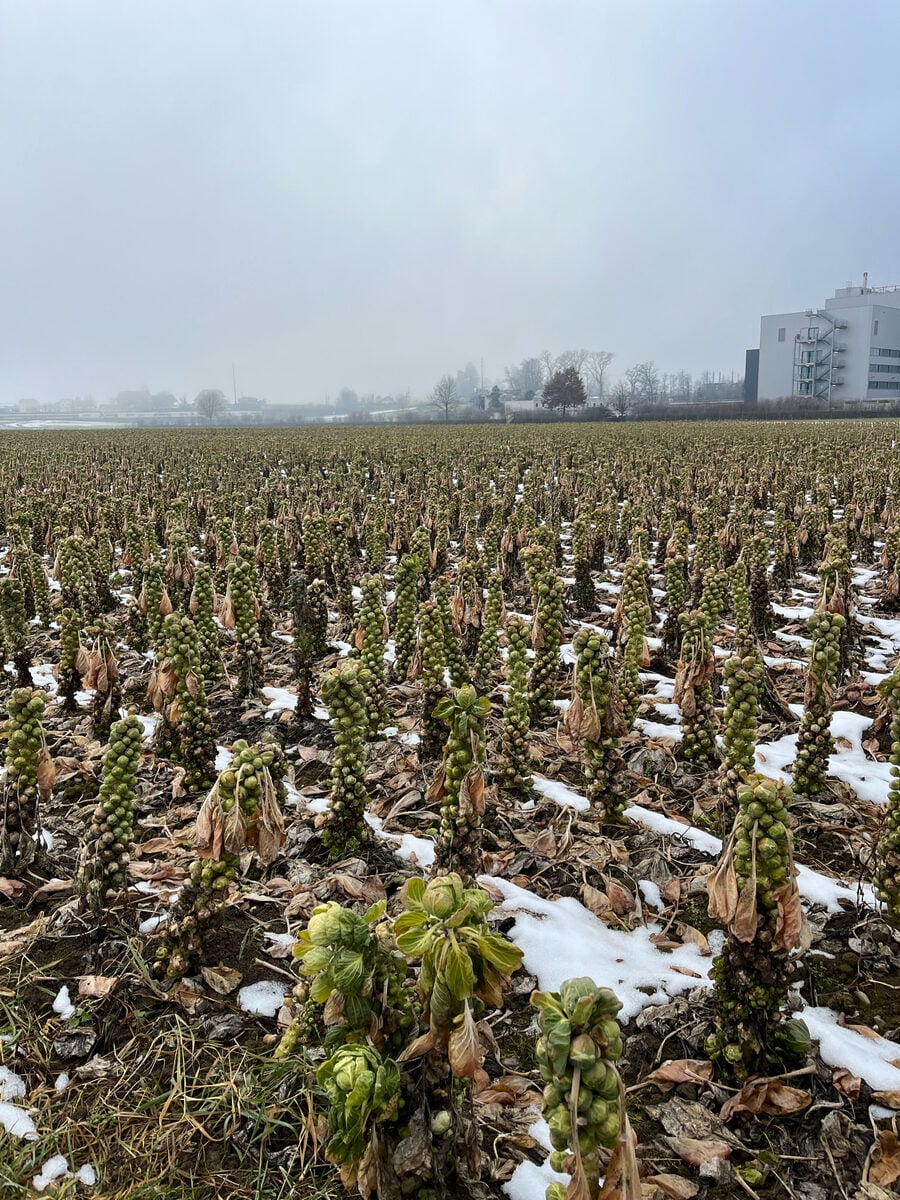
Brassica oleracea var. gemmifera
Brussels sprouts
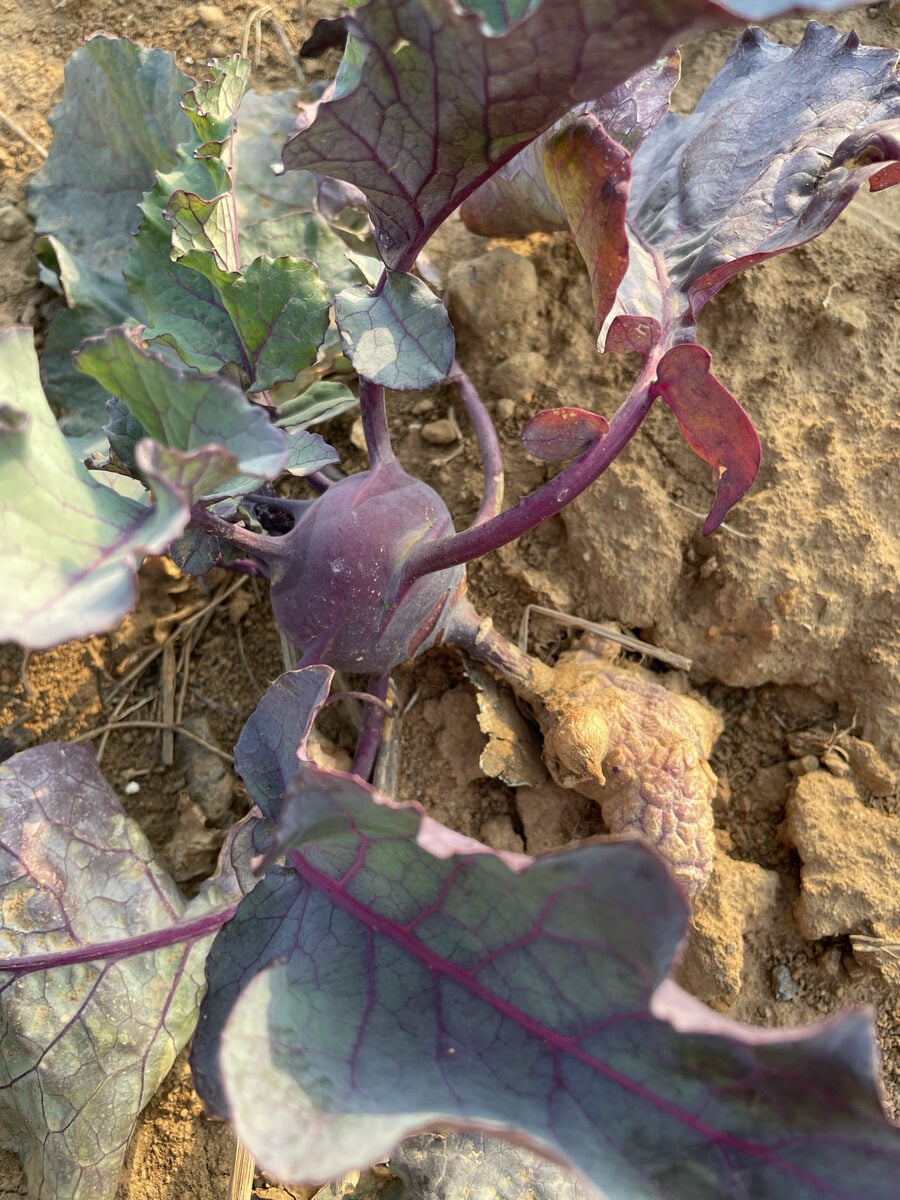
Brassica oleracea var. gongylodes
Kohl rabi
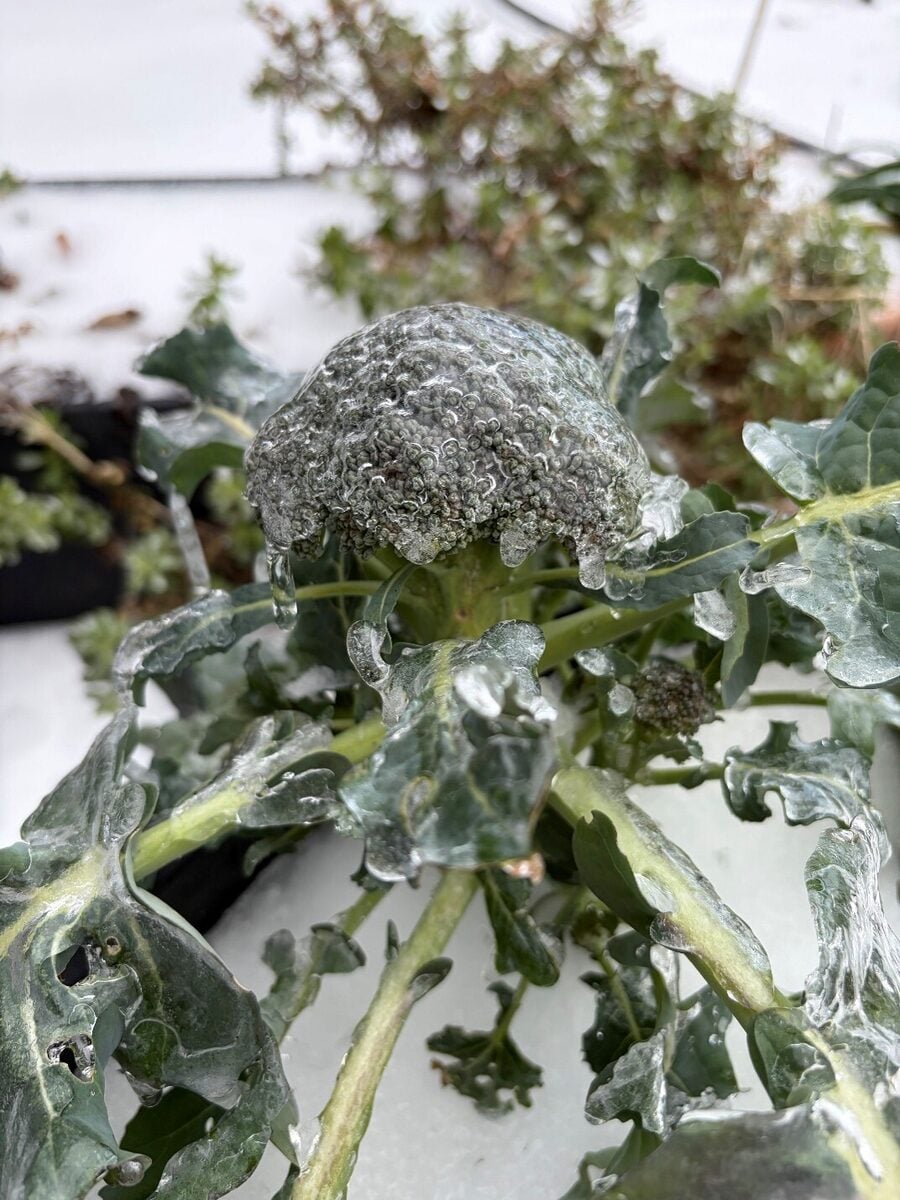
Brassica oleracea var. italica
Broccoli