Barbarea stricta
Andrz. ex Besser
Small-flowered wintercress
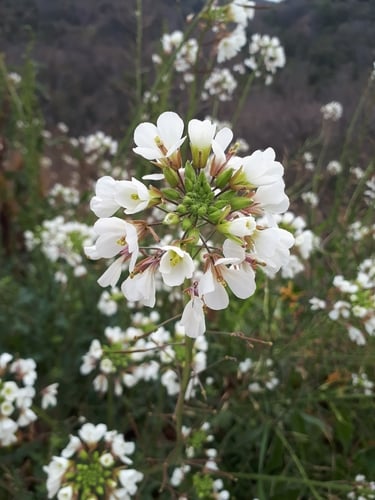
iNaturalist· cc-by-nc
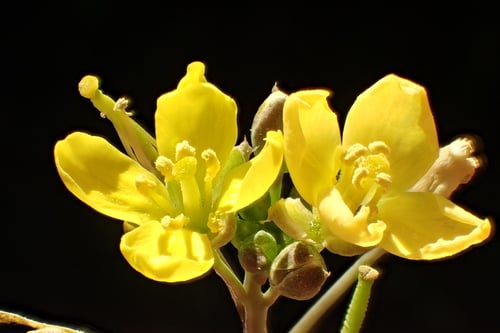
(c) Dina Nesterkova, some rights reserved (CC BY-NC), uploaded by Dina Nesterkova
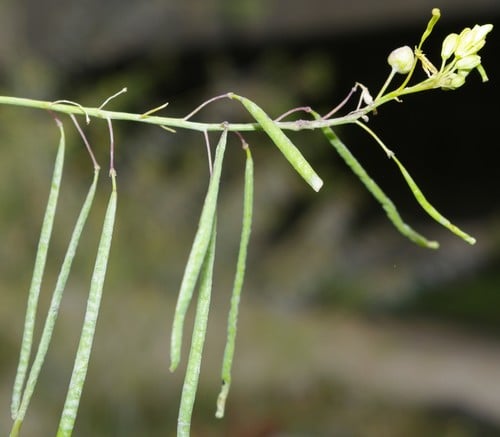
iNaturalist· cc-by-nc
(c) Sergey Mayorov, some rights reserved (CC BY-NC), uploaded by Sergey Mayorov
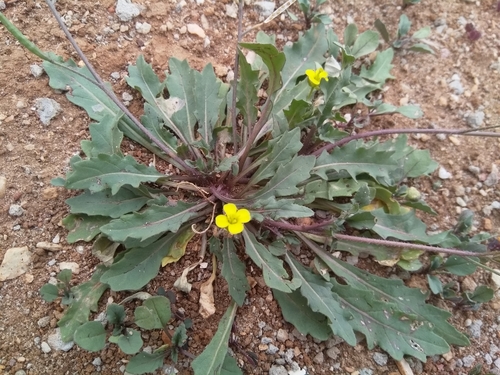
iNaturalist· cc-by-nc
(c) Colin Chapman-Lam, some rights reserved (CC BY-NC), uploaded by Colin Chapman-Lam
Summary
Source: WikipediaBarbarea stricta, the small-flowered winter-cress, is a species of plant in the family Brassicaceae.
Description
A biennial reaching 0.8 m tall and 0.4 m wide, growing at a fast rate. Hardy to UK zone 4 and not frost tender. Insect-pollinated flowers appear as the plant develops. Adaptable to light sandy, medium loamy, and heavy clay soils. Tolerates mildly acidic, neutral, and basic soils. Requires full sun and prefers moist or wet soil.
Edible Uses
The leaves and flowers are edible but should be wild-harvested cautiously, as the plant can carry disease organisms such as giardia from contaminated water [2-4] .
Medicinal Uses
None known
Distribution
It is a temperate place.
Where It Grows
Europe, Sweden,
Cultivation
A biennial or perennial herb often misidentified as garden yellow-rocket (Barbarea vulgaris). It is found on stony and gravelly lakes, rivers and seas, ditches, damp paths, and roadsides. Flowering time is June–July (Northern Hemisphere). The species favours nitrogenous soil and can grow on, for example, kelp banks. The Latin strictus means ‘upright, stiff.’
Propagation
Seed
Other Uses
None known Special Uses
Other Information
The leaves and flowers are foraged and eaten in restaurants in Sweden.
Synonyms
Also Known As
Small-flowered winter-cress, Upright yellow-rocket, Winter cress
References (1)
- Luczaj, L. et al, 2012, Wild food plant use in 21st century Europe: the disappearance of old traditions and the search for new cuisines involving wild edibles. Acta Soc Bot Pol 81(4):359–370