Brassica balearica
Pers.
Balearic cabbage
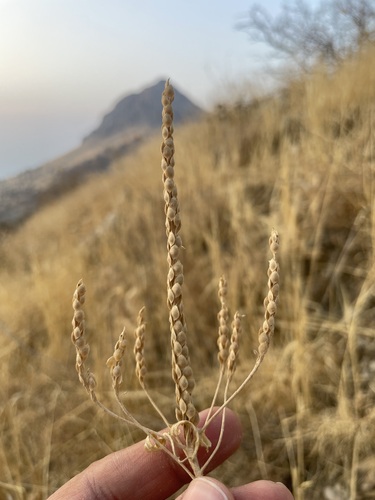
iNaturalist· cc-by-nc
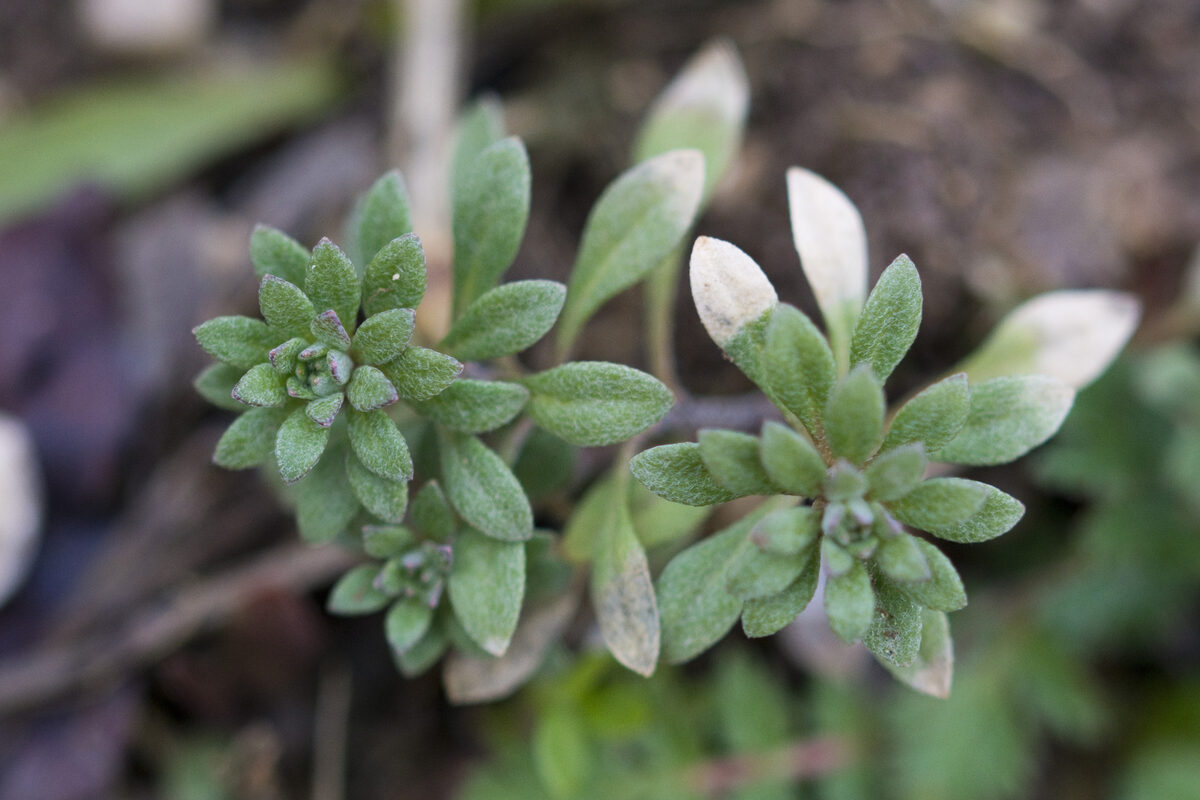
(c) Joshua Borràs, some rights reserved (CC BY-NC), uploaded by Joshua Borràs
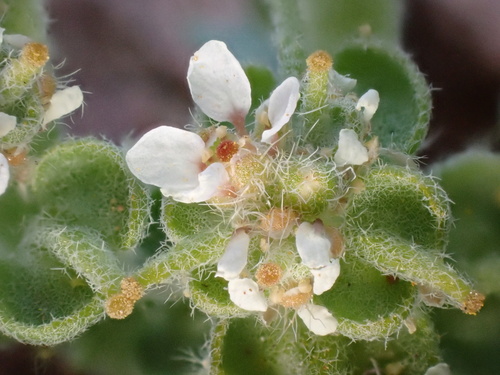
iNaturalist· cc-by-nc
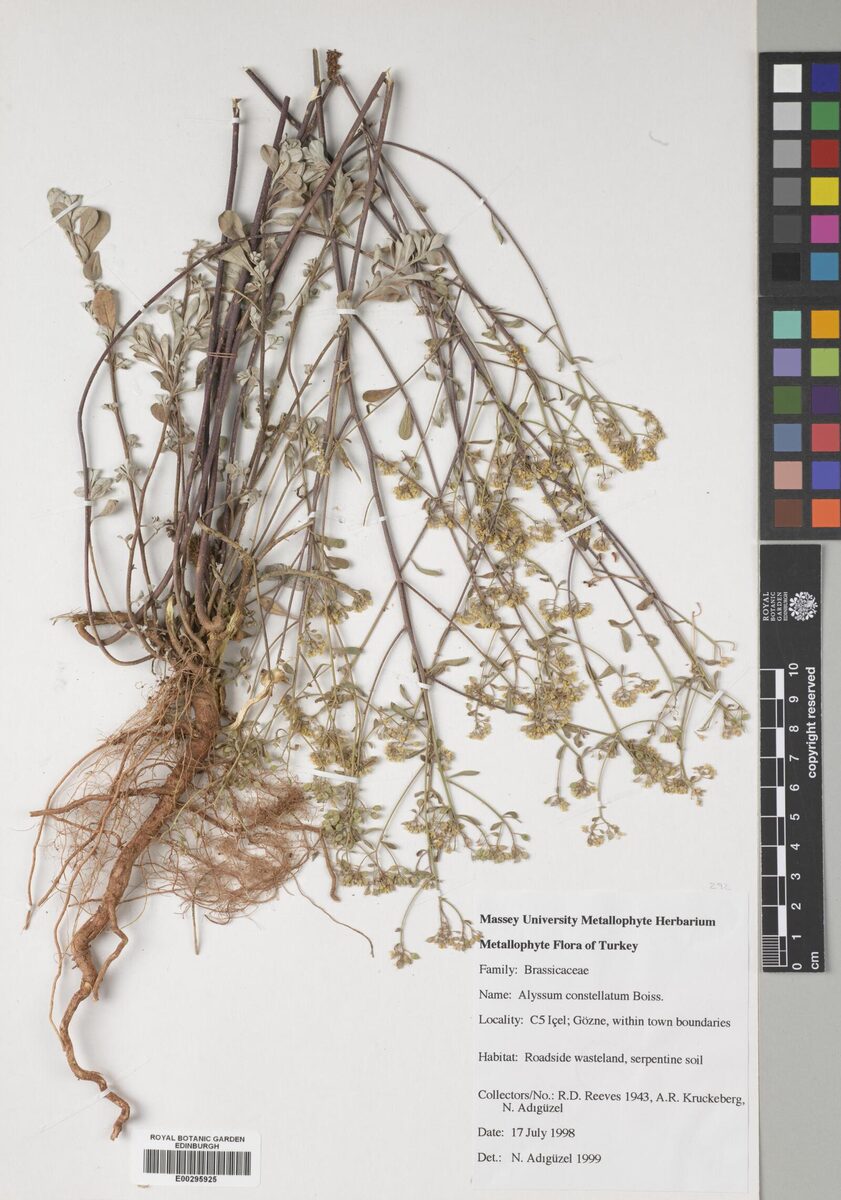
(c) Pere Valls, some rights reserved (CC BY-NC)
iNaturalist· cc-by-nc-sa
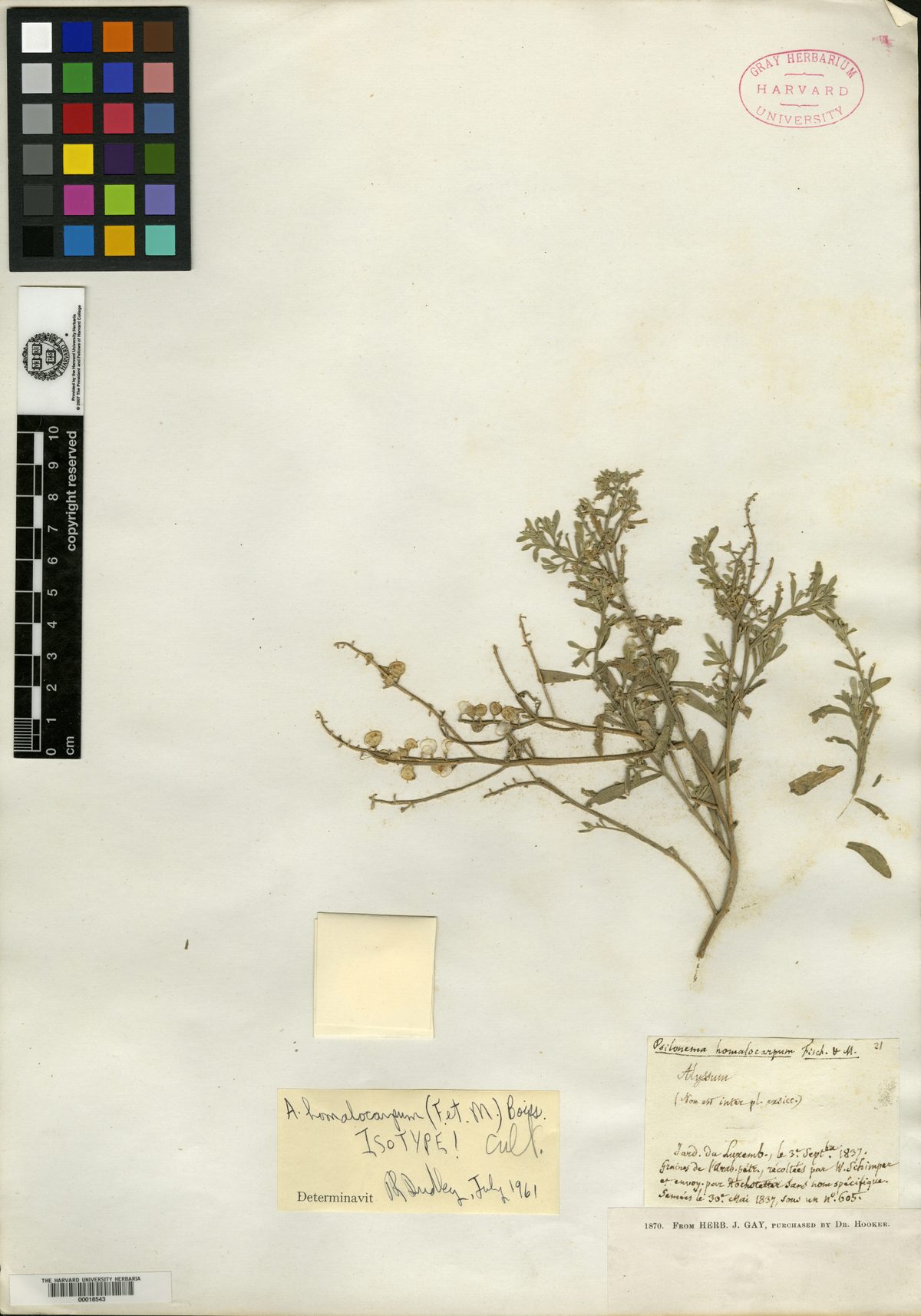
(c) Carles Cardona, some rights reserved (CC BY-NC-SA)
Summary
Brassica balearica is a perennial with hermaphroditic flowers pollinated by insects. Tolerates light sandy, medium loamy, or heavy clay soils with good drainage. Grows in neutral to very alkaline conditions. Requires full sun, prefers moist soil, and can withstand maritime exposure.
Description
A cabbage family plant. It is a small evergreen shrub. It grows 40 cm high. The lower stems become bare and woody. The leaves are fleshy and shiny green. They are in rings. They can have deep lobes. The can be like an oak leaf. They have long stalks. The flowers are yellow and 12-20 mm across. The pod is narrow and 2-6 cm long. It has a few constrictions and a very short beak.
Edible Uses
Edible Parts: Leaves Edible Uses: The plant is said to be used as a vegetable. We do not know what part of the plant is used though it is most likely to be the leaves.
Medicinal Uses
None known
Distribution
It grows on limestone and rocky cliffs.
Where It Grows
Europe, Majorca, Mediterranean, Spain,
Cultivation
We have very little information on this species and do not know if it will be hardy in Britain, though judging by its native range it should succeed outdoors in many parts of this country. The following notes are based on the general needs of the genus. Succeeds in full sun in a well-drained fertile preferably alkaline soil. This species might be no more than a part of the polymorphic species B. cretica.
Propagation
Seed - sow spring in a cold frame. When they are large enough to handle, prick the seedlings out into individual pots and plant them out into their permanent positions in the summer.
Other Uses
None known Special Uses
Notes
There are about 30 Brassica species and many cultivated varieties.
References (4)
- Blamey, M and Grey-Wilson, C., 2005, Wild flowers of the Mediterranean. A & C Black London. p 68
- Hedrick, U.P., 1919, (Ed.), Sturtevant's edible plants of the world. p 129
- Plants for a Future database, The Field, Penpol, Lostwithiel, Cornwall, PL22 0NG, UK. http://www.scs.leeds.ac.uk/pfaf/
- Syn. pl. 2(1):206. 1806