Brassica oleracea costata
DC.
Couve Tronchuda
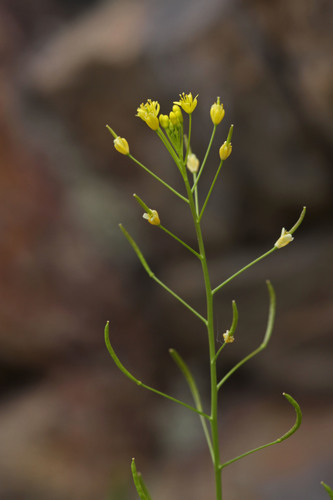
iNaturalist· cc-by-nc
(c) jereweliver, some rights reserved (CC BY-NC)
Description
Brassica oleracea costata is a BIENNIAL growing to 1.5 m (5ft). See above for USDA hardiness. It is hardy to UK zone 8 and is not frost tender. It is in leaf all year, in flower from May to August, and the seeds ripen from July to September. The species is hermaphrodite (has both male and female organs) and is pollinated by Bees. The plant is self-fertile. Suitable for: light (sandy), medium (loamy) and heavy (clay) soils, prefers well-drained soil and can grow in heavy clay soil. Suitable pH: mildly acid, neutral and basic (mildly alkaline) soils. It can grow in semi-shade (light woodland) or no shade. It prefers moist soil. The plant can tolerate maritime exposure.
Edible Uses
Leaves - raw or cooked. Tender. Most commonly eaten as a vegetable, though the younger and more tender leaves can be added to salads. Some people find the raw leaves hard to digest. The leaves can be available all through the winter. The leaf ribs are cooked like seakale (Crambe maritima.).
Distribution
A cultivated form of B. oleracea.
Where It Grows
(Brassica oleracea) EUROPE: United Kingdom (U.K.) (coasts), Germany, Schleswig-Holstein, Spain (n. coast), France (w. & n. coasts).
Cultivation
Succeeds in full sun in a well-drained fertile preferably alkaline soil. Prefers a heavy soil. Succeeds in any reasonable soil, but is best when grown in a rich soil. Couve tronchuda is a non-hearting form of cabbage with large green leaves and prominent white midribs that are available to eat mainly in the autumn. The plant is transitional between the hearting cabbages and the kales. Occasionally cultivated for its edible leaves and leaf stem, it is taller growing than the cabbages but less hardy, tolerating temperatures down to between -5 and -10°c. One report suggests that it might be resistant to club root. A good bee plant.
Propagation
Seed - sow in a seedbed outdoors in April. Plant out as space permits in summer. Do not let the seedlings get overcrowded or they will soon become leggy and will not make such good plants. If your seedlings do get leggy, it is possible to plant them rather deeper into the soil - the buried stems will soon form roots and the plant will be better supported.