Brassica campestris
L.
Field mustard, Wild turnip
iNaturalist· cc-by
(c) Mark Wagner, some rights reserved (CC BY)
iNaturalist· cc0
no rights reserved
iNaturalist· cc-by-nc
(c) polarcollision, some rights reserved (CC BY-NC)
Description
An annual herb. It grows 1 m high and spreads 50 cm wide. The stem is erect and has a few branches. The leaves are oval and greyish green. The flowers are bright yellow and have 4 petals. They are in loose clusters at the ends of branches.
Edible Uses
The flowers and leaves are boiled and eaten as a cooked dish, young shoots can be eaten raw, and leaves can be dried for later use. Seeds yield oil, and leaves are sold in local markets.
Traditional Uses
The flowers and leaves are boiled and eaten. Young shoots can be eaten raw. Leaves can be dried for later use.
This uses section is brief — help expand it
Medicinal Uses
Cultivated varieties of B. rapa are consumed commonly as vegetables, such as turnip roots, napa cabbage, komatsuna, pak choi, and other leafy greens, particularly in East Asian, South Asian, and Mediterranean cuisines. The young leaves are a leaf vegetable eaten raw, while older leaves are typically cooked. The taproot and seeds can also be eaten raw, although the seeds contain an oil that can cause irritation for some people. Rapeseed oil from the plant is also used to make canola and colza oils. B. rapa is also commonly used as a rotational cover crop for vegetables due to its ability to prevent erosion and deter disease. Because of their fast life-cycle and genetic diversity, the B. rapa cultivar Wisconsin Fast Plants is widely used in genetics and plant biology education.
Distribution
It is a temperate plant. It will grow in most soils.
Where It Grows
Afghanistan, Africa, Armenia, Asia, Australia, Bangladesh, Caucasus, China, Europe*, Georgia, India, Inner Mongolia, Madagascar, Mexico, Myanmar, Northeastern India, North America, Norway, Pakistan, Scandinavia, SE Asia, West Africa,
Cultivation
Plants are grown by seed.
Other Information
It is also a cultivated plant. Leaves are sold in local markets.
Also Known As
Anambe, Ankam, Huoirruoi, Kali, Mohari, Nabo, Nzeyicheu, Sarson, Shalgi, Sorisha shak
References (18)
- Ajain, M., Ali, T., & Siddiqui, M.F., 2015, A Survey of Ethnobotanically Important Herbaceous Plants of Tehsil Jatoi,District Muzaffar Garh, Punjab, Pakistan. Int. J. Biol. Res., 3(2): 87-92, 2015.
- Ara, R. I. T., 2015, Leafy Vegetables in Bangladesh. Photon eBooks. p 65
- Arellanes, Y., et al, 2013, Influence of traditional markets on plant management in the Tehuacan Valley. Journal of Ethnobiology and Ethnomedicine 9:38
- Awan, M. R., et al, 2011, Studies on traditional knowledge of economically important plants of Kaghan Valley, Mansehra District, Pakistan. Journal of Medicinal Plants Research Vol. 5(16), pp. 3958-3967
- Bodkin, F., 1991, Encyclopedia Botanica. Cornstalk publishing, p 168
Show all 18 references Hide references
- Burkill, H. M., 1985, The useful plants of west tropical Africa, Vol. 1. Kew.
- Bussman, R. W., et al, 2016, A comparative ethnobotany of Khevsureti, Samtskhe-Javakheti, Tusheti, Svaneti, and Racha-Lechkhumi, Republic of Georgia (Sakartvelo), Caucasus. Journal of Ethnobiology and Ethnomedicine (2016) 12:4
- Caballero, J. N., & Mapes, C. S., 1985, Gathering and Subsistence Patterns among the P'urhepecha Indians of Mexico. J. Ethnol. 5(1): 31-47
- Farfan, B., et al, 2007, Mazahua Ethnobotany and Subsistence in the Monarch Butterfly Biosphere Reserve, Mexico. Economic Botany 61(2) 2007, pp 173-191
- Gangte, H. E., et al, 2013, Wild Edible Plants used by the Zou Tribe in Manipur, India. International Journal of Scientific and Research Publications, Volume 3, Issue 5
- Guite, C., 2016, A study of wild edible plants associated with the Paite tribe of Manipur, India, International Journal of Current Research. Vol. 8, Issue, 11, pp. 40927-40932
- http://nordicfood lab/org/blog/2102/9/wild-edible-plants-an-overview
- Jia, X., et al, 2022, Ethnobotany of wild edible plants in multiethnic areas of the Gansu–Ningxia–Inner Mongolia junction zone. Journal of Ethnobiology and Ethnomedicine 18:53
- Kang, Y., et al, 2014, Wild food plants used by the Tibetans of Gongba Valley (Zouqu country, Gansu, China) Journal of Ethnobiology and Ethnomedicine 10:20
- Kiran, K. C., et al, 2019, Diversity and Seasonal Availability of Potential Wild Edible Plants from Vidarbha Region of Maharashtra State, India. Int.J.Curr.Microbiol.App.Sci (2019) 8(2): 1434-1446
- Medhi, P. & Borthakur, S. K., 2012, Phytoresources from North Cachur Hills of Assam -3: Edible plants sold at Hflong market. Indian Journal or Natural Products and Resources. 3(1) pp 84-109
- Thokchom, R., et al, 2016, Documentation and assessment of wild medicinal and edible flowers of valley districts of Manipur. International Journal of Research in Applied, Natural and Social Sciences. 4(11):13-20
- Zeven, A. C. & de West, J. M. J., 1982, Dictionary of cultivated plants and their regions of diversity. Wageningen. p 72
More from Brassicaceae
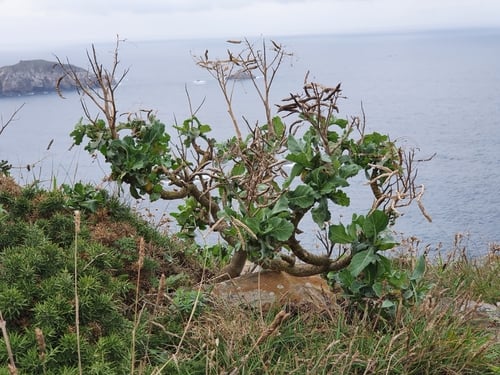
Brassica oleracea var. palmifolia
Jersey kale, Palm-tree kale, Lacinato kale
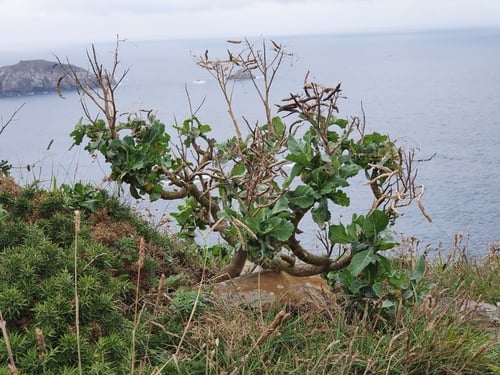
Brassica oleracea var. ramosa
Branching bush kale, Branching cabbage, Perennial kale, Thechri, Thousand-headed kale
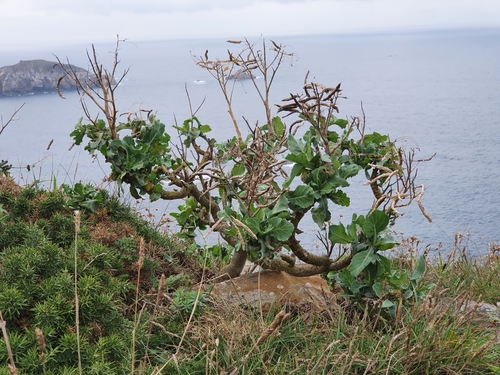
Brassica oleracea var. sabauda
Savoy Cabbage
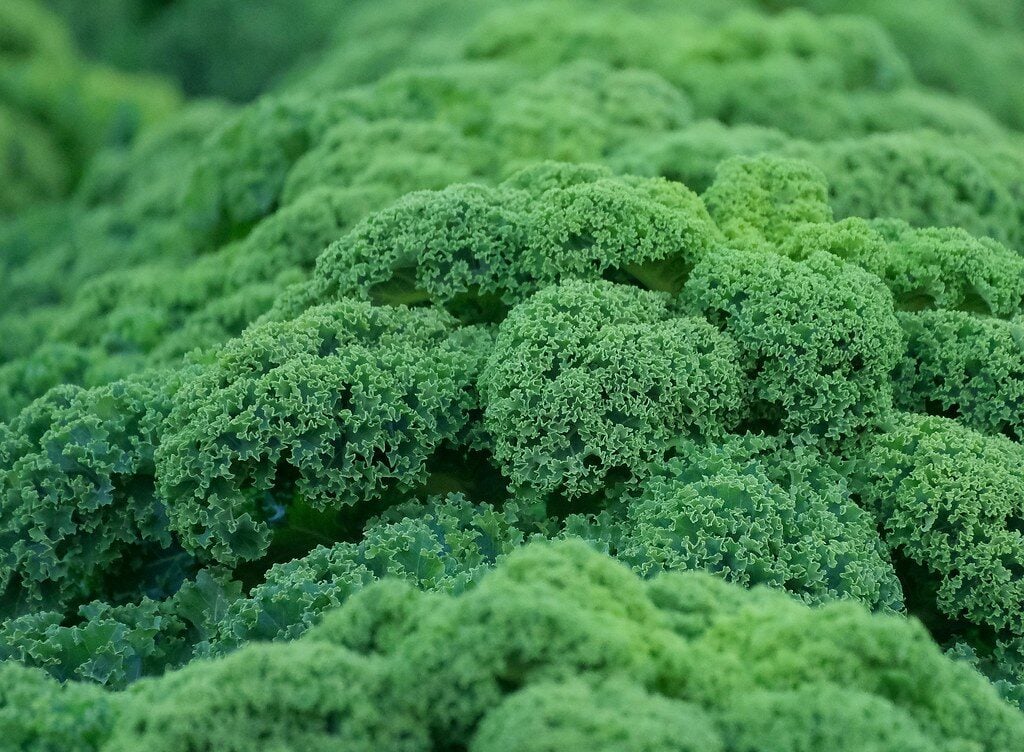
Brassica oleracea var. sabellica
Borecole, Curly kale, Dwarf Siberian kale, Kitchen kale, Portuguese kale
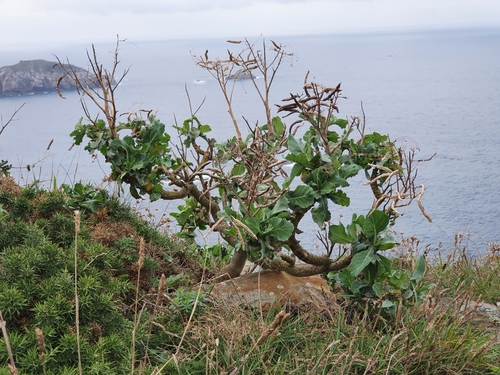
Brassica oleracea var. tronchuda
Portugese cabbage, Couve tronchuda, Galician cabbage, Braganza, Sea-kale cabbage
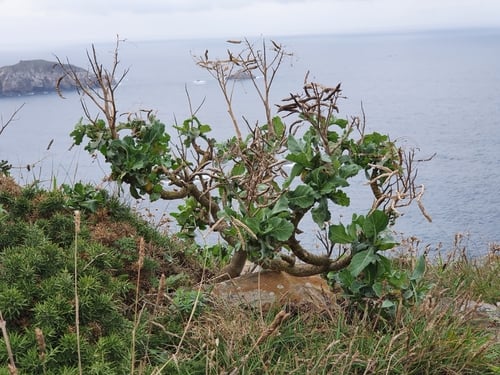
Brassica oleracea var. viridis
Collards, Spring-heading cabbage, Tall kale