Epilobium glabellum
G. Forst.
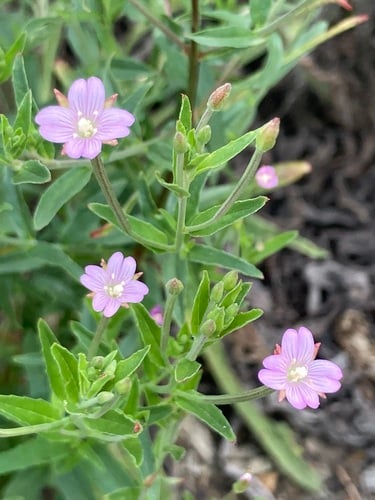
iNaturalist· cc-by-nc
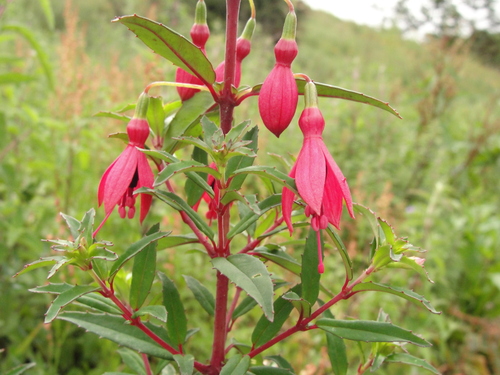
(c) malina_, some rights reserved (CC BY-NC)
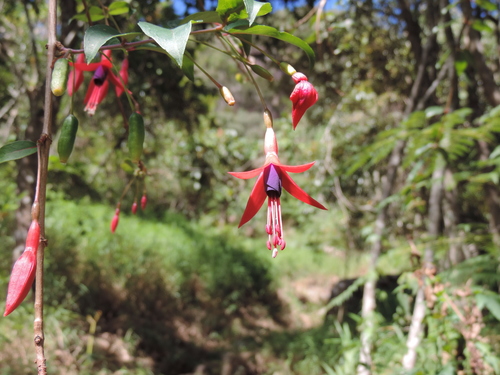
iNaturalist· cc-by-nc
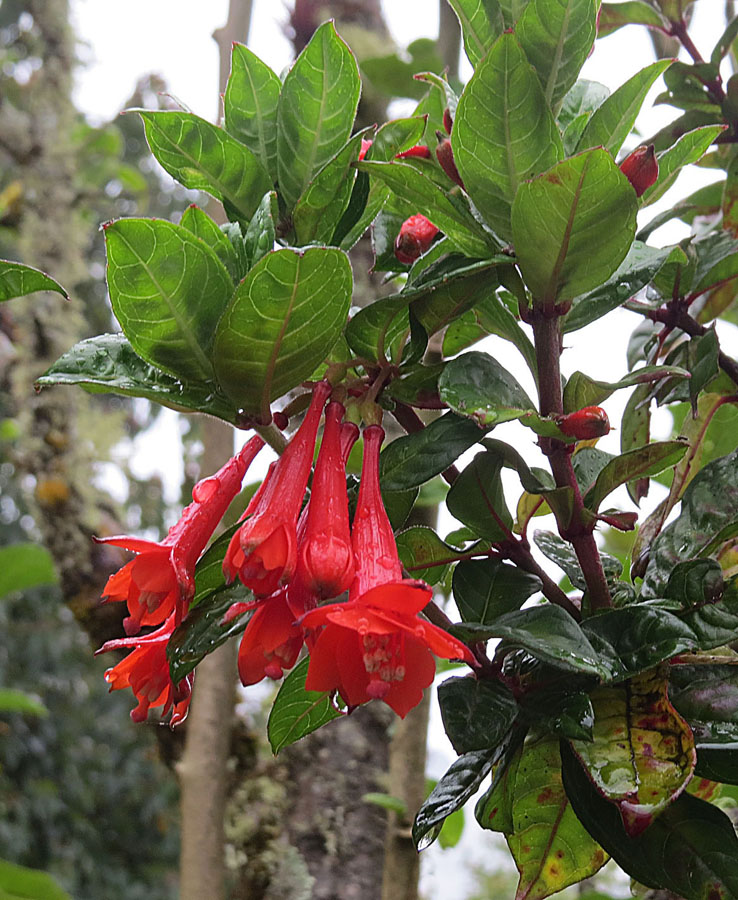
(c) Karl Kroeker, some rights reserved (CC BY-NC), uploaded by Karl Kroeker
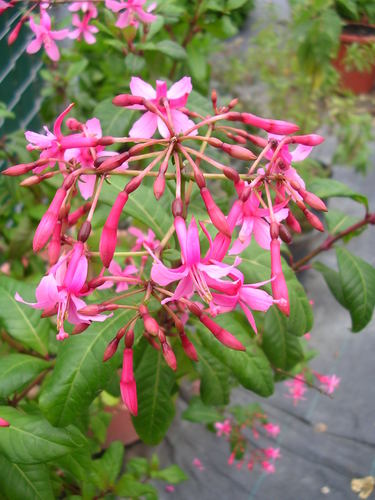
iNaturalist· cc-by-nc
(c) kakariki88, some rights reserved (CC BY-NC)
Summary
Source: WikipediaEpilobium glabellum, or willowherb, is a species of flowering plant, endemic to New Zealand.
Description
A ground cover plant. It grows 30 cm high. It forms clumps. The leaves are mid green and shiny. The flowers are cup shaped and face outwards. They are cream coloured. The flowers occur singly on slender stems.
Edible Uses
Young leaves and shoots are edible cooked.
Medicinal Uses
Treats urinary disorders and acts as a diuretic.
Distribution
A temperate plant.
Where It Grows
Australia, New Zealand,
Cultivation
Prefers a well-drained but moisture retentive soil in a sunny position or in partial shade. Succeeds in most soils. Possibly hardy to about -15°c. Plants are semi-evergreen.
Propagation
Sow seed in early spring in situ, or as soon as it is ripe. Divide in spring or autumn — larger clumps can be replanted directly into permanent positions, though smaller clumps are best potted up and grown on in a cold frame until rooting well, then planted out in spring.
Other Uses
A useful ground cover plant.
Notes
There are about 165 Epilobium species. They are mostly temperate.
References (2)
- Plants for a Future database, The Field, Penpol, Lostwithiel, Cornwall, PL22 0NG, UK. http://www.scs.leeds.ac.uk/pfaf/
- Slocum, P.D. & Robinson, P., 1999, Water Gardening. Water Lilies and Lotuses. Timber Press. p 117