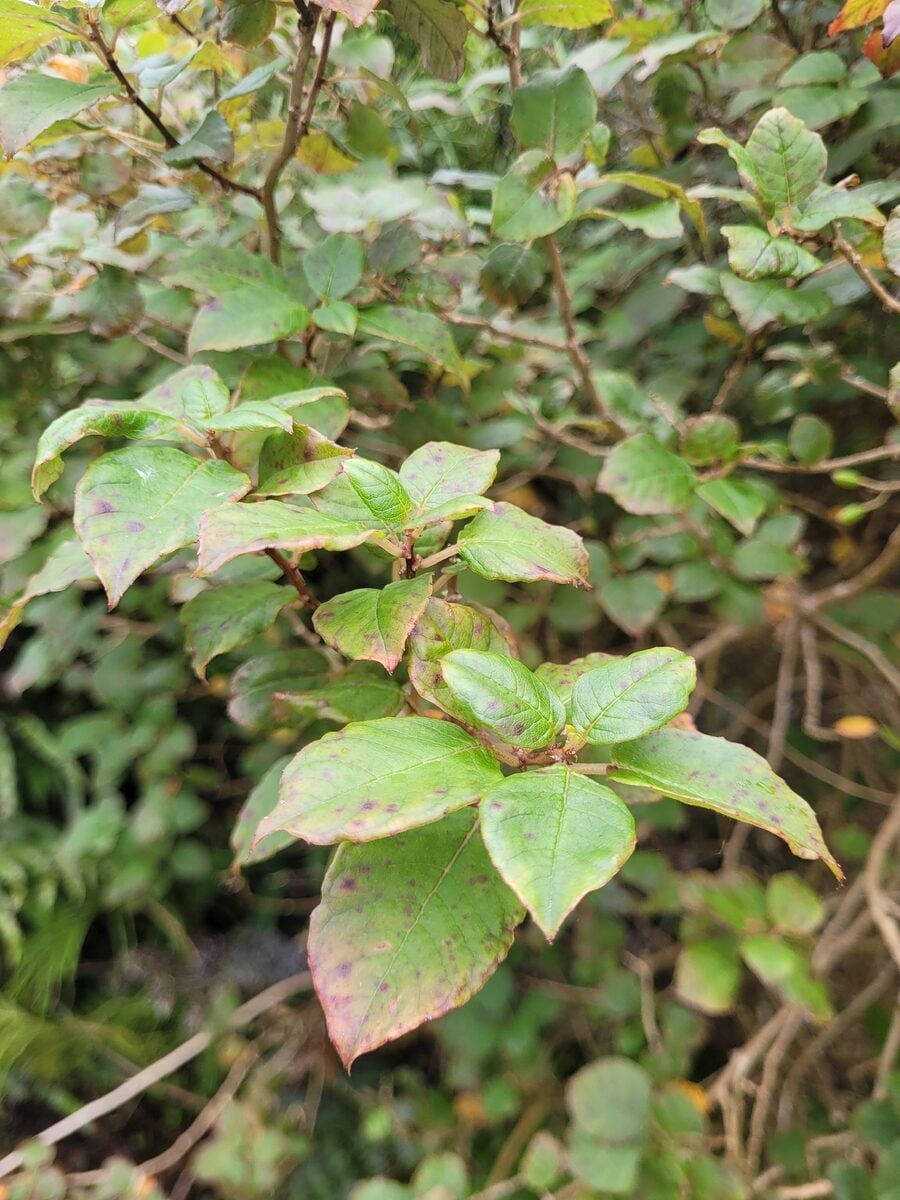
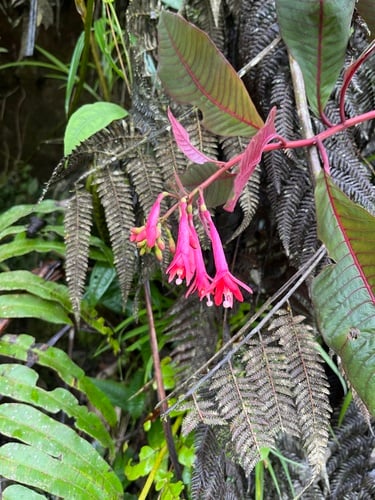
Epilobium canum subsp. latifolium
(Green.) Raven
Hummingbird trumpet
iNaturalist· cc-by-nc
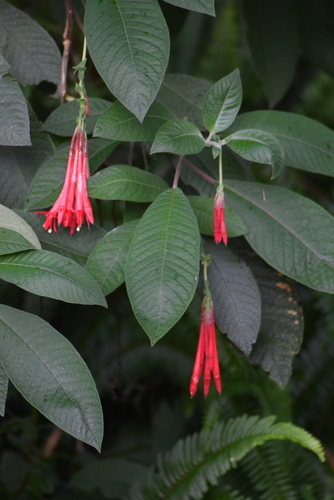
(c) teabbee, some rights reserved (CC BY-NC), uploaded by teabbee
iNaturalist· cc-by
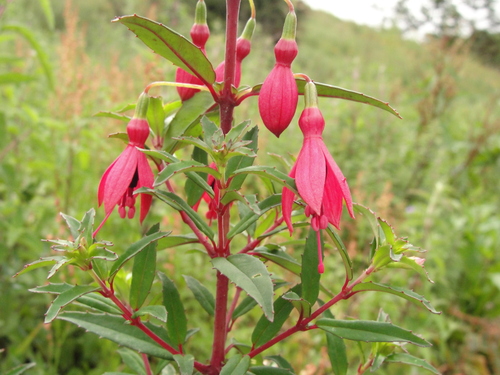
(c) Steve Matson, some rights reserved (CC BY), uploaded by Steve Matson
iNaturalist· cc-by-nc
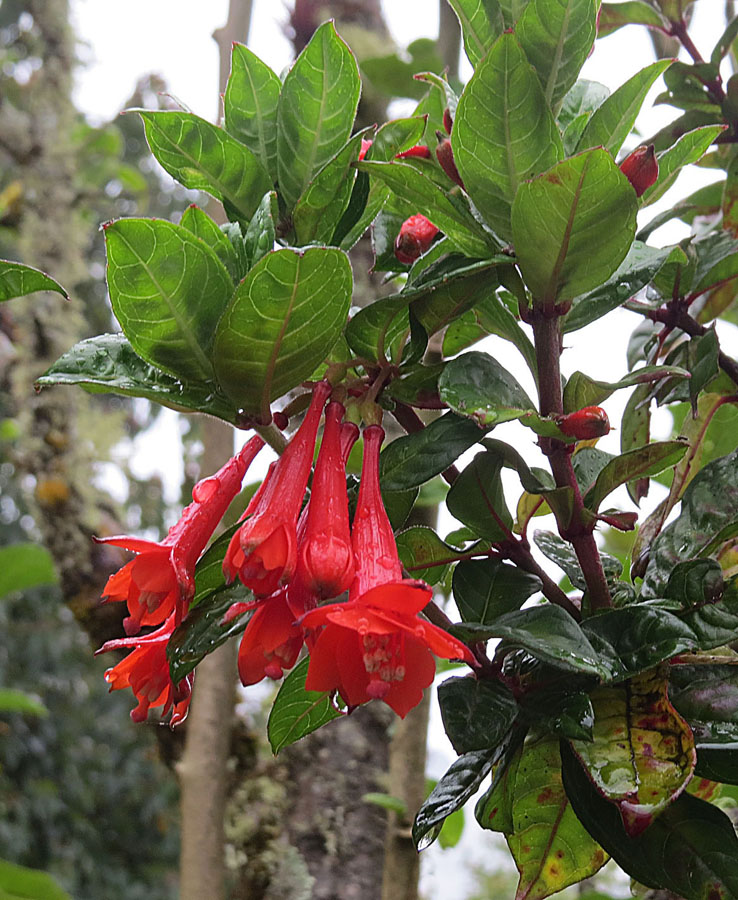
(c) kingsgate, some rights reserved (CC BY-NC)
Summary
Source: WikipediaEpilobium canum, also known as California fuchsia or Zauschneria, is a species of willowherb in the evening primrose family (Onagraceae). It is native to dry slopes and in chaparral of western North America, especially California. It is a perennial plant, notable for the profusion of bright scarlet flowers in late summer and autumn. The name reflects that in the past it used to be treated in a distinct genus Zauschneria, but modern studies have shown that it is best placed within the genus Epilobium. Other common names include California-fuchsia (from the resemblance of the flowers to those of fuchsias), hummingbird flower or hummingbird trumpet (the flowers are very attractive to hummingbirds), and firechalice. The original genus name was in honor of Johann Baptista Josef Zauschner (1737–1799), a professor of medicine and botany in Prague.
Description
A herb. It keeps growing from year to year. It grows 10-50 cm tall. It has spreading hairs. The leaves are opposite and oval. The flowers are large. They have long tube shaped orange red corollas.
Edible Uses
The nectar is sucked directly from the flowers.
Traditional Uses
The nectar is sucked from the flowers.
This uses section is brief — help expand it
Distribution
It is a temperate plant. It grows in dry slopes in forests between 50-3,300 m above sea level.
Where It Grows
Mexico, North America, USA,
Synonyms
References (1)
- Moerman, D. F., 2010, Native American Ethnobotany. Timber Press. p 213