Lilium lancifolium
Thunb.
Tiger Lily, Devil Lily
iNaturalist· cc-by-nc
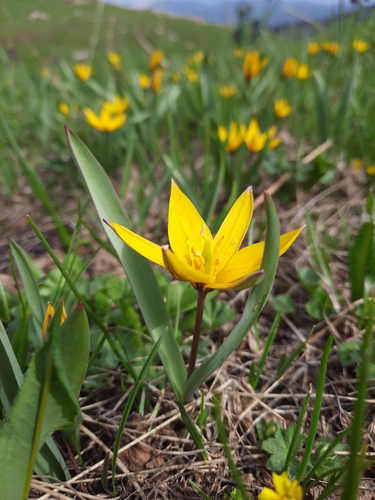
(c) Ed Mallam, some rights reserved (CC BY-NC), uploaded by Ed Mallam
iNaturalist· cc-by-nc
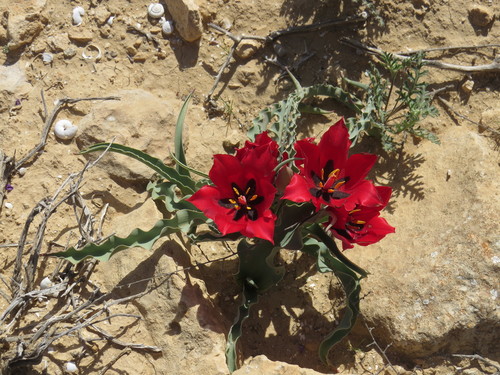
(c) merrymarygardener, some rights reserved (CC BY-NC)
iNaturalist· cc-by-nc
(c) merrymarygardener, some rights reserved (CC BY-NC)
Description
Lilium lancifolium is a BULB growing to 1.2 m (4ft) by 0.3 m (1ft in) at a medium rate. See above for USDA hardiness. It is hardy to UK zone 4. It is in flower from August to September, and the seeds ripen from September to October. The species is hermaphrodite (has both male and female organs) and is pollinated by Bees. The plant is not self-fertile. Suitable for: light (sandy), medium (loamy) and heavy (clay) soils and prefers well-drained soil. Suitable pH: mildly acid, neutral and basic (mildly alkaline) soils. It can grow in semi-shade (light woodland) or no shade. It prefers moist soil.
Edible Uses
Bulb - cooked. Somewhat bitterish. Fairly pleasant, when properly cooked they are highly esteemed as a vegetable and somewhat resemble parsnips in flavour. The bulbs are up to 8cm in diameter. They are a good source of starch. The bulb can be dried and ground into powder. Flowers - raw or cooked. Used fresh or dried in salads, soups, rice dishes etc.
Medicinal Uses
Antiinflammatory Cardiac Carminative Diuretic Emmenagogue Emollient Expectorant Ophthalmic Women's complaints. The bulb is antiinflammatory, diuretic, emmenagogue, emollient and expectorant. They are used to relieve heart diseases, pain in the cardiac region and angina pectoris. They are used in Korea to treat coughs, sore throats, palpitations and boils. The flowers are carminative. They are used to strengthen the eye-lid muscles and are commended in the treatment of myopic astigmatism. A tincture made from the flowering plant, harvested when in full flower, is used in the treatment of uterine neuralgia, congestion, irritation and the nausea of pregnancy. It relieves the bearing-down pain accompanying uterine prolapse and is an important remedy in ovarian neuralgia.
Known Hazards
The pollen is said to be poisonous, producing vomiting, drowsiness and purging.
Distribution
E. Asia - China, Japan, Korea.
Where It Grows
TEMPERATE ASIA: Anhui Sheng, Gansu Sheng, Guangxi Zhuangzu Zizhiqu, Hebei Sheng, Henan Sheng, Hokkaidô, Honshu, Hubei Sheng, Hunan Sheng, Japan, Jiangsu Sheng, Jiangxi Sheng, Jilin Sheng, Korea, Kyushu, Qinghai Sheng, Shaanxi Sheng, Shandong Sheng, Shanxi Sheng, Shikoku, Sichuan Sheng, Xizang Zizhiqu, Zhejiang Sheng,China.
Cultivation
Prefers an open free-draining humus-rich loamy soil with its roots in the shade and its head in the sun. Prefers a lime-free soil according to some reports, whilst one says that it succeeds in a calcareous soil and another that it succeeds in ordinary garden soil. Prefers a deep acid loam. Likes a sunny position according to one report whilst others say that it is best grown in open woodland or amongst dwarf evergreen shrubs. Stem rooting, the bulbs should be planted 15 - 20cm deep. Early to mid autumn is the best time to plant out the bulbs in cool temperate areas, in warmer areas they can be planted out as late as late autumn. Plants grow well in northern gardens in Britain. A sterile triploid species, probably of hybrid origin. A very ornamental plant, it is cultivated for its edible bulb in Japan. This species tolerates virus infections, but it can transmit them to other species in this genus and so is best grown away from any of the other species. The plant should be protected against rabbits and slugs in early spring. If the shoot tip is eaten out the bulb will not grow in that year and will lose vigour.
Propagation
Seed - this species is completely sterile and does not produce seed. Division with care in the autumn once the leaves have died down. Replant immediately. Bulb scales can be removed from the bulbs in early autumn. If they are kept in a warm dark place in a bag of moist peat, they will produce bulblets. These bulblets can be potted up and grown on in the greenhouse until they are large enough to plant out. Bulbils - gather in late summer when they start to fall off the stems and pot up immediately. Grow on in a greenhouse until large enough to go outside. Plants can flower in three years from bulbils.