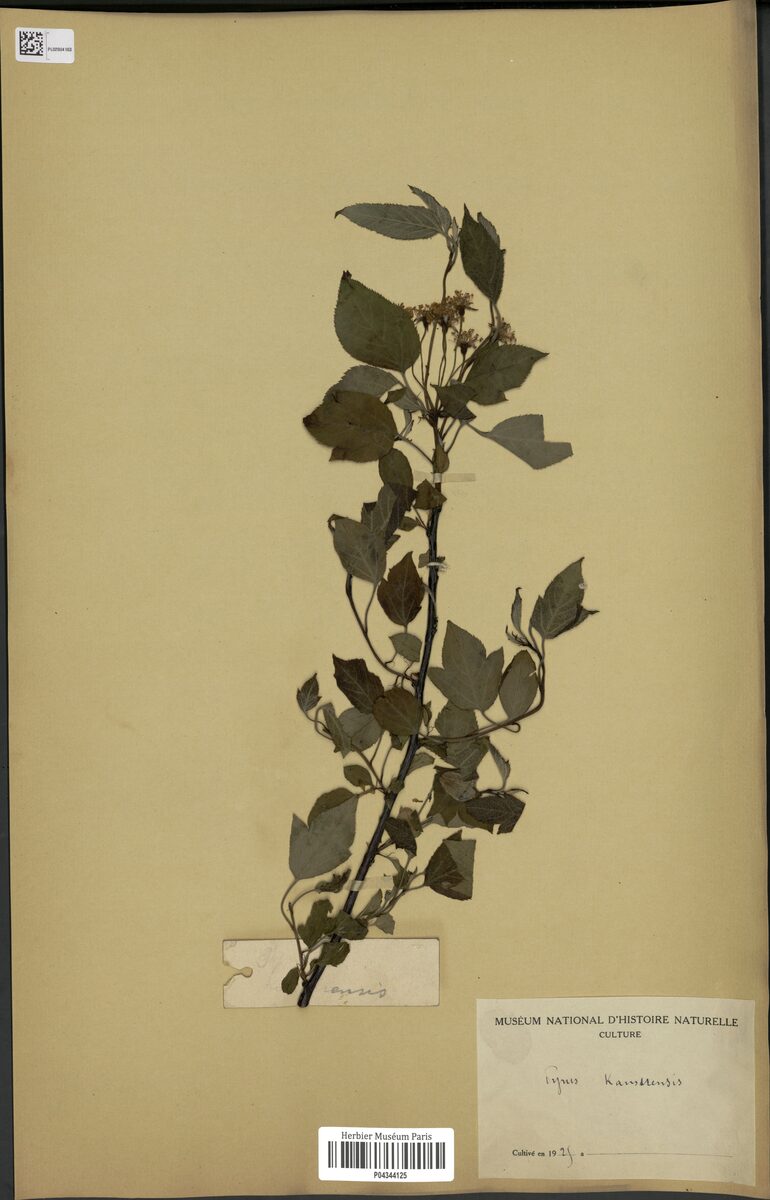
Prunus persica var. nucipersica
(Suckow) C. K. Schneid.
Nectarine
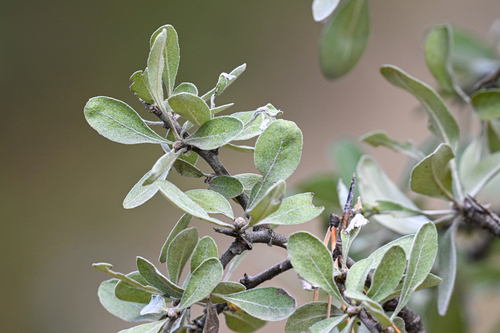
iNaturalist· cc-by-nc
(c) Colleen, some rights reserved (CC BY-NC), uploaded by Colleen
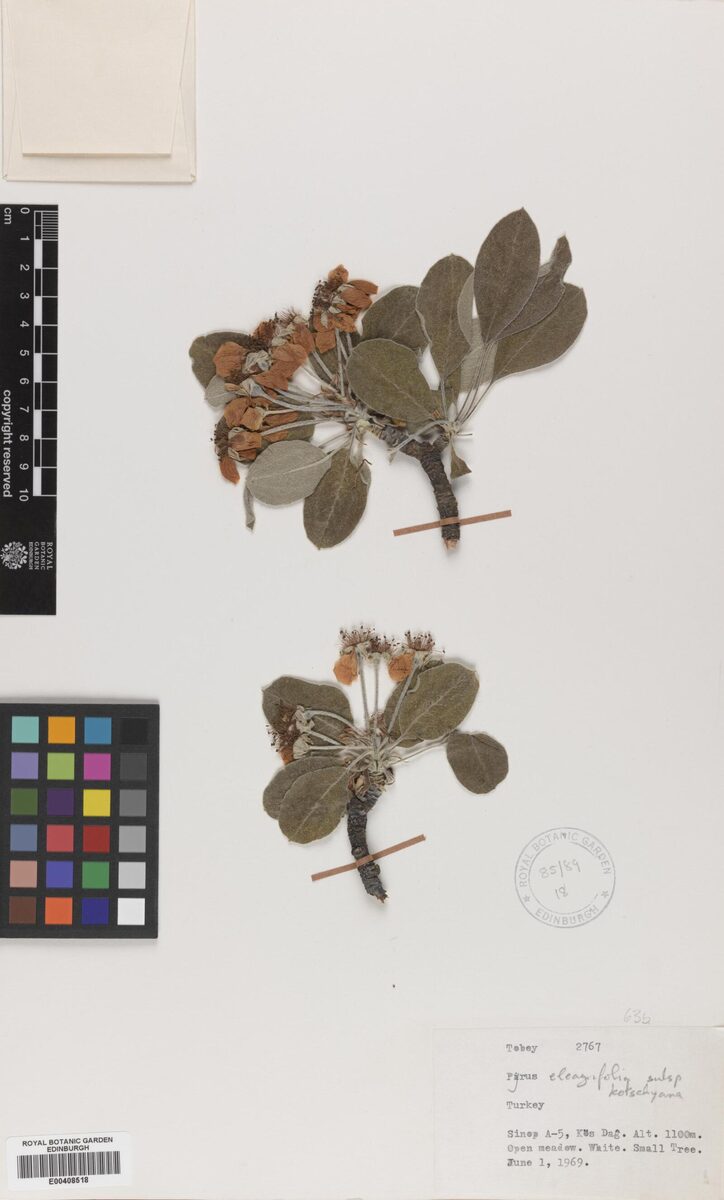
iNaturalist· cc-by-sa
(c) Yair Haklai, some rights reserved (CC BY-SA)
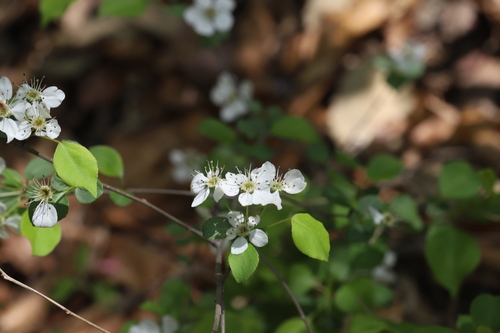
iNaturalist· cc-by-nc
(c) Brent Franklin, some rights reserved (CC BY-NC), uploaded by Brent Franklin
Description
A temperate-zone nectarine cultivar with smooth-skinned fruit, commonly grown in cultivation.
This description is brief — help expand it
Edible Uses
The fruit is eaten fresh. The seeds are also edible.
Traditional Uses
The fruit are eaten fresh.
This uses section is brief — help expand it
Distribution
Temperate.
Where It Grows
Mediterranean, Now Prunus persica
Other Information
It is cultivated.
Notes
There are about 200 Prunus species.
Synonyms
Amygdalus persica var. nectarina AitonAmygdalus persica var. nucipersica SuckowPrunus persica var. nectarina (Aiton) Maxim.
References (6)
- Blamey, M and Grey-Wilson, C., 2005, Wild flowers of the Mediterranean. A & C Black London. p 77
- Ill. Handb. Laubholzk. 1:594. 1906
- Lorenzi, H., Bacher, L., Lacerda, M. & Sartori, S., 2006, Brazilian Fruits & Cultivated Exotics. Sao Paulo, Instituto Plantarum de Estuados da Flora Ltda. p 505
- Plants for a Future, The Field, Penpol, Lostwithiel, Cornwall, PL22 0NG, UK. http://www.scs.leeds.ac.uk/pfaf/
- USDA, ARS, National Genetic Resources Program. Germplasm Resources Information Network - (GRIN). [Online Database] National Germplasm Resources Laboratory, Beltsville, Maryland. Available: www.ars-grin.gov/cgi-bin/npgs/html/econ.pl (10 April 2000)
Show all 6 references Hide references
- Wiersema, J. H. & Leon, B., 2013, World Economic Plants. A Standard Reference CRC Press. 2nd Ed. p 563