Ephedra alata
Decne.
iNaturalist· cc-by-nc
(c) Zaidi, some rights reserved (CC BY-NC)
iNaturalist· cc-by-nc
(c) Zaidi, some rights reserved (CC BY-NC)
iNaturalist· cc-by-nc
(c) Zaidi, some rights reserved (CC BY-NC)
Summary
Source: WikipediaEphedra alata is a species of Ephedra. These plants are perennial and xerophytic gymnosperm shrubs.
Description
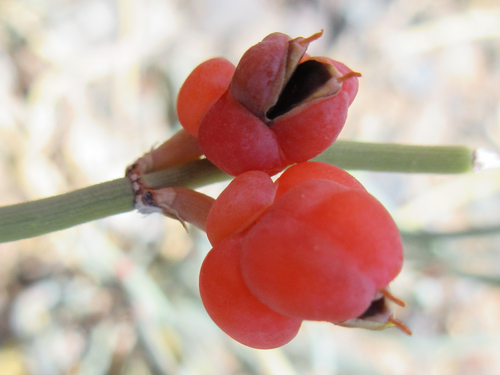
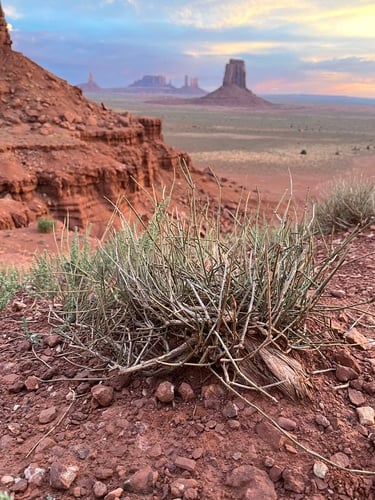
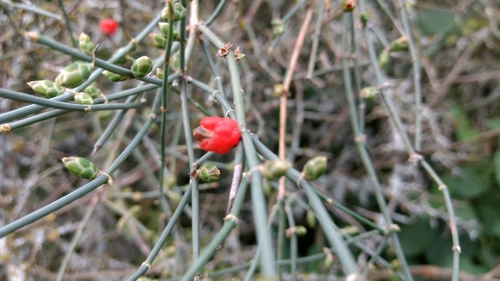
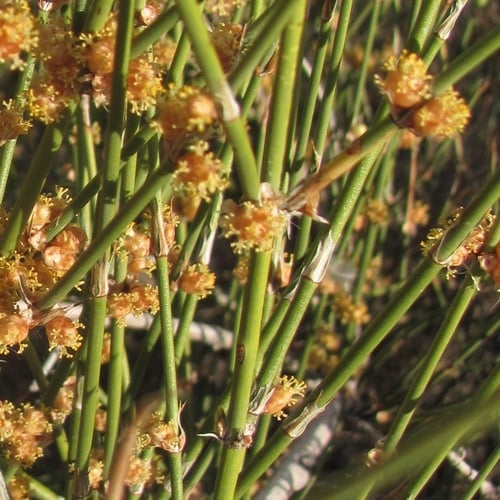
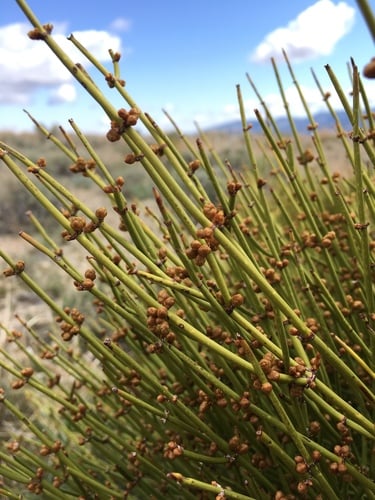
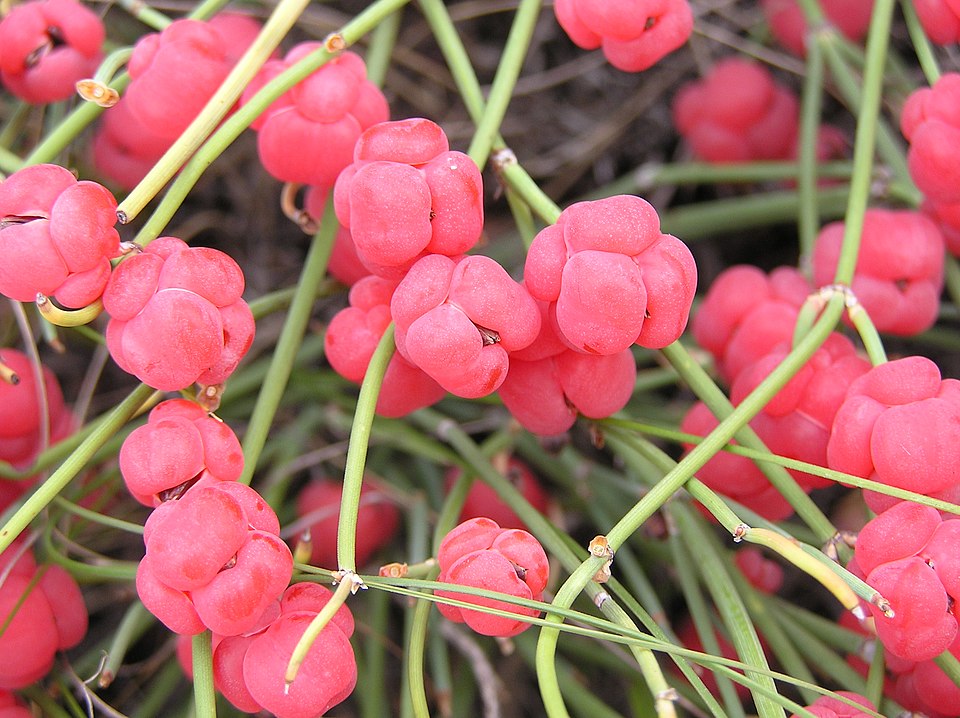
A shrub. It grows 1 m tall. The stems are rigid and branched. The leaves are 3-6 mm long and united towards the base of the plant. They are opposite and with 2 at each node. They are thick scale leaves. There are male cones in clusters. They are oval and 3-8 mm long. The female cones are at the nodes of the stems.
Medicinal Uses
Ephedra alata is used for medicinal purposes. The stem of this plant contain alkaloid ephedrine which is a medicine used for the treatment of asthma and other respiratory ailments. Other chemicals are also present in the plant that are used for medicines. These medicines are used to treat circulatory disorders, kidney disorders, digestive system disorders and eye disorders. The stems and roots of this species is also used for it fibrous characteristic to make string, cords and twine. These portions may also be used for tannins, used in the process of dying or tanning materials. These plants are used for dye by grinding the plant portion, and placing the ground plant portions, with the desired dyed material in boiling water for 1–3 days. These plants are also used for consumption by animals such as camelidae, bovines and caprines.
Known Hazards
Contains ephedrine; caution advised regarding the fruit.
Distribution
It is a Mediterranean climate plant. It grows in deserts.
Where It Grows
Africa, Algeria, Cyprus, Egypt, Israel, Kuwait, Mediterranean, Middle East, Morocco, North Africa, Sahara, Somalia,
Notes
There are about 40-60 Ephedra species. It is used as medicine. It contains ephedrine.
Also Known As
Canoole
References (2)
- Ann. Sci. Nat. Bot. ser. 2, 2:239. 1834
- Jardin, C., 1970, List of Foods Used In Africa, FAO Nutrition Information Document Series No 2.p 135