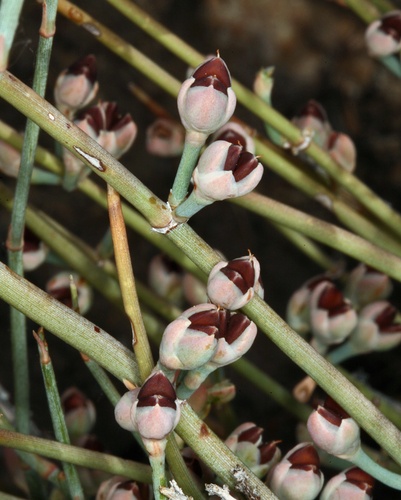
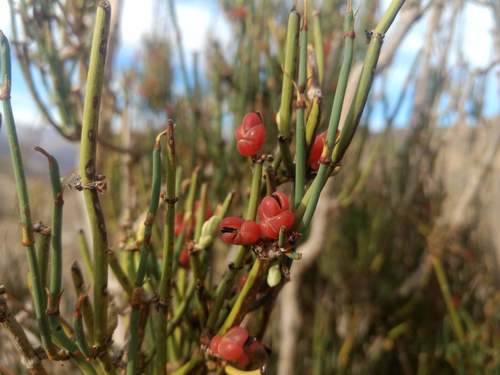
Ephedra chilensis
K. Presl.
Sulupe rojo, Caman, Cuparra
iNaturalist· cc-by-sa
(c) Tony Rebelo, some rights reserved (CC BY-SA), uploaded by Tony Rebelo
iNaturalist· cc-by-sa
(c) Nicolás Villaseca Merino, some rights reserved (CC BY-SA)
Summary
Source: WikipediaEphedra chilensis, also known as pingo-pingo, is a species of plant in the division Gnetophyta. It is native to Chile, Argentina, Bolivia and Peru. In Chile, it is distributed between the Arica and Parinacota region and the Araucania region.
Description
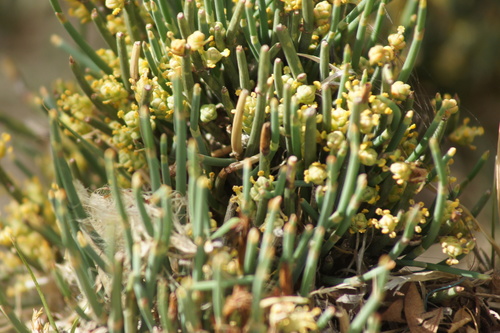
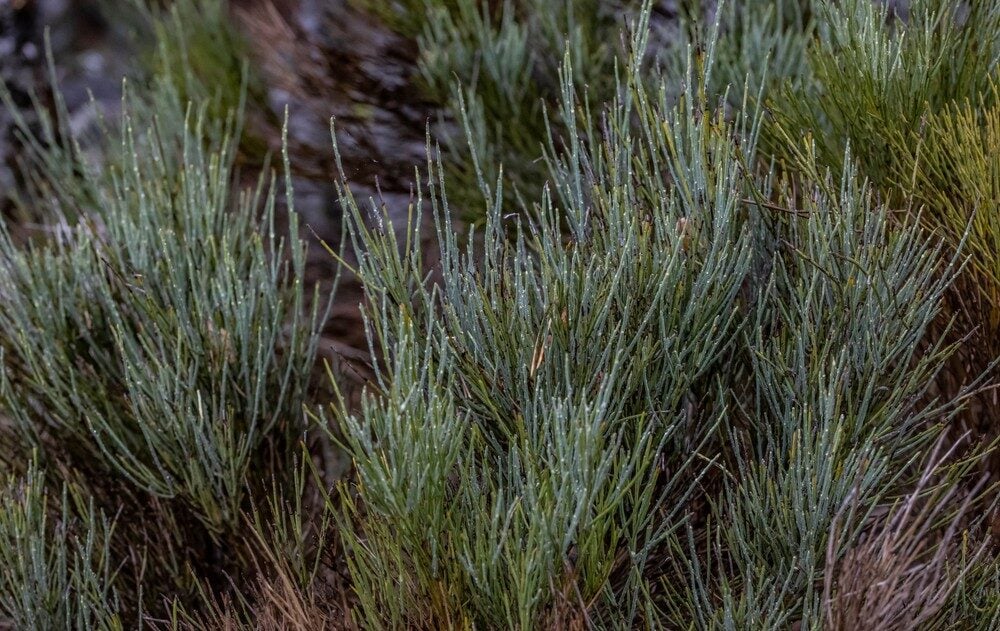
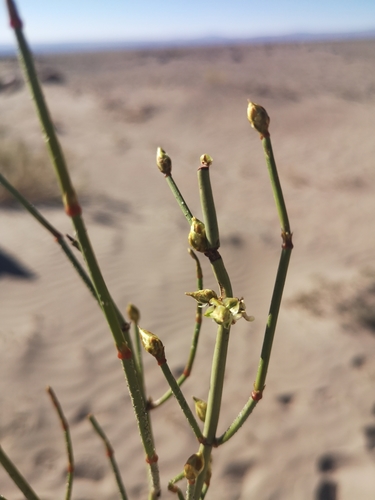
A shrub. It grows 100 cm high. The branches are 1-3 mm across. The leaves are not easily seen. The flowers are green.
This description is brief — help expand it
Edible Uses
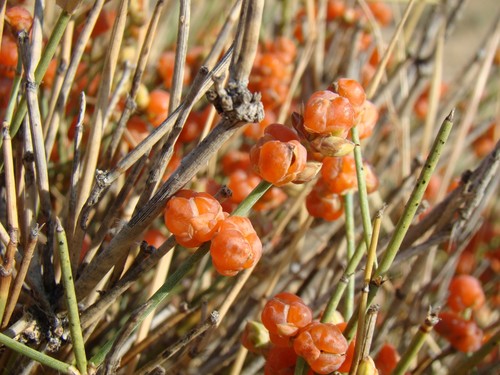
The fruit are eaten raw.
Traditional Uses
The fruit are eaten raw.
This uses section is brief — help expand it
Distribution
It is a temperate plant. It grows in Andean forest and Patagonian steppe in Argentina. In Chile it grows from 500 m to above 2,000 m above sea level. In Argentina it grows from sea level to 3,000 m above sea level. It grows in drier are with a winter rainfall of 400-800 mm. It grows in full sun. It suits hardiness zone 7. It can tolerate frost and snow.
Where It Grows
Argentina, Chile, South America,
Also Known As
Pingo-pingo, Pinku-pinku, Solupe, Sulupe, Transmontana
References (4)
- Chamorro, M. F., & Ladio, A., 2020, Native and exotic plants with edible fleshy fruits utilized in Patagonia and their role as sources of local functional foods. BMC Complementary Medicine and Therapies. 20:155
- Cordero, S. E., Abello, L. A., & Galvez, F. L., 2017, Plantas silvestres comestibles y medicinales de Chile y otras partes del mundo. CORMA p 59
- Ladio, A. H., 2001, The Maintenance of Wild Edible Plant Gatherings in a Mapuche Community of Patagonia. Economic Botany, Vol. 55, No. 2, pp. 243-254
- www.chileflora.com