Annona vepretorum
Mart.
Araticum, Pinha da Caatinga, Araticum-da-bahia
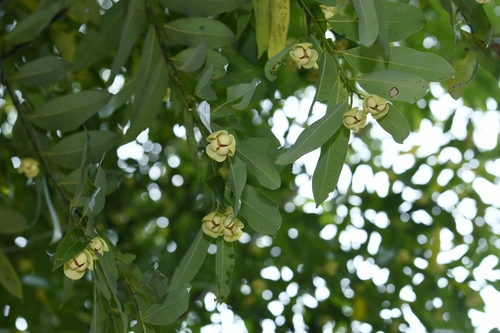
iNaturalist· cc-by-nc
(c) Lucas C. Marinho, some rights reserved (CC BY-NC), uploaded by Lucas C. Marinho
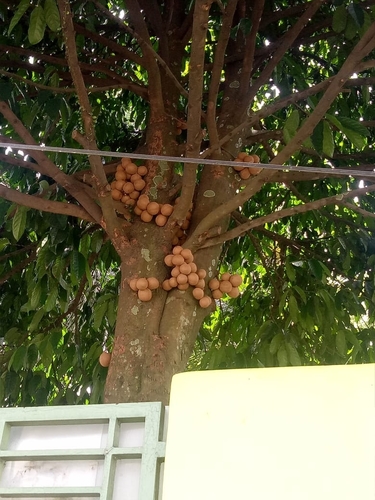
iNaturalist· cc-by-nc
(c) Christian Grenier, some rights reserved (CC BY-NC), uploaded by Christian Grenier
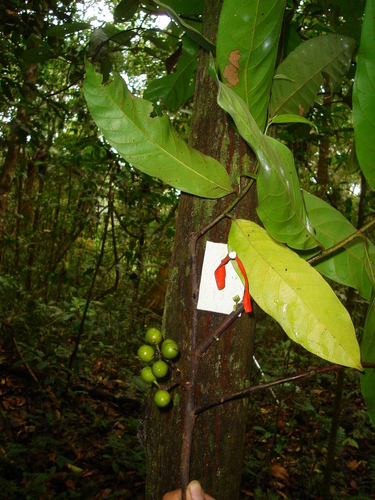
iNaturalist· cc-by
(c) Francisco Farriols Sarabia, some rights reserved (CC BY), uploaded by Francisco Farriols Sarabia
Description
Annona vepretorum is an evergreen Tree growing to 6 m (19ft) by 6 m (19ft) at a slow rate. See above for USDA hardiness. It is hardy to UK zone 10. The plant is self-fertile. It is noted for attracting wildlife. Suitable for: light (sandy), medium (loamy) and heavy (clay) soils, prefers well-drained soil and can grow in nutritionally poor soil. Suitable pH: mildly acid, neutral and basic (mildly alkaline) soils and can grow in very alkaline soils. It cannot grow in the shade. It prefers dry soil and can tolerate drought.
Edible Uses
Fruit - raw. The gelatinous pulp has a pleasant, acid-sweet flavour. The fruit can be 10cm long, 6cm in diameter and weigh 250 - 350g.
Medicinal Uses
The softened fruits are used to treat snake bites, bee stings, inflammatory conditions and heart pain. The leaves are used to treat a number of conditions.
Distribution
S. America - northeastern Brazil.
Where It Grows
SOUTHERN AMERICA: Brazil, Bahia,
Cultivation
A plant of the 'Caatinga' dry forest region of northeast Brazil. The climate is hot and dry, there are usually 6 to 11 months without rain each year. The mean annual rainfall varies from 250 - 1,000mm, and the mean annual temperature is from 24 - 26c. Prefers a sunny position. Prefers a light, well-drained soil. Established plants are drought tolerant. Plants are quite slow-growing.
Propagation
Seed - it has a very hard outer layer and germinates much more easily if scarified. This can usually be done by pouring a small amount of nearly boiling water on the seeds (being careful not to cook them!) and then soaking them for 12 - 24 hours in warm water. By this time they should have imbibed moisture and swollen - if they have not, then carefully make a nick in the seedcoat (being careful not to damage the embryo) and soak for a further 12 hours before sowing. Sow the seeds in individual containers in a lightly shaded position. Germination rates, even of scarified seeds, can be quite low, with the seeds sprouting within 80 - 120 days.
Other Uses
Containers Wood. Other uses rating: Medium (3/5). Cherimoya can be used in agroforestry systems as a fruit tree. It provides shade and can be integrated into diverse cropping systems. Heartwood and sapwood are not clearly differentiated. The wood is light in weight, of low resistance to insect attack. Easily sawn, it is only used for low value items such as sawn boards and general packing containers.
Synonyms
Also Known As
Araticum-da-bahia. Annona vepretorum.