Artabotrys monteiroae
Oliv.
Hook-berry bush, Red hook-berry
iNaturalist· cc-by-nc
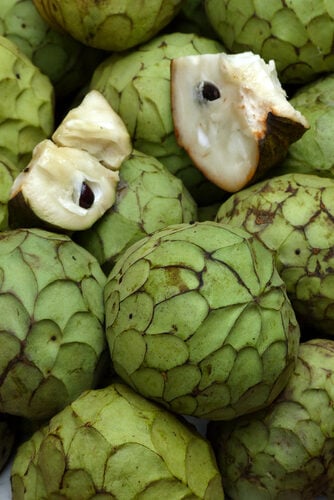
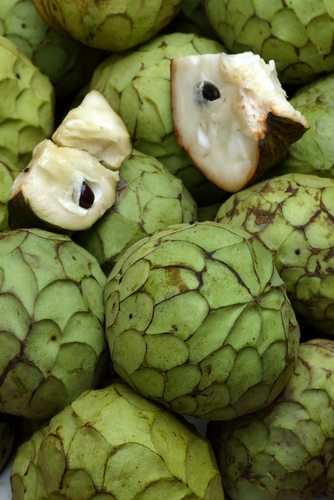
(c) magdastlucia, some rights reserved (CC BY-NC), uploaded by magdastlucia
iNaturalist· cc-by-nc
(c) magdastlucia, some rights reserved (CC BY-NC), uploaded by magdastlucia
iNaturalist· cc-by-nc
(c) magdastlucia, some rights reserved (CC BY-NC), uploaded by magdastlucia
Description
A large creeper or a tree. It can grow 6 m tall. It has hooked woody tendrils. The branches are reddish-brown. The leaves are 3-14 cm long by 2-6 cm wide. They are oval and wedge shaped at the base. There are 1-9 flowers are short stalks. The petals are yellow. The fruit carpels are 1-1.5 cm long by 0.8 cm wide. They have 2 seeds.
Edible Uses
The fruit are eaten as a snack.
Traditional Uses
The fruit are eaten as a snack.
This uses section is brief — help expand it
Distribution
It is a tropical plant. It is mostly in mid altitudes and mountain regions. It grows in rainforest. It suits humid locations. In Malawi it grows between 600-2,200 m altitude.
Where It Grows
Africa, Angola, Central Africa, Congo, East Africa, Eswatini, Ethiopia, Malawi, Mozambique, South Africa, Southern Africa, Swaziland, Tanzania, Uganda, Zambia, Zimbabwe,
Synonyms
Also Known As
Munnamutswu, Rooihaakbessie, Umazwenda
References (7)
- Flora Zambesiaca. http://apps.kew.org/efloras
- Fowler, D. G., 2007, Zambian Plants: Their Vernacular Names and Uses. Kew. p 8
- Long, C., 2005, Swaziland's Flora - siSwati names and Uses http://www.sntc.org.sz/flora/
- Magwede, K., van Wyk, B.-E., & van Wyk, A. E., 2019, An inventory of Vhavenḓa useful plants. South African Journal of Botany 122 (2019) 57–89
- Ruiters-Welcome, A. K., 2019, Food plants of southern Africa. Ph.D. thesis. Univ. of Johannesburg p 18
Show all 7 references Hide references
- Welcome, A. K. & Van Wyk, B.-E., 2019, An inventory and analysis of the food plants of southern Africa. South African Journal of Botany 122 (2019) 136–179
- White, F., Dowsett-Lemaire, F. and Chapman, J. D., 2001, Evergreen Forest Flora of Malawi. Kew. p 127