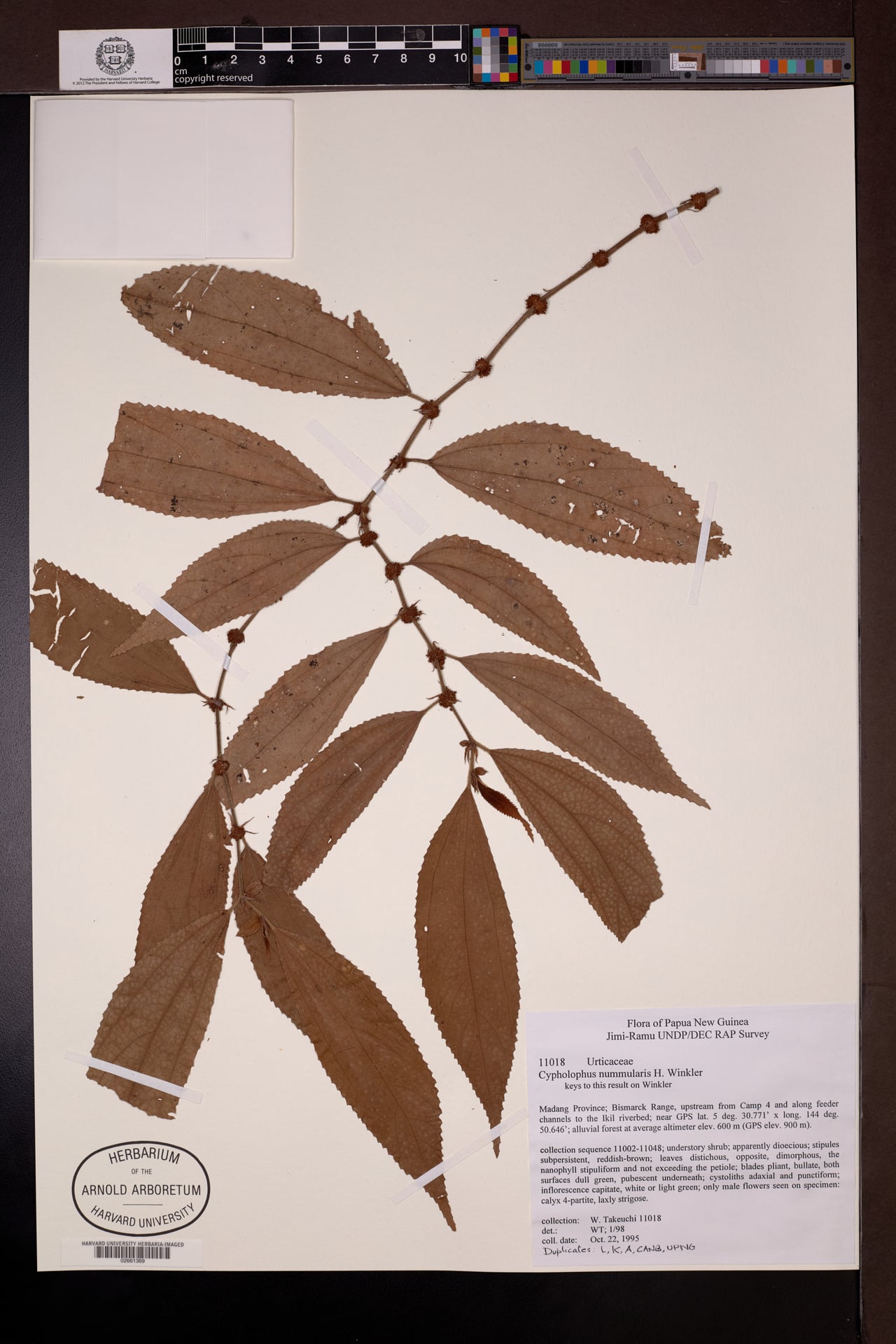
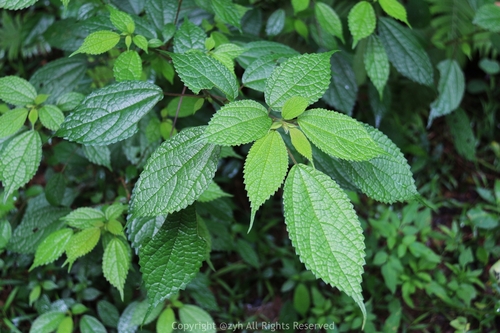
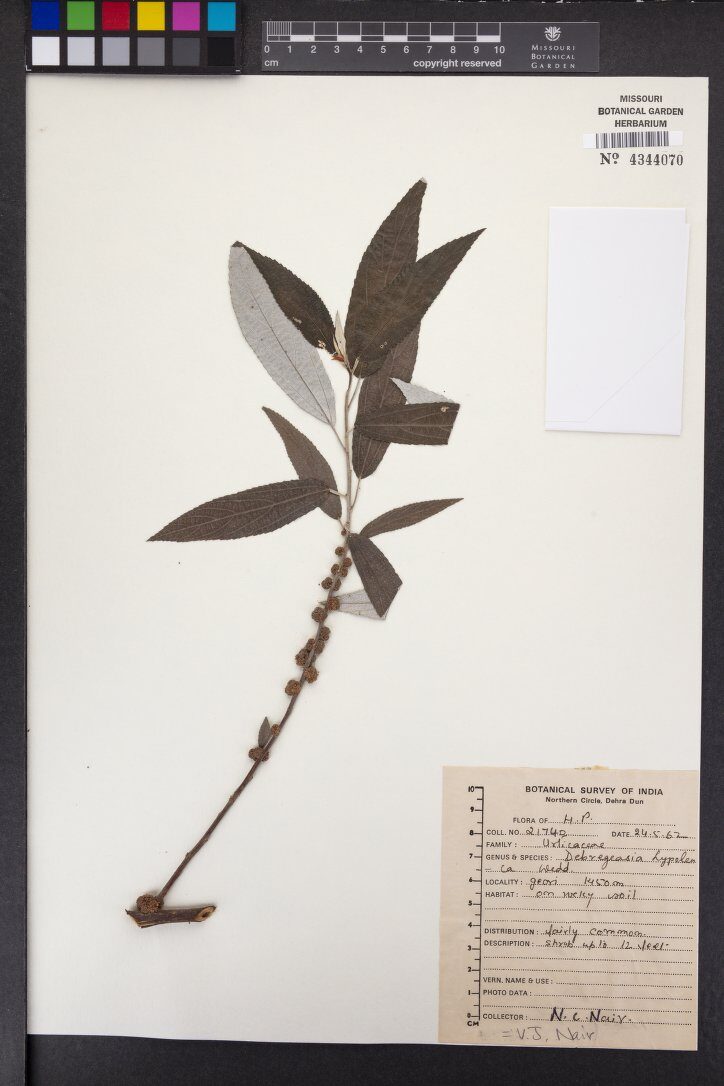
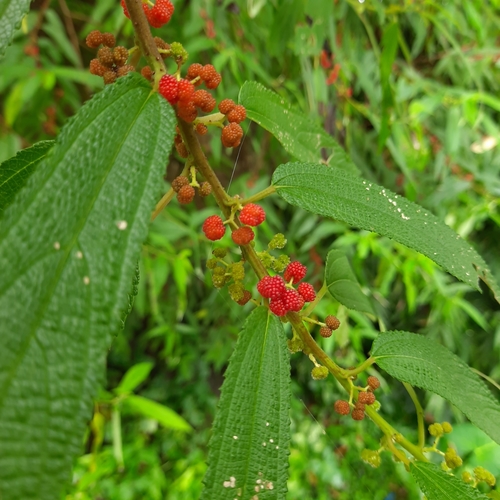
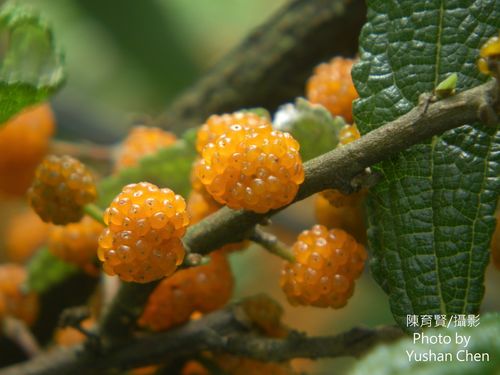
Elatostema cuneatum
Wight
iNaturalist· cc-by-nc
(c) Shiwalee Samant, some rights reserved (CC BY-NC), uploaded by Shiwalee Samant
iNaturalist· cc-by-nc
(c) 王錦堯(Ong Jin Yao), some rights reserved (CC BY-NC)
Summary
Source: WikipediaA low-growing annual reaching 20cm tall, flowering June to July. Dioecious species requiring both male and female plants for seed production. Tolerates light sandy, medium loamy, and heavy clay soils. Grows in mildly acid, neutral, and basic alkaline soils. Adapts to semi-shade and prefers consistently moist soil.
Description
A herb. It keeps growing from year to year. The stems are unbranched and can be 25 cm tall. It does not have stinging hairs. Male and female flowers are on separate plants.
Edible Uses
Young leaves are edible when cooked.
Traditional Uses
The young leaves are cooked and eaten. They are leached.
This uses section is brief — help expand it
Medicinal Uses
None known.
Known Hazards
Unlike many other plants in the nettle family (Urticaceae), plants in this genus do not have stinging hairs.
Distribution
It is a tropical plant. It grows in shaded places in the lowlands. It also grows between 1,200-1,400 m above sea level in southern China. And to 1,600 m above sea level in Northeastern India. In Yunnan.
Where It Grows
Asia, China, Himalayas, India, Indochina, Indonesia, Japan, Korea, Laos, Myanmar, Northeastern India, SE Asia, Sikkim, Vietnam,
Cultivation
We have very little information on this species but it should succeed as a spring-sown annual in Britain. It is likely to require a shady position. Plants are dioecious - male and female plants must be grown if seed is required.
Propagation
Sow seed in spring in situ.
Other Uses
None known.
Notes
There are about 200 Elatostema species.
Synonyms
Also Known As
Chulukpa
References (4)
- Fern, K., 2012, Tropical Species Database http://theferns.info/tropical/
- Flora of China @ efloras.org Volume 5
- Plants for a Future database, The Field, Penpol, Lostwithiel, Cornwall, PL22 0NG, UK. http://www.scs.leeds.ac.uk/pfaf/ (As Elatostema densiflorum)
- Tsering, J., et al, 2017, Ethnobotanical appraisal on wild edible plants used by the Monpa community of Arunchal Pradesh. Indian Journal of Traditional Knowledge. Vol 16(4), October 2017, pp 626-637