Durio zibethinus
Murray
Durian
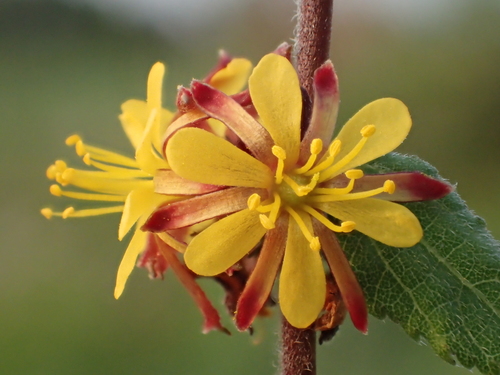
iNaturalist· cc-by-nc
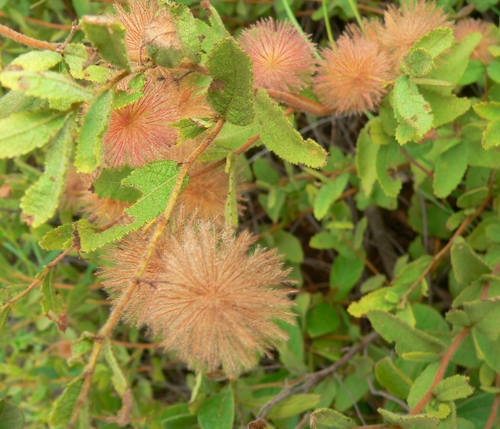
(c) Lynette, some rights reserved (CC BY-NC), uploaded by Lynette
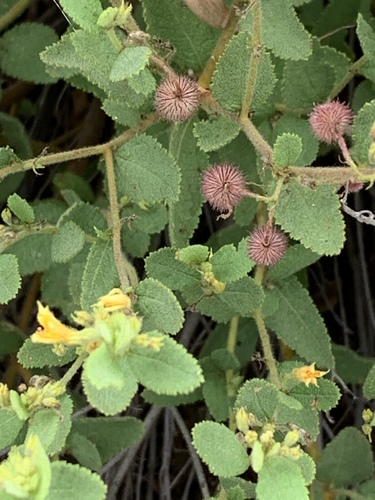
iNaturalist· cc-by-nc
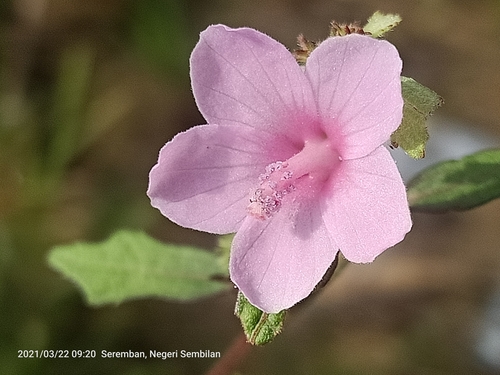
(c) Nick Wilde, some rights reserved (CC BY-NC)
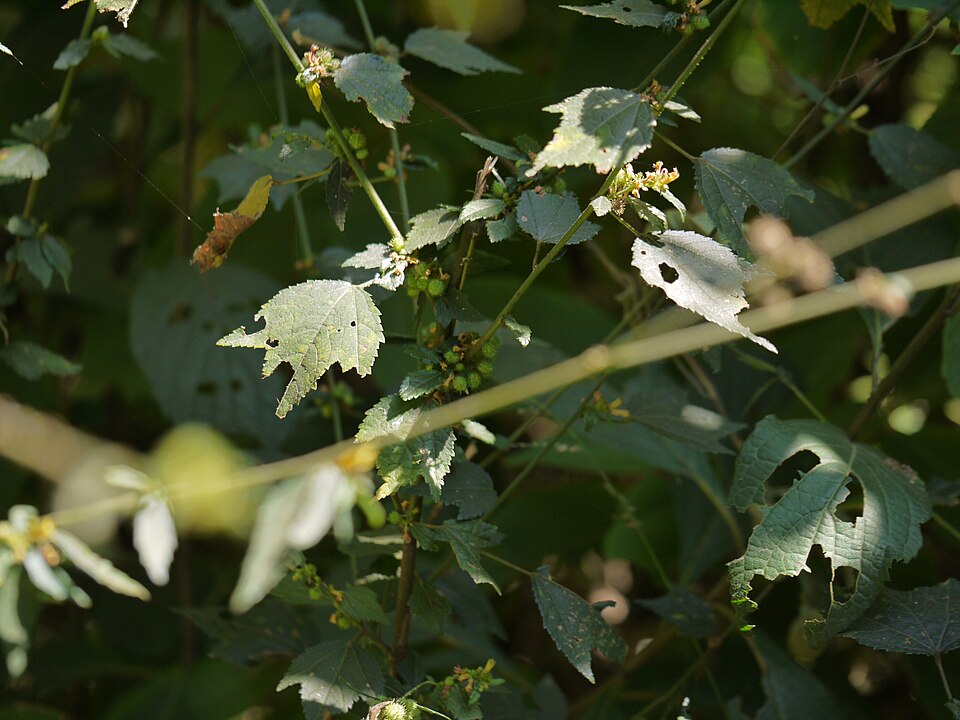
iNaturalist· cc-by-nc
(c) Nick Wilde, some rights reserved (CC BY-NC)
Summary
Source: WikipediaDurio zibethinus is the most common tree species in the genus Durio, commonly known as durian and has edible fruits by the same name. As with most other durian species, the edible flesh emits a distinctive odour that is strong and penetrating even when the husk is intact. Some people regard the durian as having a pleasantly sweet fragrance; others find the aroma overpowering and revolting. The persistence of its odour has led to the fruit's banishment from certain hotels and public transportation in Southeast Asia. There are 30 recognised Durio species, at least nine of which produce edible fruit. D. zibethinus is the only species available in the international market: other species are sold in their local regions. There are hundreds of cultivars of D. zibethinus; many consumers express preferences for specific cultivars, which fetch higher prices in the market.
Description
A large evergreen tree up to 30-50 m high and with buttresses. The bark is dark red-brown and rough and peels off irregularly. The leaves are alternate and oval. They are about 10 to 15 cm long and 3 to 5 cm wide. The upper surface is smooth and shiny and the midrib is sunken. The lower surface is covered with silver scales. The flowers are on the older branches and form bunches of flowers where the lower flower stalks are longer. They have 3 to 30 flowers on a main stalk up to 5 cm long. The fruit are green to yellow, fat and up to 25 cm long by 20 cm wide. They have sharp spines over the surface. The seeds are completely covered with a yellowish soft very sweet seed covering. The fruit drop unopened. As the fruit ripens it splits open naturally into 3-5 sections which have large seeds embedded in a yellow coloured pulp. The seeds are oval and 4-5 cm long by 2.5-3.5 cm wide.
Edible Uses
The fruit can be eaten raw or cooked as a vegetable. Ripening fruit produces a strongly unpleasant aroma — similar to a sewage works on a hot day — but the flesh has a delicious flavour likened to pineapple with cream cheese, or a mixture of banana, caramel and vanilla with a hint of onion. Fruits can reach 25cm or more in diameter and weigh several kilos. Ripe fruits deteriorate rapidly, so the best quality fruit is allowed to ripen on the tree. The seeds are boiled or roasted and eaten like nuts. Flower petals, young leaves, and shoots are also edible.
Traditional Uses
The flesh around the seeds is eaten. Fruit need to be eaten within 2 days of falling from the tree. Fruit should only be opened at time of eating as the flesh goes sour. The unripe fruit can be cooked as a vegetable. Fruit are also processed for ice-creams and desserts. The seeds are edible, usually cooked. The young leaves and shoots can be cooked and eaten. The raw fruit is used as a vegetable or in soups.
Medicinal Uses
The fruit is used as an aphrodisiac.
Known Hazards
Seed is poisonous if ingested
Distribution
A tropical plant. A tree of the humid tropics preferably below 300 m altitude but they may grow up to about 800 m above sea level in the equatorial tropics. Trees are mainly within 15° latitude of the equator. They need plenty of soil moisture and a rich soil. For a tropical tree it can tolerate cooler temperatures down to 23°C and can tolerate temperatures up to 46°C. A rainfall of over 2000 mm evenly distributed throughout the year is best. A drier period during flowering is beneficial. Poorly drained or sandy soil are not suitable. It can grow well in acid soils with pH 5-6.5. In the Philippines they occur from Davao to Butuan and central Mindanao. It suits hardiness zone 12.
Where It Grows
Africa, Asia, Australia, Bougainville, Brazil, Cambodia, Central America, China, Cook Islands, Cuba, Dominica, East Africa, Fiji, French Polynesia, FSM, Hawaii, Honduras, India, Indochina, Indonesia*, Jamaica, Laos, Malaysia*, Mexico, Myanmar, Northeastern India, Pacific, Papua New Guinea, PNG, Philippines, Pohnpei, Puerto Rico, SE Asia, Singapore, Solomon Islands, South America, Sri Lanka, Tahiti, Tanzania, Thailand, Timor-Leste, Trinidad, USA, Vanuatu, Vietnam, West Indies, West Papua,
Cultivation
Trees grow readily from seed. Seeds need to be fresh. Seeds germinate in about 3 days and can be transplanted in about 4 weeks. Seeds do not breed true. Trees fruit about 7 years after planting. Trees can be grown by budding or grafting. A spacing of at least 14 m between plants is needed. Grafted trees seldom reach 20 m height. Heavy mulching near the trunk can help patch canker (Phytophthora palmivora) to develop. Trees should be pruned and shaped for uniform branching and by topping to reduce excessive growth and give optimum production.
Propagation
Seed is best sown as soon as it is ripe in containers at 22°c, though it can also be sown directly into its permanent position. Seedling trees begin bearing fruit in around 7 years. Seeds are recalcitrant and lose viability within 2 weeks. The plant can also be propagated by grafting.
Other Uses
The heartwood is dark red and the wood is coarse but relatively durable, used in interior construction and for making cheaper furniture and packing cases. The wood and dried fruit rind are used as fuel. More broadly, wood from this genus is pink-brown, red, or deep red-brown, not always clearly distinguished from the white to light reddish-yellow sapwood. The texture is coarse, the grain straight to interlocked, somewhat lustrous, and reportedly foetid in odour. The wood is not durable and is not resistant to termite attack; the sapwood is prone to powder-post beetle attack. It dries rapidly, though thin boards may cup. The wood saws easily and generally dresses smoothly with good nailing qualities. Uses include furniture components, veneer and plywood, and light construction.
Production
Grafted trees can produce in 4-5 years but seedling trees take 10 years. Flowers are cross pollinated by bats. Normally flowers cannot self pollinate. Flowers open in the afternoon and fall by next morning. Up to 50 fruit can be produced per tree per year. Between 0 and 400 fruit can grow on one tree and this varies with season. Fruit can be up to 3-5 kg weight. Fruiting is seasonal. Fruit take between 90 to 130 days from flowering to maturity depending on variety.
Other Information
Very common in Indonesia and Malaysia. Introduced into several coastal areas of Papua New Guinea and plantings are increasing. At present fruit are mainly used by Asians. It is a cultivated food plant.
Notes
There are about 20 Durio species. The family has been Bombacaceae. Also put in the family Durionaceae. Fruit are high in folates 400μg/100. In the subfamily Bombacoideae.
Nutrition
| Part | Moisture | kJ | kcal | Protein | Vit A | Vit C | Iron | Zinc |
|---|---|---|---|---|---|---|---|---|
| Seeds | 51.5 | 794 | 190 | 2.6 | — | — | 1 | — |
| Fruit - raw | 61.1 | 602 | 144 | 2.5 | 5 | 24 | 0.7 | 0.3 |
Synonyms
Also Known As
Ambetan, Civet fruit, Dian, Dulian, Durang kampong, Duren, Durian hutan, Durian liar, Durio, Du-yin, Hampak, Kadu, Kalang, Lahong, Liu lian, Pele diyan, Penak, Pendok, Rian amat, Sempa, Shempa, Sau rieng, Thurian, To-ray, Tuang, Turen, Turian, Tutong
References (95)
- Durian references
- AAK, 1980, Bertanam Pohon Buah-buahan. Penerbitan Yayasan Kanisius, Jogyakarta. p 73
- Alexander, D.M., Scholefield, P.B., Frodsham, A., 1982, Some tree fruits for tropical Australia. CSIRO, Australia. p 21
- Ambasta, S.P. (Ed.), 2000, The Useful Plants of India. CSIR India. p 186
- Arora, R. K., 2014, Diversity in Underutilized Plant Species - An Asia-Pacific Perspective. Bioversity International. p 69
Show all 95 references Hide references
- Ashton, M. S., et al 1997, A Field Guide to the Common Trees and Shrubs of Sri Lanka. WHT Publications Ltd. p 71
- Barwick, M., 2004, Tropical and Subtropical Trees. A Worldwide Encyclopedic Guide. Thames and Hudson p 159
- Berry, S. K., 1980, Cyclopropene fatty acids in some Malaysian edible seeds and nuts: I. Durian (Durio zibethinus, Murr.) Lipids, Volume 15, Number 6 / June
- Blench, R., 2004, Fruits and Arboriculture in the Indo-Pacific Region. Indo-Pacific Prehistory Association Bulletin 24. (Taipei Papers Volume 2) p 37
- Bodkin, F., 1991, Encyclopedia Botanica. Cornstalk publishing, p 366
- Bremness, L., 1994, Herbs. Collins Eyewitness Handbooks. Harper Collins. p 52
- Burkill, I.H., 1966, A Dictionary of the Economic Products of the Malay Peninsula. Ministry of Agriculture and Cooperatives, Kuala Lumpur, Malaysia. Vol 1 (A-H) p 887
- Call, C. A., et al, 2004, Participatory Rural Appraisal in the Upland Ecosystem of Mt Malindang, Misamis Occidental, Philippines. Biodiversity Research Programme for Development in Mindanao.
- Chai, P. P. K. (Ed), et al, 2000, A checklist of Flora, Fauna, Food and Medicinal Plants. Lanjak Entimau Wildlife Sanctuary, Sarawak. Forestry Malaysia & ITTO. p 166
- Chatterjee, A. S., 1997, Fruit Trees in Cambodian Home Gardens. Trainers' training manual. Home garden series No.3 p 48
- Cheifetz, A., (ed), 1999, 500 popular vegetables, herbs, fruits and nuts for Australian Gardeners. Random House p 190
- Chin, H.F., & Yong, H.S., 1996, Malaysian Fruits in Colour. Tropical press, Kuala Lumpur p 3
- Coronel, R.E., 1982, Fruit Collections in the Philippines. IBPGR Newsletter p 6
- Croft, J.R., in Henty, E.E., (Ed.), 1981, Handbooks of the Flora of Papua New Guinea, Melbourne University Press, p 13
- Cundall, P., (ed.), 2004, Gardening Australia: flora: the gardener's bible. ABC Books. p 518
- Darley, J.J., 1993, Know and Enjoy Tropical Fruit. P & S Publishers. p 43
- Engel, D.H., & Phummai, S., 2000, A Field Guide to Tropical Plants of Asia. Timber Press. p 80
- Etherington, K., & Imwold, D., (Eds), 2001, Botanica's Trees & Shrubs. The illustrated A-Z of over 8500 trees and shrubs. Random House, Australia. p 270
- Facciola, S., 1998, Cornucopia 2: a Source Book of Edible Plants. Kampong Publications, p 50
- Flowerdew, B., 2000, Complete Fruit Book. Kyle Cathie Ltd., London. p 156
- French, B.R., 1986, Food Plants of Papua New Guinea, A Compendium. Asia Pacific Science Foundation p 265
- French, B.R., 2010, Food Plants of Solomon Islands. A Compendium. Food Plants International Inc. p 254
- Garner, R.J., and Chaudhri, S.A., (Ed.) 1976, The Propagation of Tropical fruit Trees. FAO/CAB. p 321
- Hariyadi, B., 2008, The Entwined Tree: Traditional Natural Resource Management of Serampas, Jambi, Indonesia. Ph. D thesis. Univ. or Hawaii. p 444
- Hazarika, B. et al. (2020). An overview of the unexplored underutilized fruit crops of Assam, India. Journal of Applied and Natural Science, 12(3): 442 - 453
- Hearne, D.A., & Rance, S.J., 1975, Trees for Darwin and Northern Australia. AGPS, Canberra p 54
- Hedrick, U.P., 1919, (Ed.), Sturtevant's edible plants of the world. p 283
- Heywood, V.H., Brummitt, R.K., Culham, A., and Seberg, O. 2007, Flowering Plant Families of the World. Royal Botanical Gardens, Kew. p 128
- Hibbert, M., 2002, The Aussie Plant Finder 2002, Florilegium. p 90
- Hu, Shiu-ying, 2005, Food Plants of China. The Chinese University Press. p 544
- Jardin, C., 1970, List of Foods Used In Africa, FAO Nutrition Information Document Series No 2.p 134
- John, L., & Stevenson, V., 1979, The Complete Book of Fruit. Angus & Robertson p 126
- Kebler, P. J. A., & Kidiyasa, 1994, Trees of the Balikpapan-Samarinda area of East Kalimantan, Indonesia. The Tropenbos Foundation, Wageningen, The Netherlands. p 61
- Lembaga Biologi Nasional, 1977, Buah-Buahan, Balai Pustaka, Jakarta. p 34
- Lorenzi, H., Bacher, L., Lacerda, M. & Sartori, S., 2006, Brazilian Fruits & Cultivated Exotics. Sao Paulo, Instituto Plantarum de Estuados da Flora Ltda. p 432
- Macmillan, H.F. (Revised Barlow, H.S., et al) 1991, Tropical Planting and Gardening. Sixth edition. Malayan Nature Society. Kuala Lumpur. p 279
- Martin, F.W. & Ruberte, R.M., 1979, Edible Leaves of the Tropics. Antillian College Press, Mayaguez, Puerto Rico. p 55, 179
- Martin, F. W., et al, 1987, Perennial Edible Fruits of the Tropics. USDA Handbook 642 p 21
- Martin, M.A., 1971, Introduction L'Ethnobotanique du Cambodge. Centre National de la Recherche Scientifique. Paris.
- McMakin, P.D., 2000, Flowering Plants of Thailand. A Field Guide. White Lotus. p 105
- Menninger, E.A., 1977, Edible Nuts of the World. Horticultural Books. Florida p 64
- Miguel, E., et al, 1989, A checklist of the cultivated plants of Cuba. Kulturpflanze 37. 1989, 211-357
- Milow, P., et al, 2013, Malaysian species of plants with edible fruits or seeds and their evaluation. International Journal of Fruit Science. 14:1, 1-27
- Monsalud, M.R., Tongacan, A.L., Lopez, F.R., & Lagrimas, M.Q., 1966, Edible Wild Plants in Philippine Forests. Philippine Journal of Science. p 447
- Morley, B. & Everard, B., 1970, Wild Flowers of the World. Ebury press. Plate 115
- Morton, J. F., 1987, Fruits of Warm Climates. Wipf & Stock Publishers p 287
- Nathan, A., & Wong Y Chee, 1987, A Guide to Fruits and Seeds, Singapore Science Centre. p 80
- Ochse, J.J. et al, 1931, Vegetables of the Dutch East Indies. Asher reprint. p 82
- Ong, H., et al, 2012, Traditional knowledge and usage of edible plants among the Semai community of Kampung Batu 16, Tapah, Perak, Malaysia. Scientific Research and Essays Vol. 7(4), pp. 441-445, 30 January, 2012
- Owen, S., 1993, Indonesian Food and Cookery, INDIRA reprints. p 55
- Paul, A., 2013, Minor and uncultivated fruits of Eastern India, 2nd International Symposium on Minor Fruits and Medicinal Plants
- Pawera, L., et al, 2020, Wild Food Plants and Trends in Their Use: From Knowledge and Perceptions to Drivers of Change in West Sumatra, Indonesia, Foods. 2020, 9, 1240
- Pham-Hoang Ho, 1999, An Illustrated Flora of Vietnam. Nha Xuat Ban Tre. p 515
- Phon, P., 2000, Plants used in Cambodia. © Pauline Dy Phon, Phnom Penh, Cambodia. p 252
- Priyadi, H., et al, 2010, Five hundred plant species in Gunung Halimun Salak National Park West Java. A checklist including Sundanese names, distribution and use. CIFOR, FFPRI, SLU p 31
- PROSEA (Plant Resources of South East Asia) handbook, Volume 2, 1991, Edible fruits and nuts.
- Purseglove, J.W., 1968, Tropical Crops Dicotyledons, Longmans. p 33
- Rajapaksha, U., 1998, Traditional Food Plants in Sri Lanka. HARTI, Sri Lanka. p 97
- Rivero, J. A., y Brunner, B. R., 2007, Arborels frutales exoticas y poco conocidos en Puerto Rico. Universidad de Puerto Rico. p 33
- Sahni, K.C., 2000, The Book of Indian Trees. Bombay Natural History Society. Oxford. p 40
- Segura, S. et al, 2018, The edible fruit species in Mexico. Genet Resour Crop Evol (2018) 65:1767–1793
- Septiani, Y. & Sidabutar, H., (Eds.) 2015, Biodiversity Survey. In the Sub Watershed Embaloh, Betung Kerihun National Park. ITTO p 82
- Setiadi, 1994, Durian, Pendebar Swadaya. Jakarta
- Sharma, B.B., 2005, Growing fruits and vegetables. Publications Division. Ministry of Information and broadcasting. India. p 56
- Siong, K. H., 2003, Indigenous Fruits of Sarawak. ITTO & Sarawak Forest Department. p 31
- Slik, F., www.asianplant.net
- Solomon, C., 2001, Encyclopedia of Asian Food. New Holland. p 128
- Soreng-Reksodihardjo, W., 1962, The species of durio with edible fruit. Economic Botany. 16: 270.
- Smith, P.M., 1979, Durian, in Simmonds, N.W., (ed), Crop Plant Evolution. Longmans. London. p 303
- Stanton, W.R., 1966, The chemical composition of some tropical food plants, VI Durian. Tropical Science 8, 6.
- Staples, G.W. and Herbst, D.R., 2005, A tropical Garden Flora. Bishop Museum Press, Honolulu, Hawaii. p 194
- Striegel, L., et al, 2019, Promising Tropical Fruits High in Folates. Foods 2019, 8, 363; doi:10.3390/foods8090363. www.mdpi.com/journal/foods
- Sukarya, D. G., (Ed.) 2013, 3,500 Plant Species of the Botanic Gardens of Indonesia. LIPI p 251
- Suwardi, A. B., et al, 2020, Ethnobotany and conservation of indigenous edible fruit plants in South Aceh, Indonesia. Biodiversitas Vol. 21, No. 5, pp 1850-1860
- Syst. veg. ed. 13:581. 1774 Linnaeus is author of the new names in Syst. veg. ed. 13\; Murray was simply editor, fide TL-2 3:110, 670. 1981
- Tankard, G., 1990, Tropical fruit. An Australian Guide to Growing and using exotic fruit. Viking p 40
- Tate, D., 1999, Tropical Fruit. Archipelago Press. Singapore. p 60
- Terra, G.J.A., 1973, Tropical Vegetables. Communication 54e Royal Tropical Institute, Amsterdam, p 45
- Trubus, Redaksi, 1997, Mengebunkan Durian Unggul, Pendebar Swadaya, Jakarta.
- USDA, ARS, National Genetic Resources Program. Germplasm Resources Information Network - (GRIN). [Online Database] National Germplasm Resources Laboratory, Beltsville, Maryland. Available: www.ars-grin.gov/cgi-bin/npgs/html/econ.pl (10 April 2000)
- van Wyk, B., 2005, Food Plants of the World. An illustrated guide. Timber press. p 182
- Wahyudi, 2017, Non-timber Forest Product (NTFP) Commodities Harvested and Marketed by Local People at the Local Markets in Manokwari - West Papua. Indonesian Journal of Forestry Research Vol. 4, No. 1, 27-35
- Wickens, G.E., 1995, Edible Nuts. FAO Non-wood forest products. FAO, Rome. p 110
- Wiersema, J. H. & Leon, B., 2013, World Economic Plants. A Standard Reference CRC Press. 2nd Ed. p 259
- Williams, C.N., Chew, W.Y., and Rajaratnam, J.A., 1989, Tree and Field Crops of the Wetter Regions of the Tropics. Longman, p 124
- World Checklist of Useful Plant Species 2020. Royal Botanic Gardens, Kew
- www.worldagroforestrycentre.org/treedb/
- Young, J., (Ed.), 2001, Botanica's Pocket Trees and Shrubs. Random House. p 331
- Zawiah, N. & Othaman, H., 2012, 99 Spesies Buah di FRIM. Institut Penyelidikan Perhutanan Malaysia. p 108
- Zeven, A. C. & de West, J. M. J., 1982, Dictionary of cultivated plants and their regions of diversity. Wageningen. p 51