Duchesnea chrysantha
(Zoll. & Morritzi) Miq.
iNaturalist· cc-by-nc
(c) Steve Mayo, some rights reserved (CC BY-NC)
iNaturalist· cc-by-nc
(c) Steve Mayo, some rights reserved (CC BY-NC)
iNaturalist· cc-by-nc
(c) Steve Mayo, some rights reserved (CC BY-NC)
Summary
A low-growing perennial reaching 0.1 m tall with a spreading habit up to 1 m, hardy to UK zone 7. Flowers from May to October with seed ripening July to October. Hermaphroditic and self-fertile, pollinated by insects. Grows in light sandy, medium loamy, and heavy clay soils preferring well-drained conditions and mildly acidic to basic pH. Requires full sun and moist soil, unable to tolerate shade.
Description
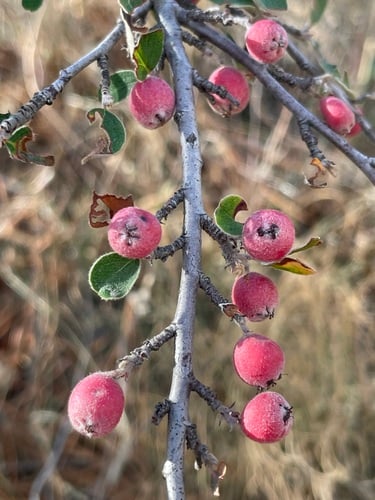
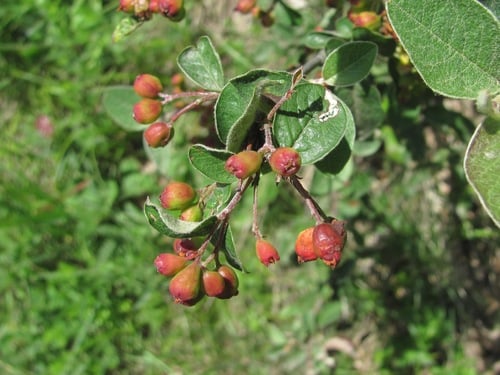
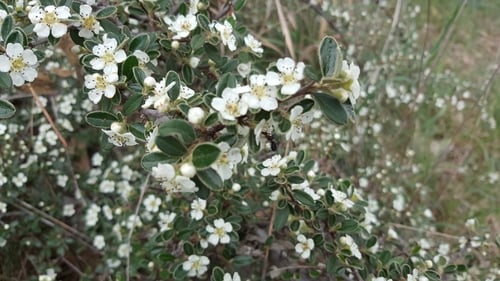
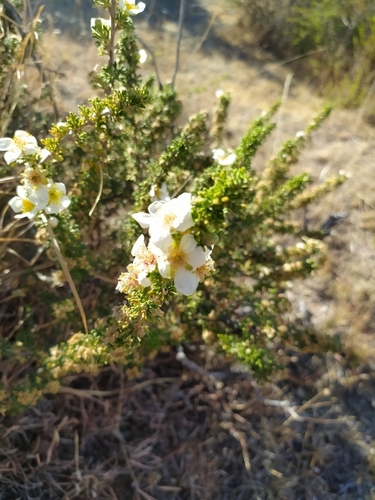
A herb. It keeps growing from year to year. It has stolons or runners 30-50 cm long. The leaflets are oval and 2-3 cm long by 1-2 cm wide. The base is wedge shaped and there are teeth along the edge. The fruit is an aggregate fruit and pale pink. It is about 1 cm across.
Edible Uses
The fruit can be eaten raw or cooked. It is about 10mm in diameter and has the appearance and texture of a strawberry, but very little flavour. Young leaves and the young plant can also be eaten cooked.
Traditional Uses
The fruit are eaten raw and also made into jam.
This uses section is brief — help expand it
Medicinal Uses
None known
Distribution
It is a subtropical and tropical plant. It grows in meadows in southern China.
Where It Grows
Asia, China, India, Indonesia, Japan, Korea, Malaysia, Manchuria, SE Asia, Taiwan,
Propagation
Sow seed in spring in a sunny position in a greenhouse. Germination usually takes place within 1–6 weeks or more at 15°C, and a period of cold stratification may speed this up. Prick seedlings out into individual pots when large enough to handle and plant out during summer. Runners can be divided in spring or late summer and planted directly into permanent positions very easily.
Other Uses
None known Special Uses
Notes
There are (2) 6 Duchesnea species.
References (5)
- Arora, R. K., 2014, Diversity in Underutilized Plant Species - An Asia-Pacific Perspective. Bioversity International. p 68
- Fl. Ned. Ind. 1(1):372. 1855
- Flora of China. www.eFloras.org Volume 9
- Kumar, S. A., Manus, D. & Mallika, M., 2018, Impact of non-timber forest products on Forest and in Livelihood Economy of the People of Adjoining Areas of Jalpaiguri Forest Division, West Bengal, India. Int. J. of Life Sciences, 2018; 6 (2):365-385
- Plants for a Future database, The Field, Penpol, Lostwithiel, Cornwall, PL22 0NG, UK. http://www.scs.leeds.ac.uk/pfaf/