Dryopteris sparsa
(D. Don) O. Kuntze
Shield fern, Wood fern
iNaturalist· cc-by-nc
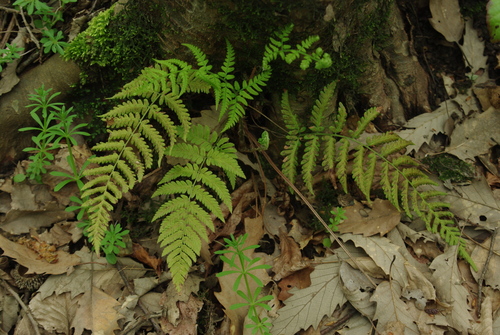
(c) 陳柏璋, some rights reserved (CC BY-NC), uploaded by 陳柏璋
iNaturalist· cc-by-nc
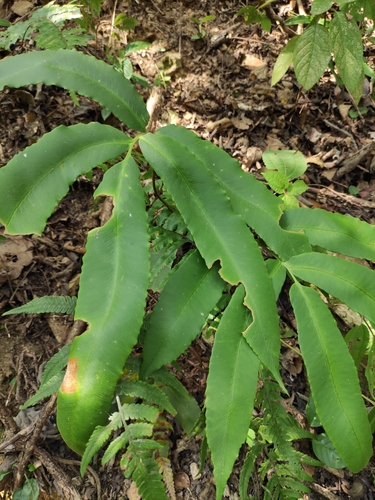
(c) KOFANG, some rights reserved (CC BY-NC)
iNaturalist· cc-by-nc
(c) KOFANG, some rights reserved (CC BY-NC)
Description
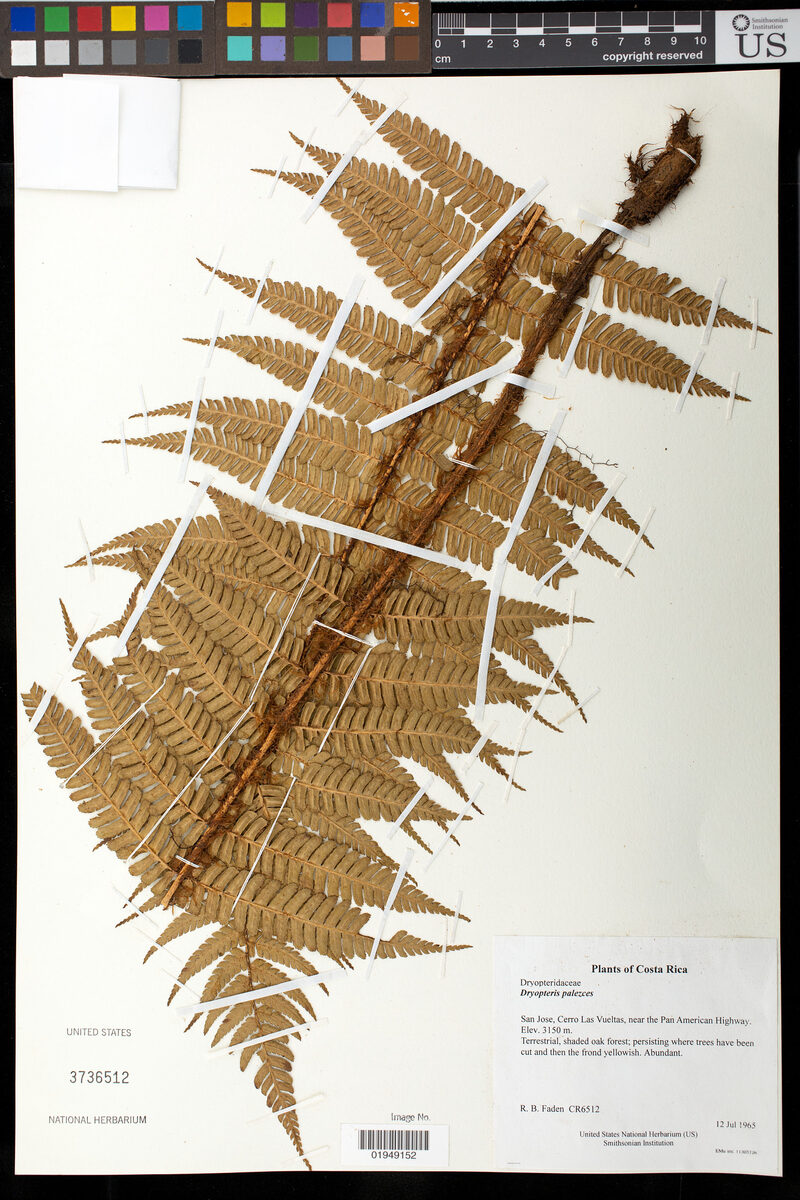
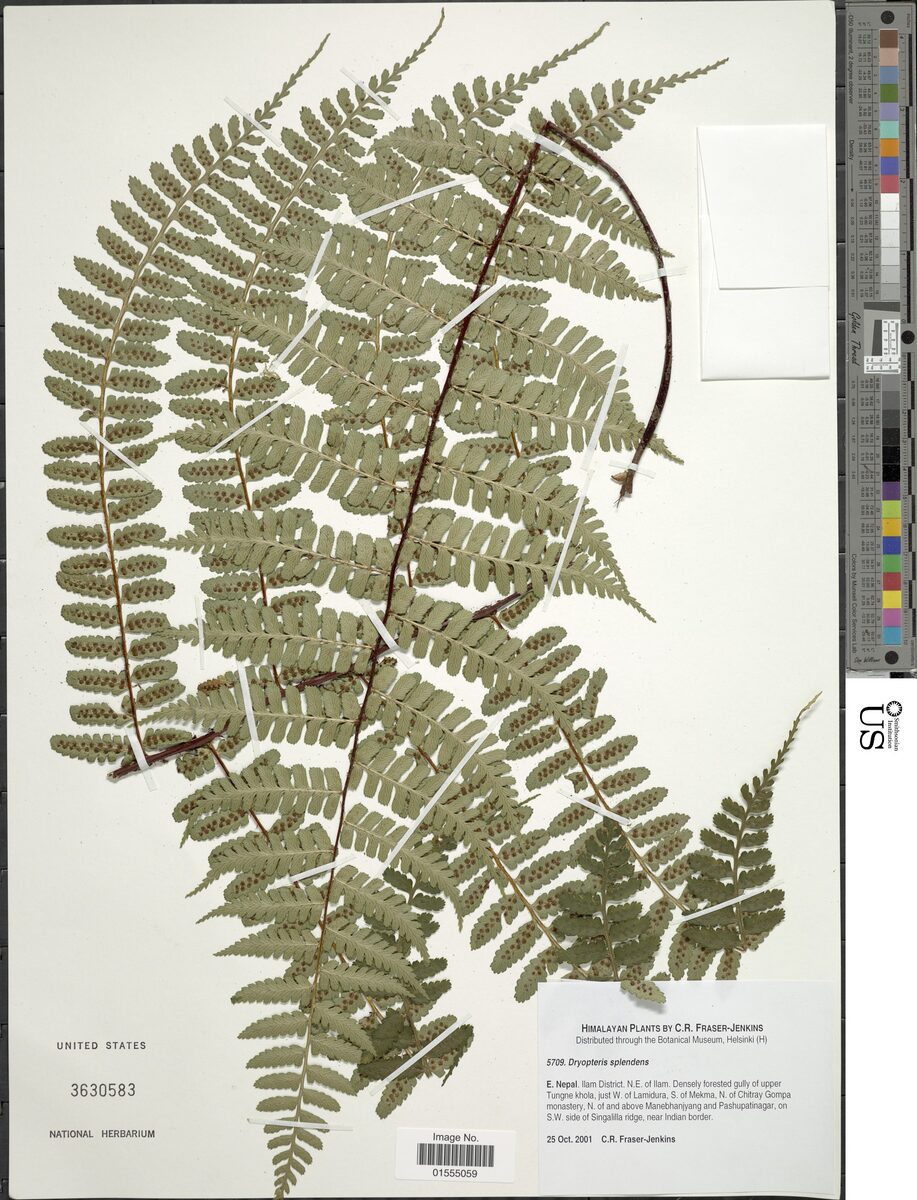
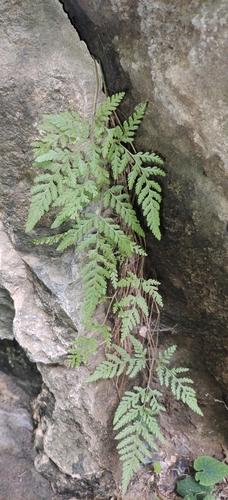
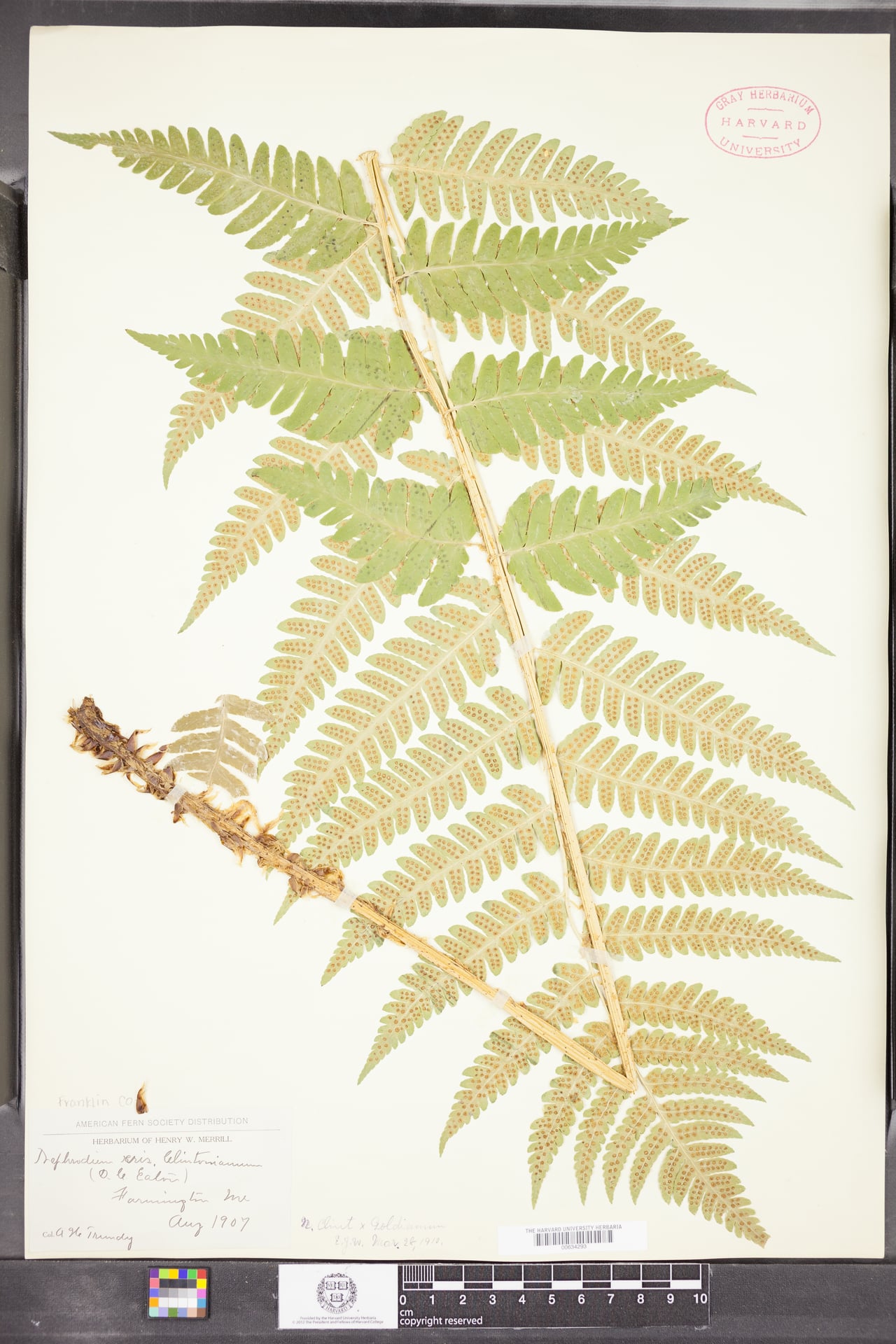
A fern up to 80 cm tall. It forms clumps. The rootstock is erect and becomes tufted. It has large papery scales. The stalks of the fronds are erect, brown and smooth and shiny. The fronds are 30-80 cm tall. They are broadly triangular and divided 2 or 3 times. They are dull green, thin and break easily. The spore bodies are round and have a cover over them.
Edible Uses
The young leaves (fronds) are eaten.
Traditional Uses
The young leaves are eaten.
This uses section is brief — help expand it
Distribution
A tropical plant. It grows in cool shady positions in tropical rainforests. It grows up to 2,000 m above sea level. It is easily damaged by wind.
Where It Grows
Asia, Australia, Bhutan, China, Himalayas, India, Indochina, Indonesia, Japan, Myanmar, Nepal, Northeastern India, Pacific, Papua New Guinea, PNG, Philippines, SE Asia, Sri Lanka, Thailand, Vietnam,
Cultivation
It can be grown from spores which should be sown fresh.
Notes
There are about 200 Dryopteris species.
Synonyms
Also Known As
Kaja habo, Pakis perisai
References (9)
- Chaffey, C.H., 1999, Australian Ferns. Growing them successfully. Kangaroo Press. p 11,
- Croft, J., 1982, Ferns and Man in New Guinea
- Elliot, W.R., & Jones, D.L., 1984, Encyclopedia of Australian Plants suitable for cultivation. Vol 3. Lothian. p 371
- Pham-Hoang Ho, 1999, An Illustrated Flora of Vietnam. Nha Xuat Ban Tre. p 191
- Powell, J.M., Ethnobotany. In Paijmans, K., 1976, New Guinea Vegetation. Australian National University Press. p 109
Show all 9 references Hide references
- Srivastava, R. C., 2010, Traditional knowledge of Nyishi (Daffla) tribe of Arunachal Pradesh. Indian Journal of Traditional Knowledge. 9(1):26-37
- Sukarya, D. G., (Ed.) 2013, 3,500 Plant Species of the Botanic Gardens of Indonesia. LIPI p 869
- World Checklist of Useful Plant Species 2020. Royal Botanic Gardens, Kew
- www.eFloras.org Flora of China