Dryopteris crassirhizoma
Nakai
fern
iNaturalist· cc-by-nc
(c) Chuangzao, some rights reserved (CC BY-NC), uploaded by Chuangzao
iNaturalist· cc-by-nc
(c) Svetlana Nesterova, some rights reserved (CC BY-NC), uploaded by Svetlana Nesterova
iNaturalist· cc-by-nc
(c) Svetlana Nesterova, some rights reserved (CC BY-NC), uploaded by Svetlana Nesterova
Summary
Source: WikipediaDryopteris crassirhizoma is a fern species in the wood fern family Dryopteridaceae. This semi-evergreen fern grows to 1 m (3.3 ft) tall and broad, with narrowly divided fronds growing in a vase-like shape from a central crown, which is brown in colour. It has gained the Royal Horticultural Society's Award of Garden Merit. The acylphloroglucinols (flavaspidic acids) isolated from D. crassirhizoma show in vitro antibacterial and fatty acid synthase inhibitory activity. Also, the constituents sutchuenoside A and kaempferitrin have in vivo antiparasitic activity.
Description
A fern. It grows 1 m tall. The fronds are oblong and 50-120 cm long by 15-30 cm wide.
This description is brief — help expand it
Edible Uses
Young fronds are edible, though no further details are available. Caution is advised given the plant's toxicity.
Traditional Uses
The stem is used in soups after the itchy trichomes are removed.
This uses section is brief — help expand it
Medicinal Uses
The root stalks are analgesic, antibacterial, anti-inflammatory, antiviral, astringent, febrifuge, haemostatic, vermifuge, and vulnerary. A decoction of the dried root is depurative and resolvent. The root contains filicin, which paralyses tapeworms and other internal parasites and is one of the most effective known treatments for tapeworms. Use must be immediately followed by a non-oily purgative such as magnesium sulphate to expel the worms; an oily purge such as castor oil increases absorption and can be dangerous. The root is also taken internally for internal haemorrhage, uterine bleeding, mumps, and feverish illnesses. Externally, it is used to treat abscesses, boils, carbuncles, and sores. The root is harvested in autumn and dried for later use; it should not be stored for longer than 12 months. This remedy must be used with caution and only under the supervision of a qualified practitioner, as the root is toxic and dosage is critical.
Known Hazards
Although we have found no reports for this species, a number of ferns contain carcinogens so some caution is advisable. The fresh plant contains thiaminase, an enzyme that robs the body of its vitamin B complex. In small quantities this enzyme will do no harm to people eating an adequate diet that is rich in vitamin B, though large quantities can cause severe health problems. The enzyme is destroyed by heat or thorough drying, so cooking the plant will remove the thiaminase. However, there have been reports for other species of ferns suggesting that even cooked fronds can have a long term harmful effect. Some caution is therefore advised.
Distribution
It is a temperate plant. In northern China it grows in forests in the hills.
Where It Grows
Asia, China, Japan, Korea, Manchuria, Russia,
Cultivation
Prefers an acid to neutral soil, succeeding in ordinary fertile soil in a shady position. Prefers a moist soil, but is drought tolerant when well established. Members of this genus are rarely if ever troubled by browsing deer.
Propagation
Spores can be sown at any time of year in a greenhouse. Surface sow on sterilised compost, keep moist — possibly by placing the pot in a plastic bag. Germinates in 1–3 months at 20°C. Pot up small clumps when large enough to handle and grow on in a shady part of the greenhouse until ready to plant out. Divide in spring; larger clumps can go directly into permanent positions, though smaller clumps are best potted up and grown on in a cold frame until rooting well, then planted out in spring.
Other Uses
None known.
Notes
There are about 200 Dryopteris species. It is ued in medicine.
Also Known As
Beomgaebi, Beomgobi, Cu jing lin mao jue
References (6)
- Brown, D., 2002, The Royal Horticultural Society encyclopedia of Herbs and their uses. DK Books. p 197
- Cat. sem. spor. hort. bot. Univ. Imp. Tokyo 32. 1920
- Hwang, HS, et al, 2014, Distribution characteristics of plant in the Ungseokbong Mountain, Gyeongsangnam-do, Korea. Journal of Asia-Pacific Biodiversity. 7(2014) e164-e178
- Ong, H. G., et al, 2015, Ethnobotany of the wild edible plants gathered in Ulleung Island, South Korea. Genet Resourc Crop Evol. Springer
- Plants for a Future database, The Field, Penpol, Lostwithiel, Cornwall, PL22 0NG, UK. http://www.scs.leeds.ac.uk/pfaf/
Show all 6 references Hide references
- www.eFloras.org Flora of China
More from Dryopteridaceae
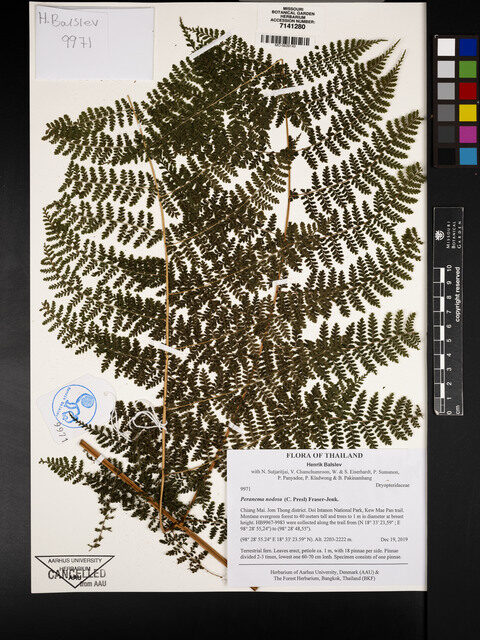
Peranema nodosum
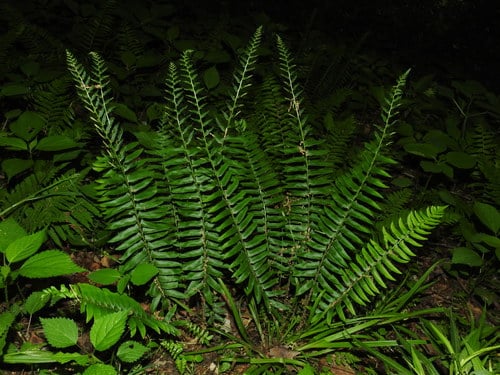
Polystichum acrostichoides
Christmas fern, Hard shield fern, Prickly shield fern
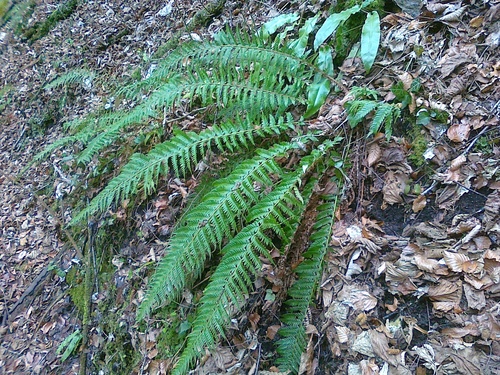
Polystichum aculeatum
Christmas fern, Hard shield fern, Prickly shield fern, Kuthiore, Kuthurka
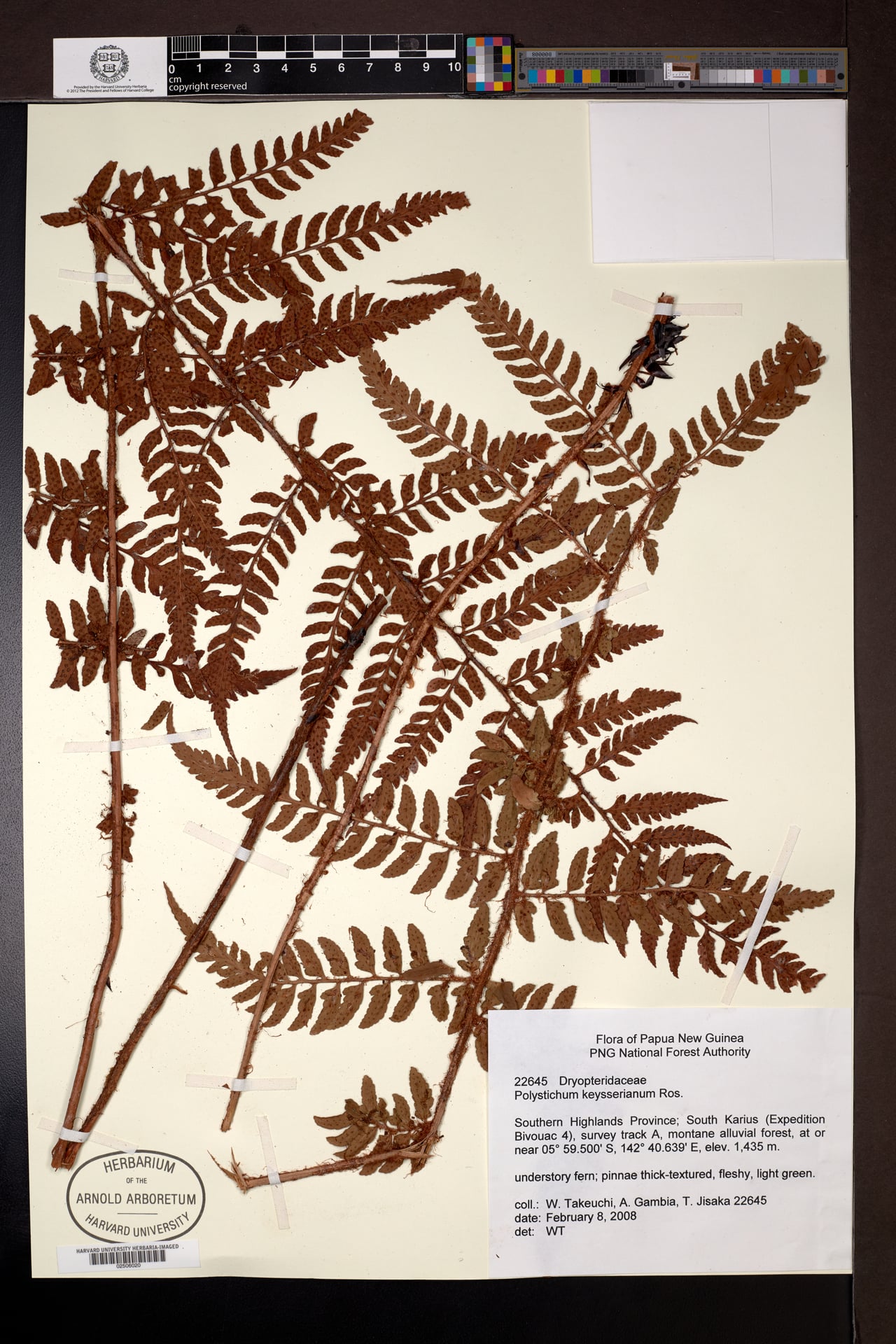
Polystichum keysserianum
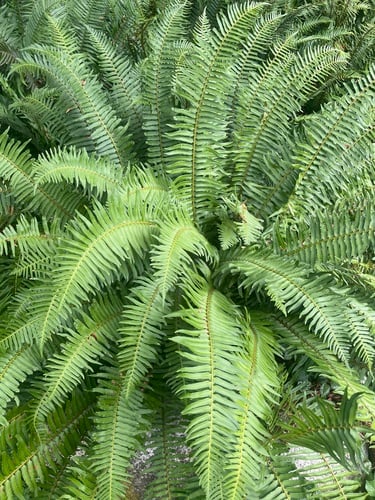
Polystichum munitum
Sword fern, Giant holly fern, Western sword fern
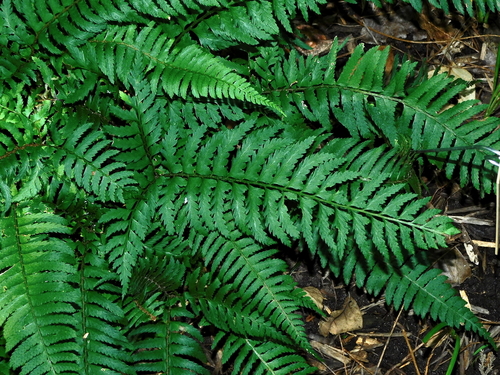
Polystichum tripteron