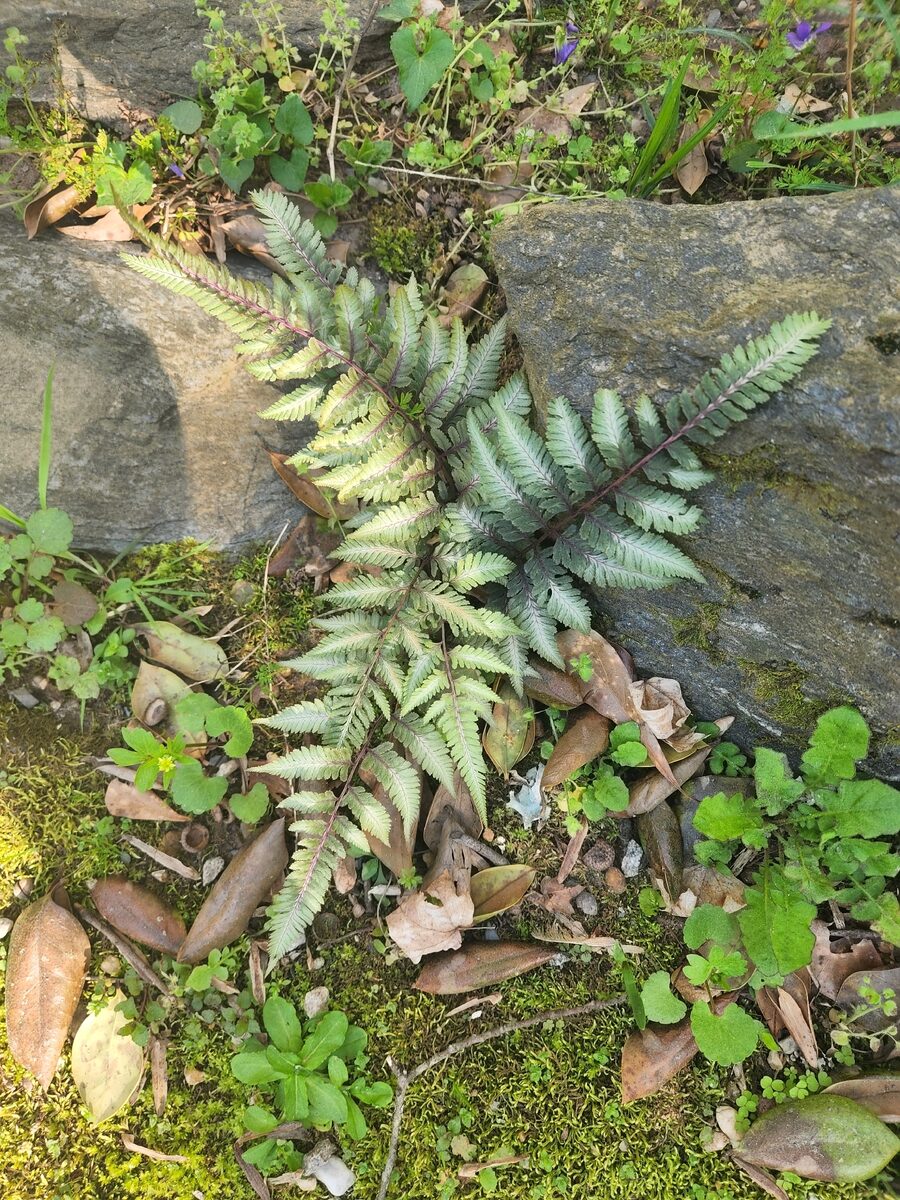
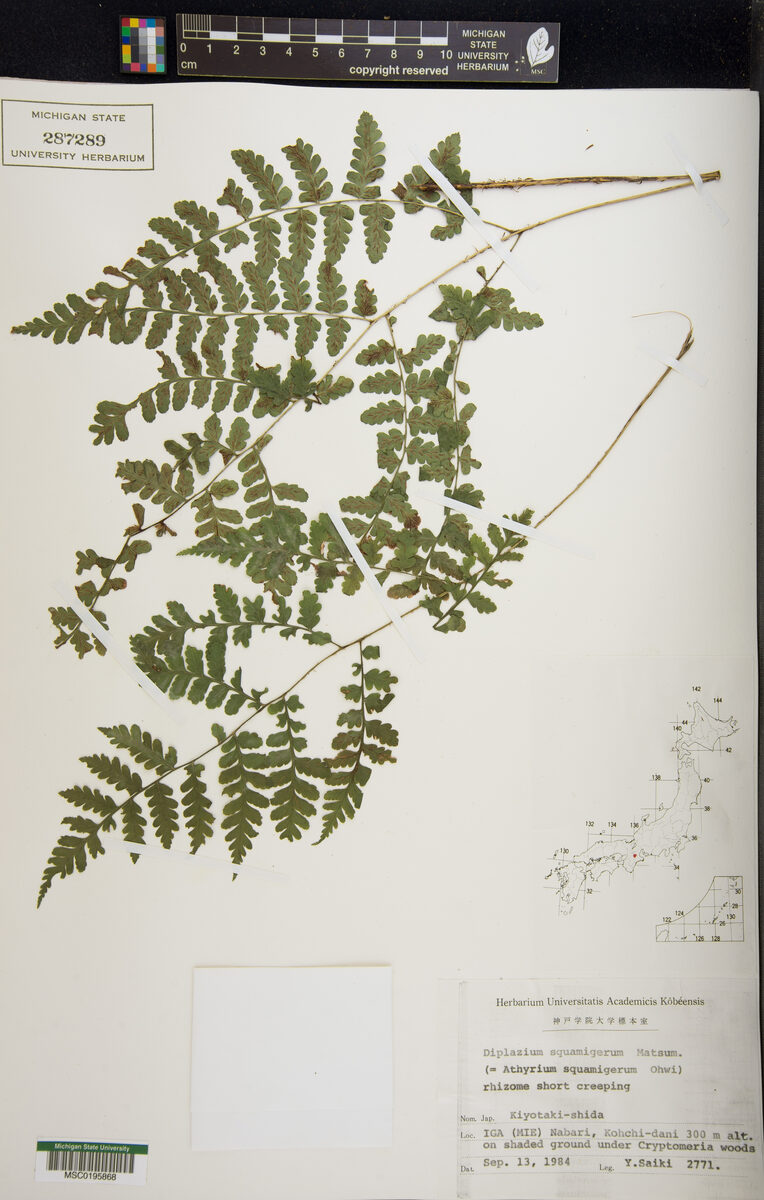
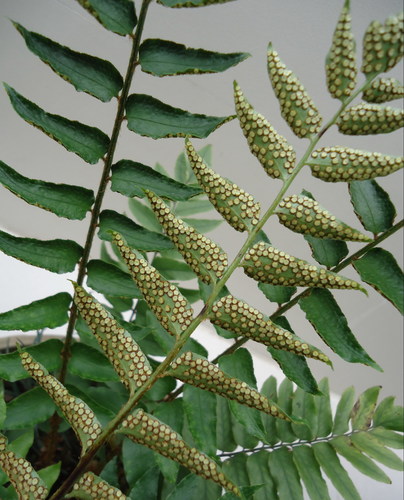
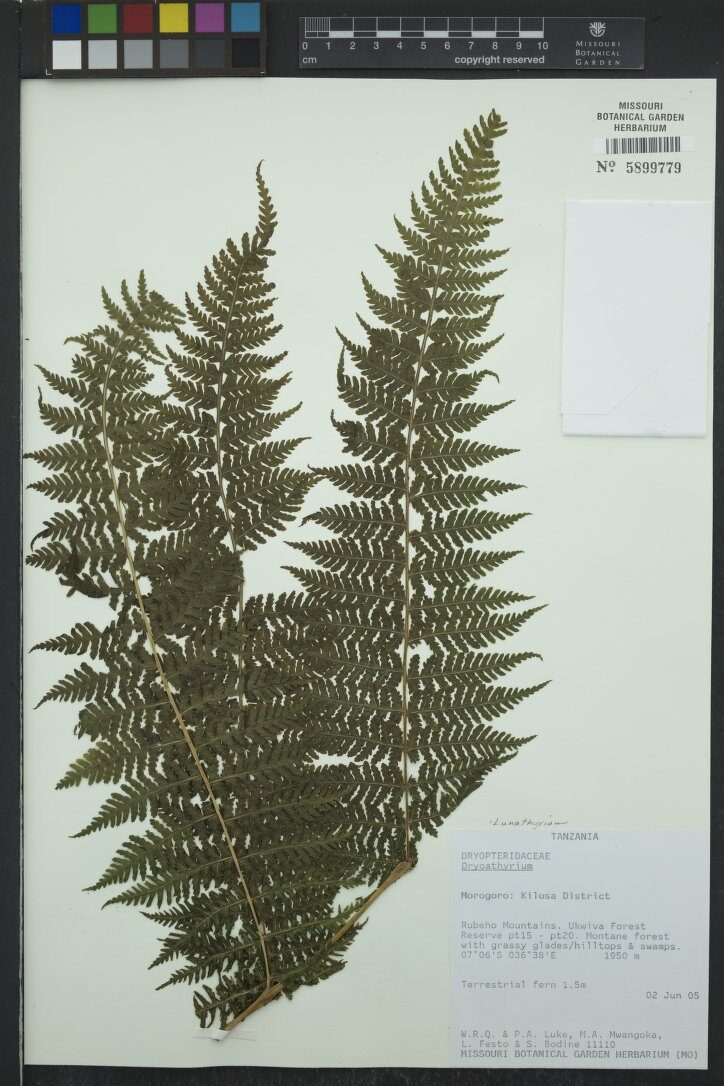
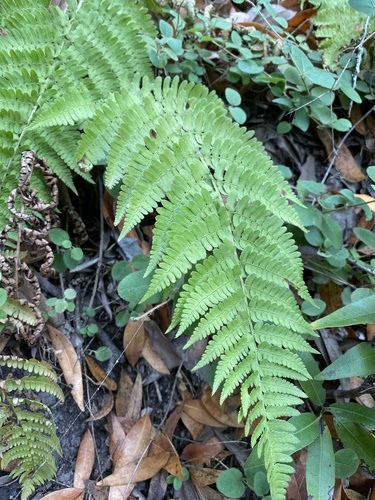
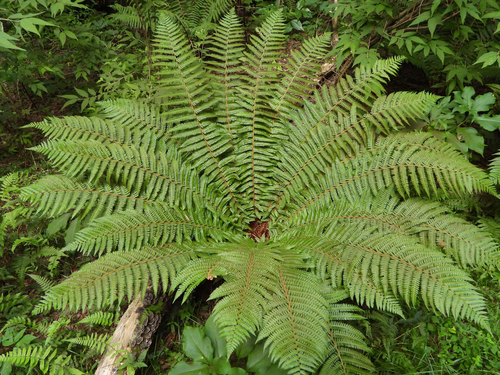
Dryopteris carthusiana
(Vill.) H. P. Fuchs
Narrow buckler fern
iNaturalist· cc-by-nc-sa
(c) Anatoliy Khapugin, some rights reserved (CC BY-NC-SA), uploaded by Anatoliy Khapugin
iNaturalist· cc-by-nc
(c) Chuck Cantley, some rights reserved (CC BY-NC), uploaded by Chuck Cantley
iNaturalist· cc-by-nc
(c) Chuck Cantley, some rights reserved (CC BY-NC), uploaded by Chuck Cantley
Summary
Source: WikipediaDryopteris carthusiana is a perennial species of fern native to damp forests throughout the Holarctic Kingdom. It is known as the narrow buckler-fern in the United Kingdom, and as the spinulose woodfern in North America. It is a tetraploid of hybrid origin, one parent being Dryopteris intermedia, known in North America as the intermediate wood fern, and an unknown, apparently extinct species dubbed Dryopteris semicristata, which is also the presumed parent of the hybrid-origin Dryopteris cristata.
Description
A small fern. It grows 60 cm high and spreads 30 cm wide. The fronds are triangle shaped in outline. They are delicate and divided 3 times. They are pale green in colour.
Edible Uses
The root can be baked, though some caution is advised due to toxicity. Old leafstalks on the underground stems can be roasted, peeled, and the inner portion eaten. Young curled fronds, harvested as they develop in spring, can be boiled and eaten like asparagus.
Traditional Uses
The young curled fronds are cooked and eaten. The old leaf stalks on the underground stem are cooked and the inner portion eaten.
This uses section is brief — help expand it
Medicinal Uses
The root contains filicin, a substance that paralyses tapeworms and other internal parasites, making it one of the most effective known treatments for tapeworms. Its use must be immediately followed by a non-oily purgative such as magnesium sulphate to expel the worms. An oily purge such as castor oil increases absorption of the fern root and can be dangerous. The root is harvested in autumn, dried for later use, and should not be stored for longer than 12 months. This remedy should be used with caution and only under the supervision of a qualified practitioner, as the root is toxic and dosage is critical.
Known Hazards
Root is toxic and dosage is critical. An oily purge such as caster oil increases fern root absorption and can be dangerous.
Distribution
It is a temperate plant. It grows in damp, boggy places. In NW China it grows in mountain forests at about 2,000 m above sea level. It suits hardiness zones 6-10.
Where It Grows
Alaska, Asia, Australia, Britain, Canada, China, Europe, France, Germany, Luxembourg, Netherlands, North America, SE Asia, Singapore, Turkey, Türkiye,
Propagation
Spores can be sown at any time of year in a greenhouse. Surface sow on sterilised compost, keep moist — possibly by placing the pot in a plastic bag. Germinates in 1–3 months at 20°C. Pot up small clumps when large enough to handle and grow on in a shady part of the greenhouse until ready to plant out. Divide in spring; larger clumps can go directly into permanent positions, though smaller clumps are best potted up and grown on in a cold frame until rooting well before planting out in spring.
Other Uses
Plants spaced about 30 cm apart each way can be grown as ground cover.
Notes
There are about 200 Dryopteris species. This one is a common glasshouse pest in Australia.
Synonyms
References (6)
- Bull. Soc. Bot. France 105:339. 1959
- Cundall, P., (ed.), 2004, Gardening Australia: flora: the gardener's bible. ABC Books. p 516
- Goudey, C.J., 1988, A Handbook of Ferns for Australia and New Zealand. Lothian. p 102
- Heller, C. A., 1962, Wild Edible and Poisonous Plants of Alaska. Univ. of Alaska Extension Service. p 14 (As Dryopteris spinulosa (Muell.) Kuntze0
- MacKinnon, A., et al, 2009, Edible & Medicinal Plants of Canada. Lone Pine. p 380
Show all 6 references Hide references
- Plants for a Future database, The Field, Penpol, Lostwithiel, Cornwall, PL22 0NG, UK. http://www.scs.leeds.ac.uk/pfaf/