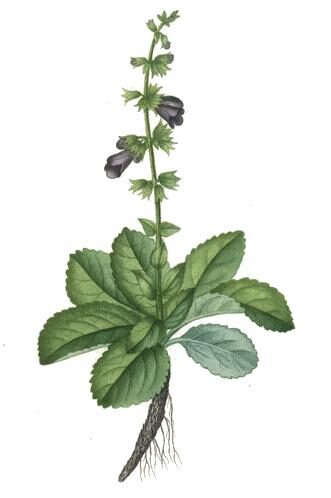
Teucrium massiliense
L.
iNaturalist· cc-by-nc
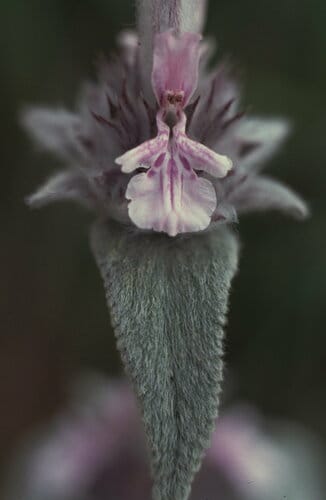
(c) fotis-samaritakis, some rights reserved (CC BY-NC), uploaded by fotis-samaritakis
iNaturalist· cc-by-nc
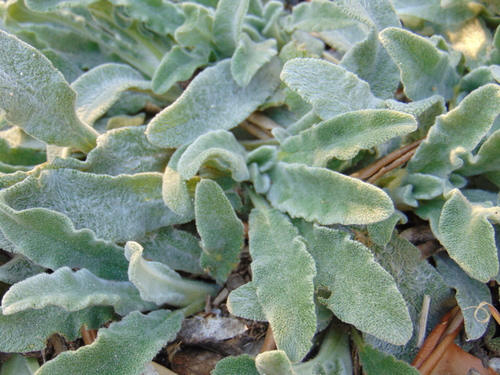
(c) fotis-samaritakis, some rights reserved (CC BY-NC), uploaded by fotis-samaritakis
iNaturalist· cc-by-nc
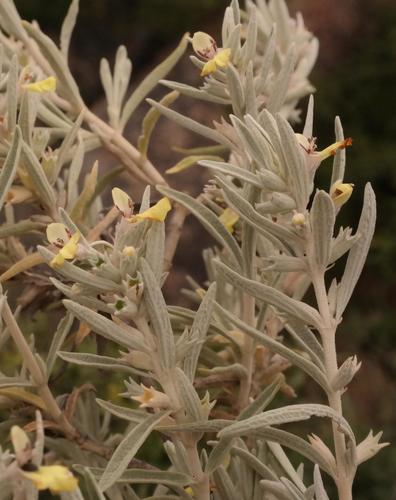
(c) fotis-samaritakis, some rights reserved (CC BY-NC), uploaded by fotis-samaritakis
Description
Teucrium massiliense is a deciduous Shrub growing to 1 m (3ft 3in). See above for USDA hardiness. It is hardy to UK zone 6. It is in flower from July to September, and the seeds ripen from August to September. The species is hermaphrodite (has both male and female organs) and is pollinated by Bees. The plant is self-fertile. Suitable for: light (sandy), medium (loamy) and heavy (clay) soils and prefers well-drained soil. Suitable pH: neutral and basic (mildly alkaline) soils and can grow in very alkaline soils. It cannot grow in the shade. It prefers dry or moist soil.
Edible Uses
Tea. The plant is used as a tea substitute.
Distribution
Europe - W. Mediterranean.
Where It Grows
EUROPE: Greece (Kríti), Italy (Sardegna), Spain, France (incl. Corsica)
Cultivation
Succeeds in any moderately good well-drained soil in full sun. Requires an alkaline soil. Plants are sub-shrubs, retaining a woody base but the stems often dying back in the winter. Plants are well-suited to the border edge, tolerating light clipping. Plants in this genus are notably resistant to honey fungus.
Propagation
Seed - sow spring in a cold frame and only just cover the seed. Prick out the seedlings into individual pots when they are large enough to handle and plant them out in the summer if they are large enough. Otherwise, grow them on in a cold frame for the winter and plant them out in the following spring. Division in early spring. Larger divisions can be planted out direct into their permanent positions. We have found that it is best to pot up smaller divisions and grow them on in light shade in a greenhouse or cold frame until they are growing away well. Plant them out in the summer or the following spring. Cuttings of half-ripe wood, July/August in a frame.