Dovyalis lucida
T. R. Sim
Glossy dovyalis, Glossy sour cherry
iNaturalist· cc-by-sa
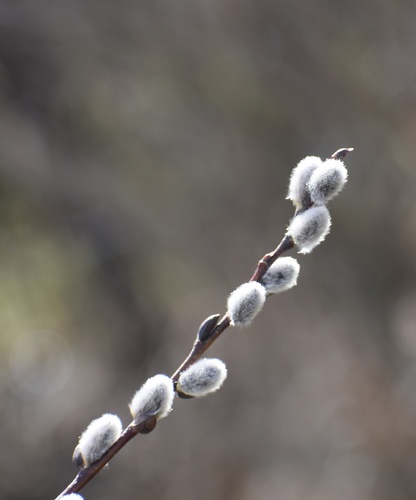
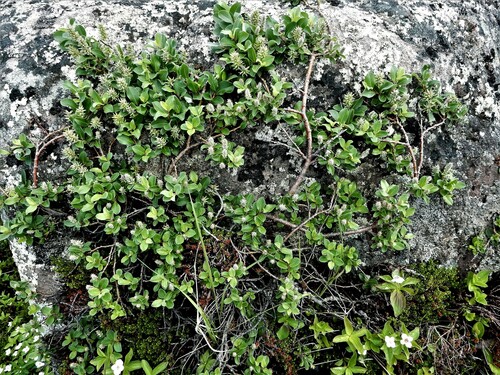
(c) Andrew Gillespie, some rights reserved (CC BY-SA), uploaded by Andrew Gillespie
iNaturalist· cc-by-nc
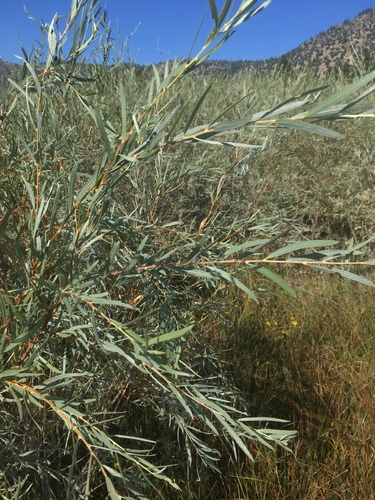
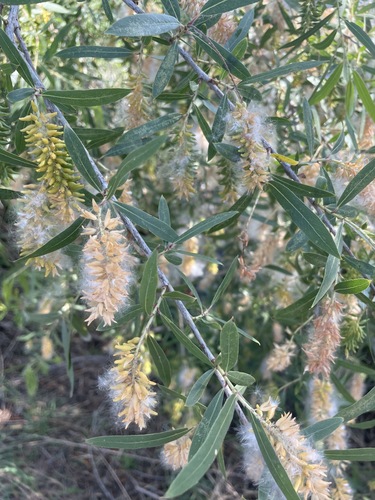
(c) Troos van der Merwe, some rights reserved (CC BY-NC)
iNaturalist· cc-by-nc
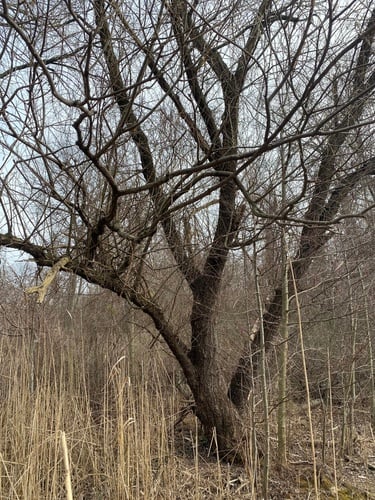
(c) Troos van der Merwe, some rights reserved (CC BY-NC)
Description
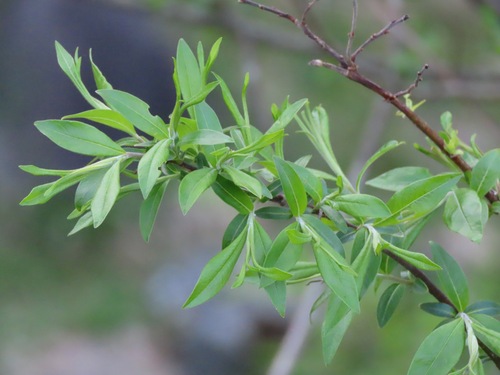
A shrub or small tree. It grows to 7 m high. It can be 15 m high. The bark is grey and cracked. The branches usually do not have spines. The leaves are broadly oval. They are 2.5-8 cm long by 2-5 cm wide. They are dark green and very glossy above and paler and dull underneath. The leaf tapers to both ends and the edges can have irregular teeth. The leaf stalk is 3 mm long. The flowers are very small and greenish-yellow. They can occur singly or in groups or 2-7. Flowers only last for a short time. The fruit is round and fleshy. They are 1-1.5 cm across. They are covered with dense sort hairs. Fruit are bright orange-red when mature. They grow in older branches. The fruit is edible.
Edible Uses
The ripe fruit are eaten raw; they are sour.
Traditional Uses
The ripe fruit are eaten. They are sour.
This uses section is brief — help expand it
Distribution
A tropical plant. It grows at medium altitudes in Southern Africa in evergreen forest. It can grow to sea level.
Where It Grows
Africa, East Africa, Eswatini, Mozambique, South Africa, Southern Africa, Swaziland, Zimbabwe,
Notes
There are about 22 Dovyalis species. Also put in the Flacourtiaceae family.
Also Known As
Ingcengane, Sangongongo, Umnyazuma
References (9)
- Fox, F. W. & Young, M. E. N., 1982, Food from the Veld. Delta Books. p 230
- Long, C., 2005, Swaziland's Flora - siSwati names and Uses http://www.sntc.org.sz/flora/
- Palgrave, K.C., 1996, Trees of Southern Africa. Struik Publishers. p 638
- Ruiters-Welcome, A. K., 2019, Food plants of southern Africa. Ph.D. thesis. Univ. of Johannesburg p 99
- Schmidt, E., Lotter, M., & McCleland, W., 2007, Trees and shrubs of Mpumalanga and Kruger National Park. Jacana Media p 430
Show all 9 references Hide references
- Swaziland's Flora Database http://www.sntc.org.sz/flora
- Tredgold, M.H., 1986, Food Plants of Zimbabwe. Mambo Press. p 99
- Welcome, A. K. & Van Wyk, B.-E., 2019, An inventory and analysis of the food plants of southern Africa. South African Journal of Botany 122 (2019) 136–179
- World Checklist of Useful Plant Species 2020. Royal Botanic Gardens, Kew