Dissotis grandiflora
(Sm.) Benth.
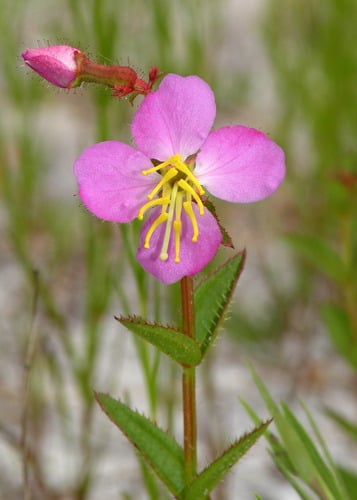
iNaturalist· cc-by-nc
(c) Carel Jongkind, some rights reserved (CC BY-NC), uploaded by Carel Jongkind
iNaturalist· cc-by-nc
(c) Carel Jongkind, some rights reserved (CC BY-NC), uploaded by Carel Jongkind
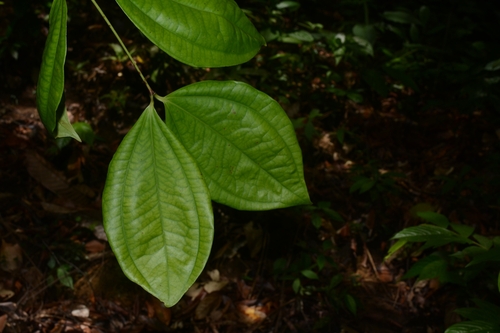
iNaturalist· cc-by-nc
(c) Carel Jongkind, some rights reserved (CC BY-NC), uploaded by Carel Jongkind
Description
A herb. It grows 1.6 m high. It has a few branches that arise from a woody rootstock. It keeps growing from year to year.
This description is brief — help expand it
Edible Uses
The roots are eaten and used to make an alcoholic drink.
Traditional Uses
The roots are eaten and used to make an alcoholic drink. Caution: Alcohol is a cause of cancer.
This uses section is brief — help expand it
Known Hazards
Alcohol is a cause of cancer.
Distribution
A tropical plant. It grows in woodland and savannah woodland.
Where It Grows
Africa, Guinea, Guinée, Guinea-Bissau, Senegal, Sierra Leone, West Africa,
Synonyms
Also Known As
Bu kemben, Dinhe, Gnienie, N'outh
References (6)
- Burkill, H. M., 1985, The useful plants of west tropical Africa, Vol. 4. Kew.
- Dalziel, J. M., 1937, The Useful plants of west tropical Africa. Crown Agents for the Colonies London.
- Grivetti, L. E., 1980, Agricultural development: present and potential role of edible wild plants. Part 2: Sub-Saharan Africa, Report to the Department of State Agency for International Development. p 24
- Jardin, C., 1970, List of Foods Used In Africa, FAO Nutrition Information Document Series No 2.p 22
- Peters, C. R., O'Brien, E. M., and Drummond, R.B., 1992, Edible Wild plants of Sub-saharan Africa. Kew. p 146
Show all 6 references Hide references
- World Checklist of Useful Plant Species 2020. Royal Botanic Gardens, Kew