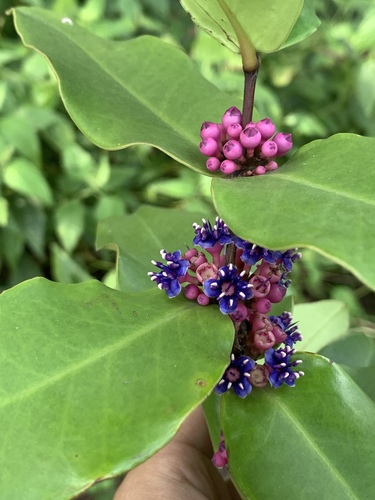
Miconia affinis
DC.
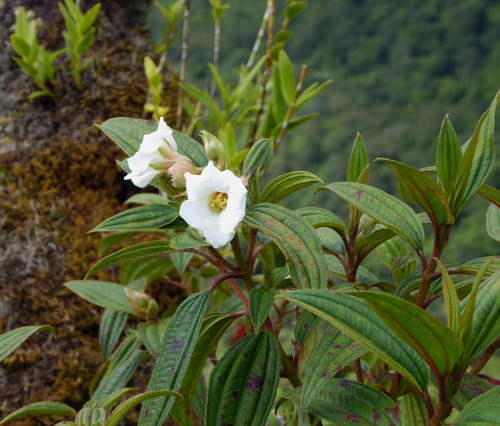
Small fruit maya
iNaturalist· cc-by-nc
(c) Paul Foster, some rights reserved (CC BY-NC), uploaded by Paul Foster
iNaturalist· cc-by-nc
(c) Riley Fortier, some rights reserved (CC BY-NC), uploaded by Riley Fortier
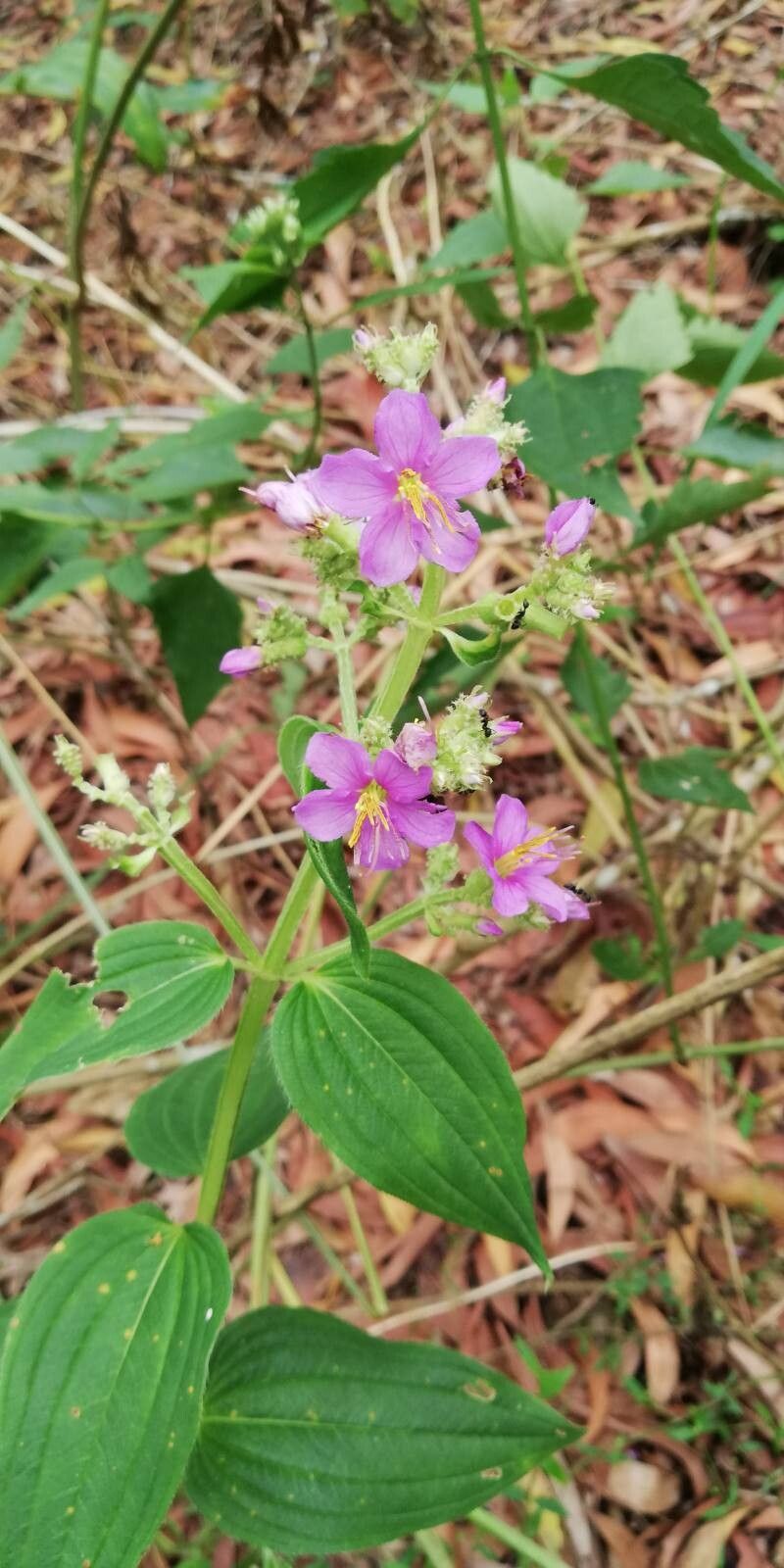
iNaturalist· cc-by-nc
(c) Geovane Siqueira, some rights reserved (CC BY-NC), uploaded by Geovane Siqueira
Description
A small tree. The leaves are large and narrow and pointed at both ends. There are 5 parallel veins from the base.
This description is brief — help expand it
Edible Uses
We have no specific information for this species, but the small, blue, purple or black fruits of many, if not all, species in this genus is edible. The blue, globose berries are 3 - 5mm in diameter.
Distribution
It is a tropical plant. It grows in forests and at the edge. It grows in wet and moist zones.
Where It Grows
Amazon, Belize, Bolivia, Brazil, Central America, Colombia, Costa Rica, Ecuador, El Salvador, Guatemala, Guiana, Guianas, Guyana, Honduras, Mexico, Nicaragua, North America, Panama, Peru, Puerto Rico, South America, Suriname, Trinidad and Tobago, Venezuela, West Indies,
Other Uses
The wood is used for fence posts. The wood is used for fuel.
Notes
There are about 1,000 Miconia species in tropical South America.
Synonyms
Also Known As
Amandra, Arateu, Barbechero, Bimichexe, Camasey, Capricote blanco, Guayabilla, Hocotsemo, Manampu, Mullaca, Payanzo, Sirin Barbechero, Tihtureira, Waraia
References (5)
- Condit, R., et al, 2011, Trees of Panama and Costa Rica. Princeton Field Guides. p 302
- Grandtner, M. M., 2008, World Dictionary of Trees. Wood and Forest Science Department. Laval University, Quebec, Qc Canada. (Internet database http://www.wdt.qc.ca)
- Grandtner, M. M. & Chevrette, J., 2013, Dictionary of Trees, Volume 2: South America: Nomenclature, Taxonomy and Ecology. Academic Press p 396
- Kermath, B. M., et al, 2014, Food Plants in the Americas: A survey of the domesticated, cultivated and wild plants used for Human food in North, Central and South America and the Caribbean. On line draft. p 535
- Roa, J. A. G. & Boada, D. S. G., 2018, Fundación para el Fortalecimiento de la Fruticultura y Plantas Alimenticias no Convencionales en Colombia.