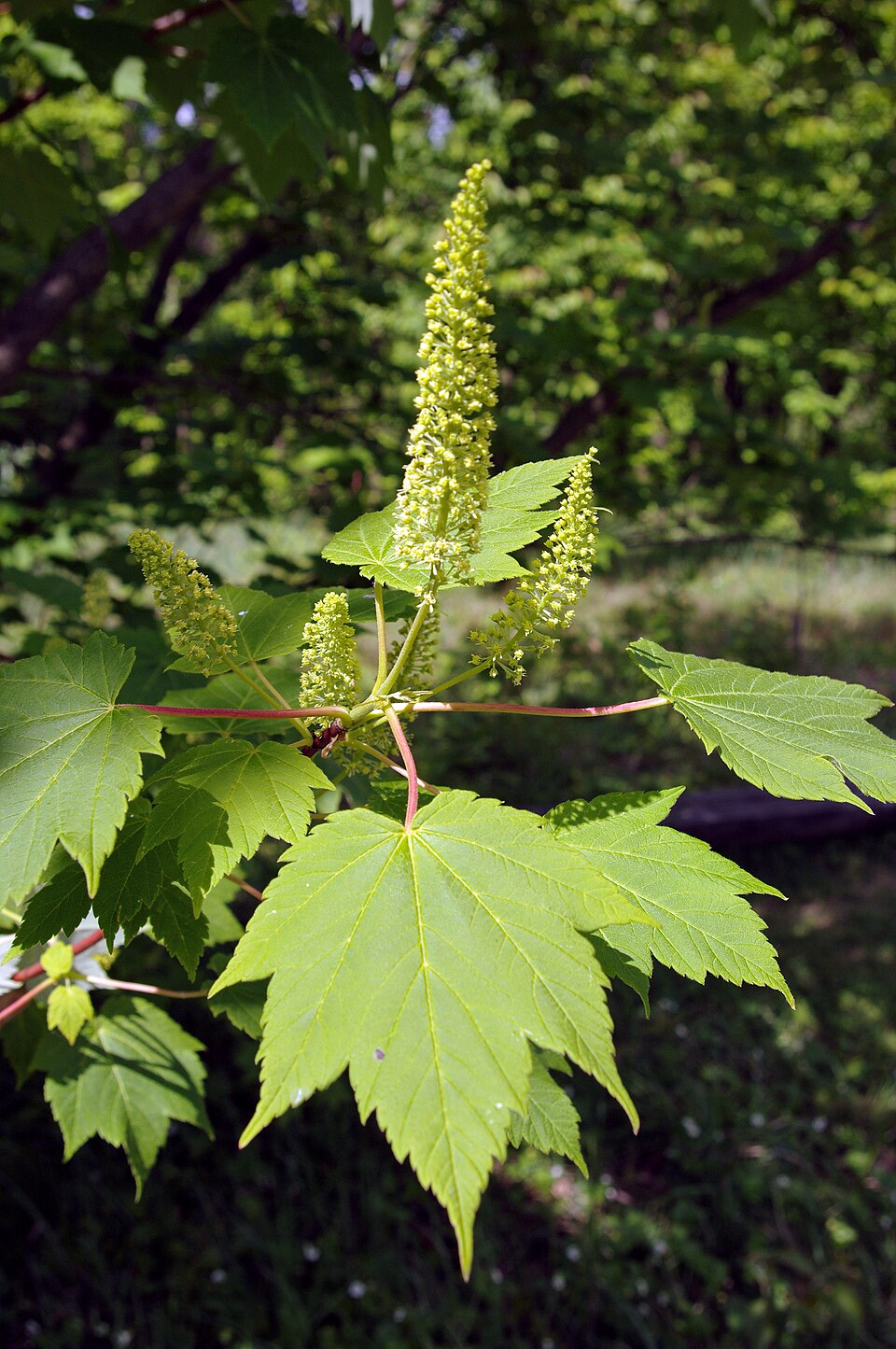
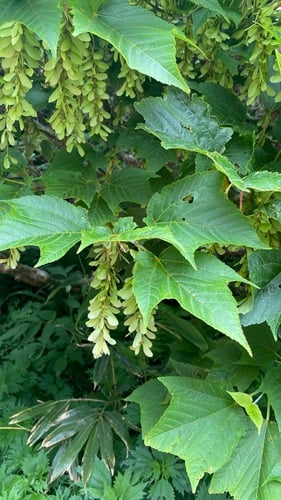
Diploglottis diphyllostegia
(F. Muell.) Bailey
Wild tamarind, Northern Tamarind
iNaturalist· cc-by-nc
(c) ryanthughes, some rights reserved (CC BY-NC)
iNaturalist· cc-by-sa
(c) Steve Fitzgerald, some rights reserved (CC BY-SA)
Summary
Source: WikipediaDiploglottis diphyllostegia, commonly known as the northern tamarind, native tamarind or wild tamarind, is a tree in the lychee family Sapindaceae which is endemic to Queensland, Australia. It is an attractive tree with potential in cultivation, with a dense crown of dark green leaves and masses of fruit in spring and summer.
Description
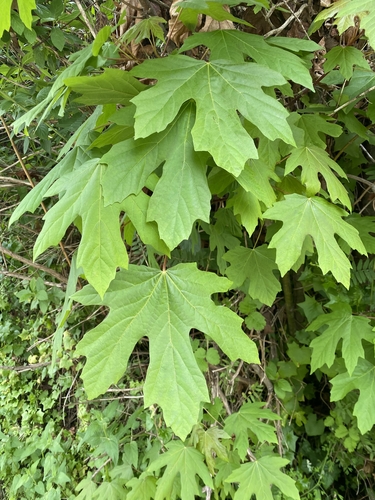
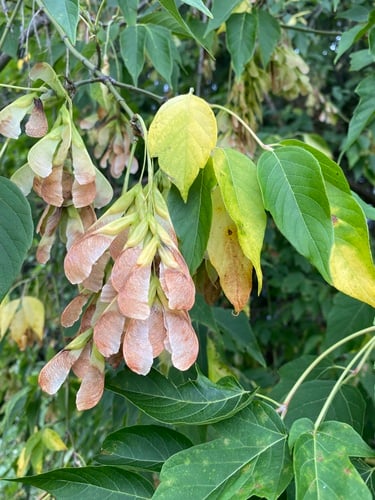
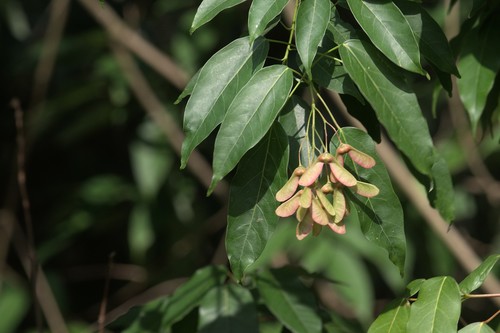
A tree up to 30 m high. It spreads 3-10 m wide. The bark is grey. The young shoots are angular and have brown hairs. The leaves are 20-40 cm long. The leaves are compound. There are 4-18 leaflets and these are 4-19 cm long by 2-6 cm wide. The leaves are hairy underneath. The fruit are 8-17 mm long by 15-28 mm wide. They occur in bunches in the axils of leaves. There are 1-3 seeds. The seeds are 1 cm across. The seeds are covered with an aril or layer that lets light through. This aril is edible.
Edible Uses
The fleshy aril covering the seeds can be eaten fresh, used to make drinks or jelly, or processed into jam.
Traditional Uses
The fleshy aril can be eaten or used for drinks or jelly. They can be used for jam.
This uses section is brief — help expand it
Distribution
They grow in tropical and subtropical areas. It grows naturally in rainforest in Queensland, Australia. It grows between sea level and 900 m altitude.
Where It Grows
Australia*,
Cultivation
Plants are grown from fresh seed. The flesh is removed and the seed soaked in water for 12 hours before planting.
Production
They are fast growing.
Other Information
It is cultivated.
Notes
There are 8 Diploglottis species.
Synonyms
References (12)
- Cherikoff V. & Isaacs, J., The Bush Food Handbook. How to gather, grow, process and cook Australian Wild Foods. Ti Tree Press, Australia p 147
- Cooper W & Cooper W T, 1994, Fruits of the Rain Forest. RD Press p 94
- Cooper, W. and Cooper, W., 2004, Fruits of the Australian Tropical Rainforest. Nokomis Editions, Victoria, Australia. p 486
- Elliot, W.R., & Jones, D.L., 1984, Encyclopedia of Australian Plants suitable for cultivation. Vol 3. Lothian. p 291
- Hibbert, M., 2002, The Aussie Plant Finder 2002, Florilegium. p 88
Show all 12 references Hide references
- Jackes, B.R., 2001, Plants of the Tropics. Rainforest to Heath. An Identification Guide. James Cook University. p 80
- Jones D, L, 1986, Ornamental Rainforest Plants in Australia, Reed Books, p 125, 340
- Low, T., 1991, Wild Food Plants of Australia. Australian Nature FieldGuide, Angus & Robertson. p 87
- Lyle, S., 2006, Discovering fruit and nuts. Land Links. p 262
- Queensland Forest Service, 1991, Trees and Shrubs. Department of Primary Industries. p 80
- Radke, P & A, Sankowsky, G & N., 1993, Growing Australian Tropical Plants. Frith & Frith, Australia. p 34
- Townsend, K., 1994, Across the Top. Gardening with Australian Plants in the tropics. Society for Growing Australian Plants, Townsville Branch Inc. p 164