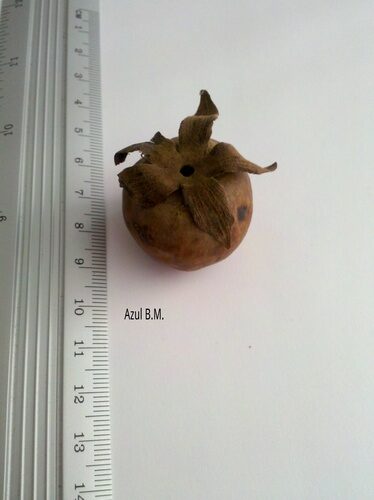
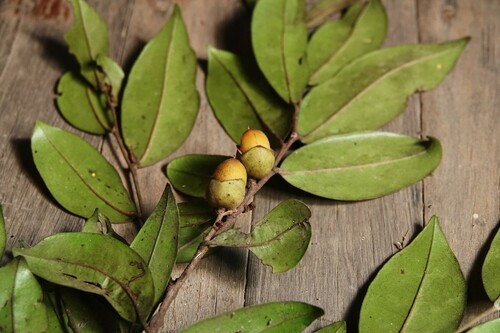
Diospyros natalensis
(Harv.) Brenan
Small-leaved jackal-berry, Acorn diospyros
iNaturalist· cc-by
(c) Andrew Gillespie, some rights reserved (CC BY), uploaded by Andrew Gillespie
iNaturalist· cc-by-nc
(c) Errol Douwes, some rights reserved (CC BY-NC)
iNaturalist· cc-by-nc
(c) Errol Douwes, some rights reserved (CC BY-NC)
Description
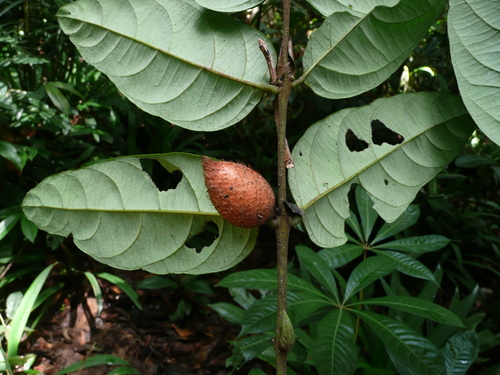
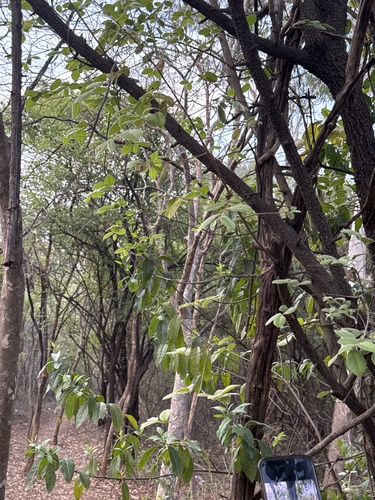
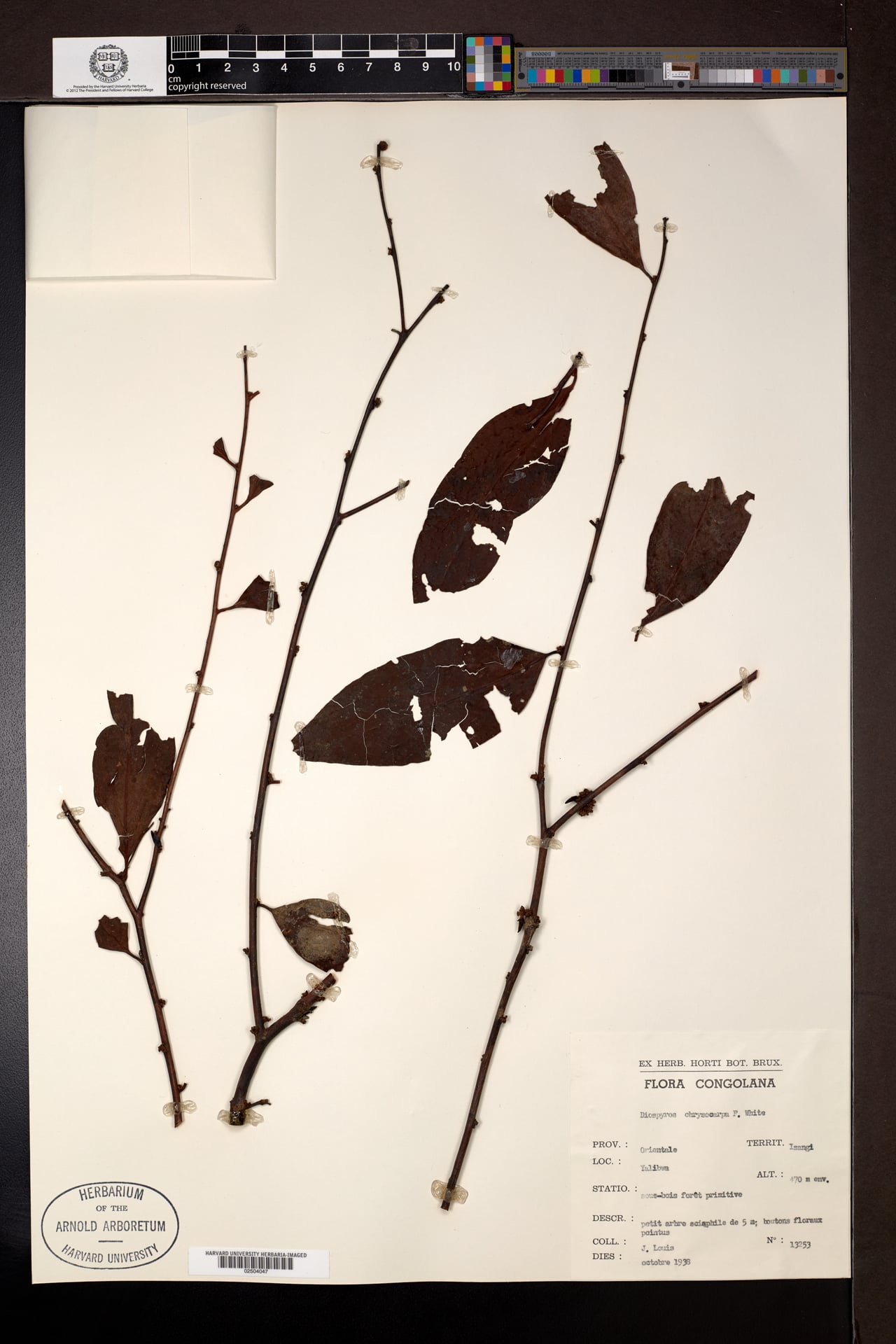
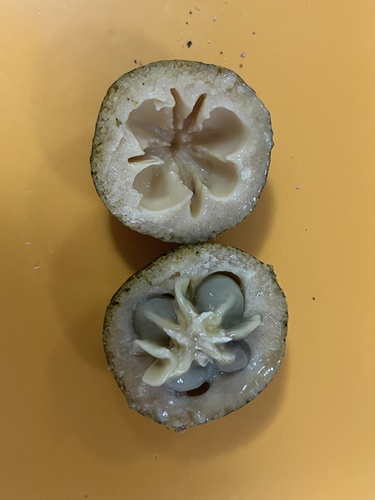
A evergreen shrub or small tree. It is much branched. It grows to 6-15 m high. The bark is pale grey and smooth. The leaves are produced horizontally along the slender branches. They are oval and 1-3.6 cm long by 0.5-2 cm wide. They are glossy dark green above and paler green underneath. The flowers are small and white. They occur either singly or in 2 or 3 flowered heads in the axils of leaves. These are 7 mm long. The fruit are like small acorns. They are slender and 1.2 cm long by 0.6 cm wide. They have sharp tips. They are yellow when mature. The cup covers about half the fruit.
Edible Uses
The fruit are eaten as a snack.
Traditional Uses
The fruit are eaten as a snack.
This uses section is brief — help expand it
Distribution
A tropical plant. It occurs in dune forest along the coast. It can be on the edges of streams and evergreen forest. It grows in stony or gravelly soils. It grows from sea level to 1,600 m above sea level.
Where It Grows
Africa, Central Africa, Congo, East Africa, Eswatini, Kenya, Madagascar, Malawi, Mozambique, South Africa, Southern Africa, Swaziland, Tanzania, Uganda, Zambia, Zimbabwe,
Notes
There are about 485 species of Diospyros mostly in the tropics.
Nutrition
| Part | Moisture | kJ | kcal | Protein | Vit A | Vit C | Iron | Zinc |
|---|---|---|---|---|---|---|---|---|
| Fruit | 56.5 | 507 | 121 | 1.7 | — | — | — | — |
Synonyms
Also Known As
Katsungwi-ka-taskni, Mutsungwi
References (12)
- Fowler, D. G., 2007, Zambian Plants: Their Vernacular Names and Uses. Kew. p 24
- INFOODS:FAO/INFOODS Databases
- Jardin, C., 1970, List of Foods Used In Africa, FAO Nutrition Information Document Series No 2.p 133
- Mem. New York Bot. Gard. 8:501. 1954
- Mutie, F. M., et al, 2023, Important Medicinal and Food Taxa (Orders and Families) in Kenya, Based on Three Quantitative Approaches. Plants 2023, 12, 1145
Show all 12 references Hide references
- Pakia, M., 2000, Plant Ecology and Ethnobotany of two sacred forests (Kayas) at the Kenya Coast. M. Sc. Thesis.
- Palgrave, K.C., 1996, Trees of Southern Africa. Struik Publishers. p 748
- Ruiters-Welcome, A. K., 2019, Food plants of southern Africa. Ph.D. thesis. Univ. of Johannesburg p 52
- Wehmeyer, A. S, 1986, Edible Wild Plants of Southern Africa. Data on the Nutrient Contents of over 300 species
- Welcome, A. K. & Van Wyk, B.-E., 2019, An inventory and analysis of the food plants of southern Africa. South African Journal of Botany 122 (2019) 136–179
- White, F., Dowsett-Lemaire, F. and Chapman, J. D., 2001, Evergreen Forest Flora of Malawi. Kew. p 225
- World Checklist of Useful Plant Species 2020. Royal Botanic Gardens, Kew