Dicoria canescens
A. Gray
Desert twinbugs
iNaturalist· cc-by
(c) W. Terry Hunefeld, some rights reserved (CC BY)
iNaturalist· cc-by
(c) W. Terry Hunefeld, some rights reserved (CC BY)
iNaturalist· cc-by
(c) W. Terry Hunefeld, some rights reserved (CC BY)
Summary
Source: WikipediaDicoria canescens is a North American flowering plant in the family Asteraceae known by several common names including desert twinbugs and bugseed. This is a desert plant of the southwestern United States and northwestern Mexico, found in Sonora, Baja California, southern California, Nevada, Arizona, Utah, southwestern Colorado, and northwestern New Mexico. Dicoria canescens forms thickets of many individuals in the desert sand. The distinctive lower leaves are long, pointed, sharply toothed, and covered in a coat of thin white or gray hairs. The upper leaves are smaller and more rounded. One plant can produce several whitish flower heads containing disc florets but no ray florets. Sometimes the heads form closely associated pairs, a characteristic which is the origin of the common name "twinbugs".
Description
Dicoria canescens is a perennial reaching 0.8 m in height and width, hardy to UK zone 8 and not frost tender. Wind-pollinated flowers appear throughout the year. Thrives in light sandy and medium loamy well-drained soils with neutral to basic pH, tolerating very alkaline conditions. Requires full sun and adapts to dry or moist soil with good drought tolerance.
Edible Uses
Both the flowers and seeds are edible, though neither is particularly palatable. The small flowers, produced from August to November, are sticky, aromatic, and easily chewed, but taste bitter and resinous — far less pleasant than their fruity, evergreen-like fragrance. Boiling reduces some bitterness but also removes much of the pollen and does little to improve palatability. The seeds develop in winter when few other wild foods are available. They are tiny and enclosed in hard, sharp-edged cypselae that make harvesting and processing very difficult. The sharp wings present a choking hazard if eaten whole, as chewing does not effectively soften them. The seeds themselves have a good flavour and pleasant aroma but are nearly impossible to separate from the tough shells. Charring the cypselae improves flavour slightly, but overall this plant is not a practical or reliable food source. For survival purposes, the seeds are probably better left for small animals.
Traditional Uses
The flowers and seeds are ground for food.
This uses section is brief — help expand it
Medicinal Uses
None known
Distribution
It is a subtropical plant. It grows in arid places in Arizona and the Sonora desert in Mexico. It grows below 1,300 m above sea level.
Where It Grows
Mexico, North America, USA,
Cultivation
We have very little information on this species and do not know if it will be hardy in Britain. It is only likely to succeed outdoors where conditions can be made to suit its native desert-like environment. It the wild is grows in Alkaline soils, desert washes, and flats at elevations of 20 - 1700 metres.
Propagation
Sow seed in spring in a greenhouse in very well-drained compost, barely covering it without allowing it to dry out. Pot seedlings up as soon as they are large enough to handle and grow on under glass for at least a year before planting out in early summer. Consider providing winter protection for at least the first couple of winters after planting out.
Other Uses
None known
Synonyms
Also Known As
Dune dicoria (Dicoria canescens ssp. brandegeei), also called desert twinbugs
References (6)
- Anderson, M. K., 2012, Edible Seeds and Grains of California Tribes and the Klamath Tribe of Oregon in the Phoebe Apperson Hearst Museum of Anthropology Collections, University of California, Berkeley. USDA p 50
- Beckstrom-Sternberg, Stephen M., and James A. Duke. "The Foodplant Database." http://probe.nalusda.gov:8300/cgi-bin/browse/foodplantdb.(ACEDB version 4.0 - data version July 1994) (As Dicoria brandegei)
- Felger, R. S. 1980, Vegetation and Flora of the Gran Desierti, Sonora, Mexico. Desert Plants 2(2). Arizona-Sonora Desert Museum. p 9
- MINNIS (As Dicoria brandegei)
- WHITING (As Dicoria brandegei)
Show all 6 references Hide references
- World Checklist of Useful Plant Species 2020. Royal Botanic Gardens, Kew
More from Asteraceae
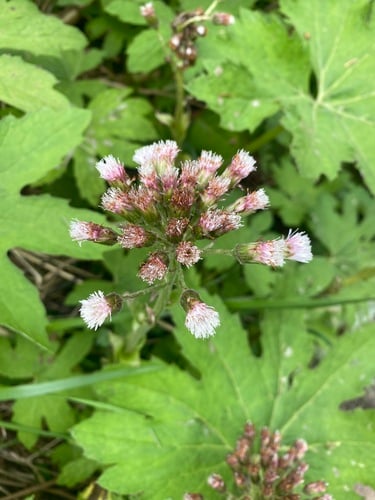
Petasites frigidus
Arctic Sweet Coltsfoot, Sweet coltsfoot
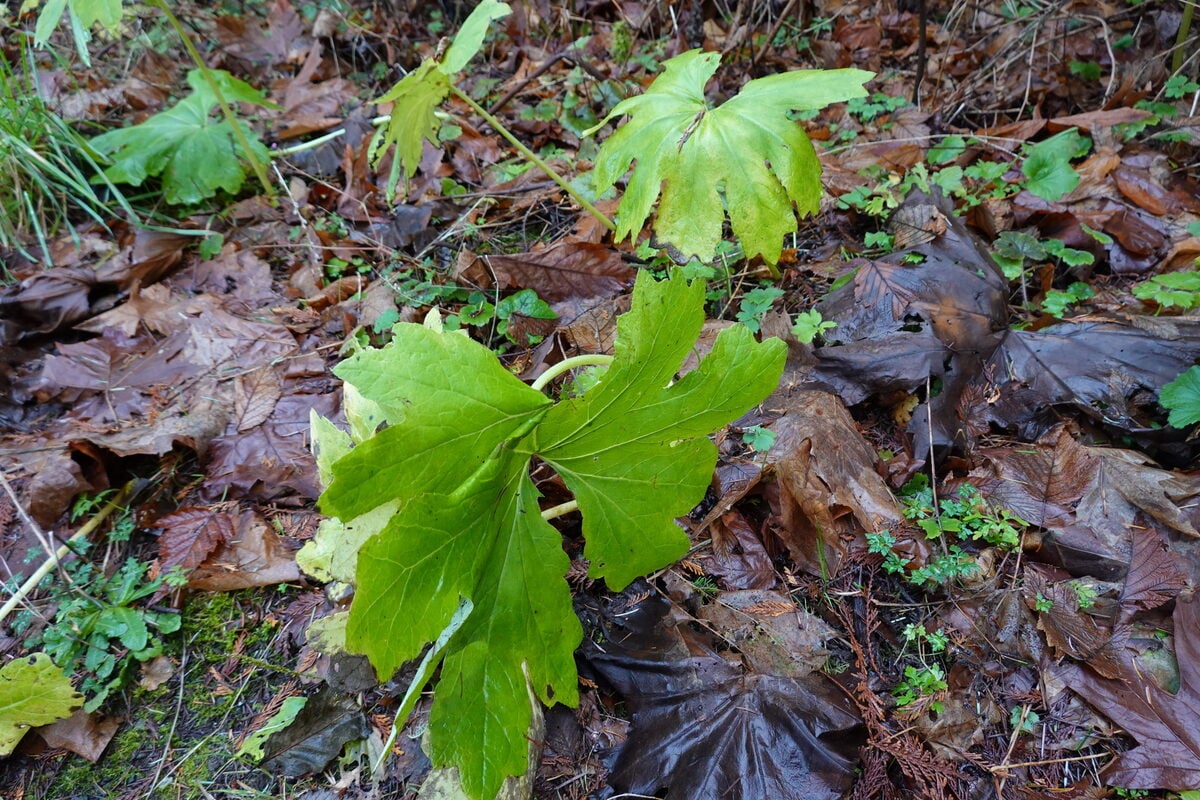
Petasites frigidus var. palmatus
Arctic sweet coltsfoot
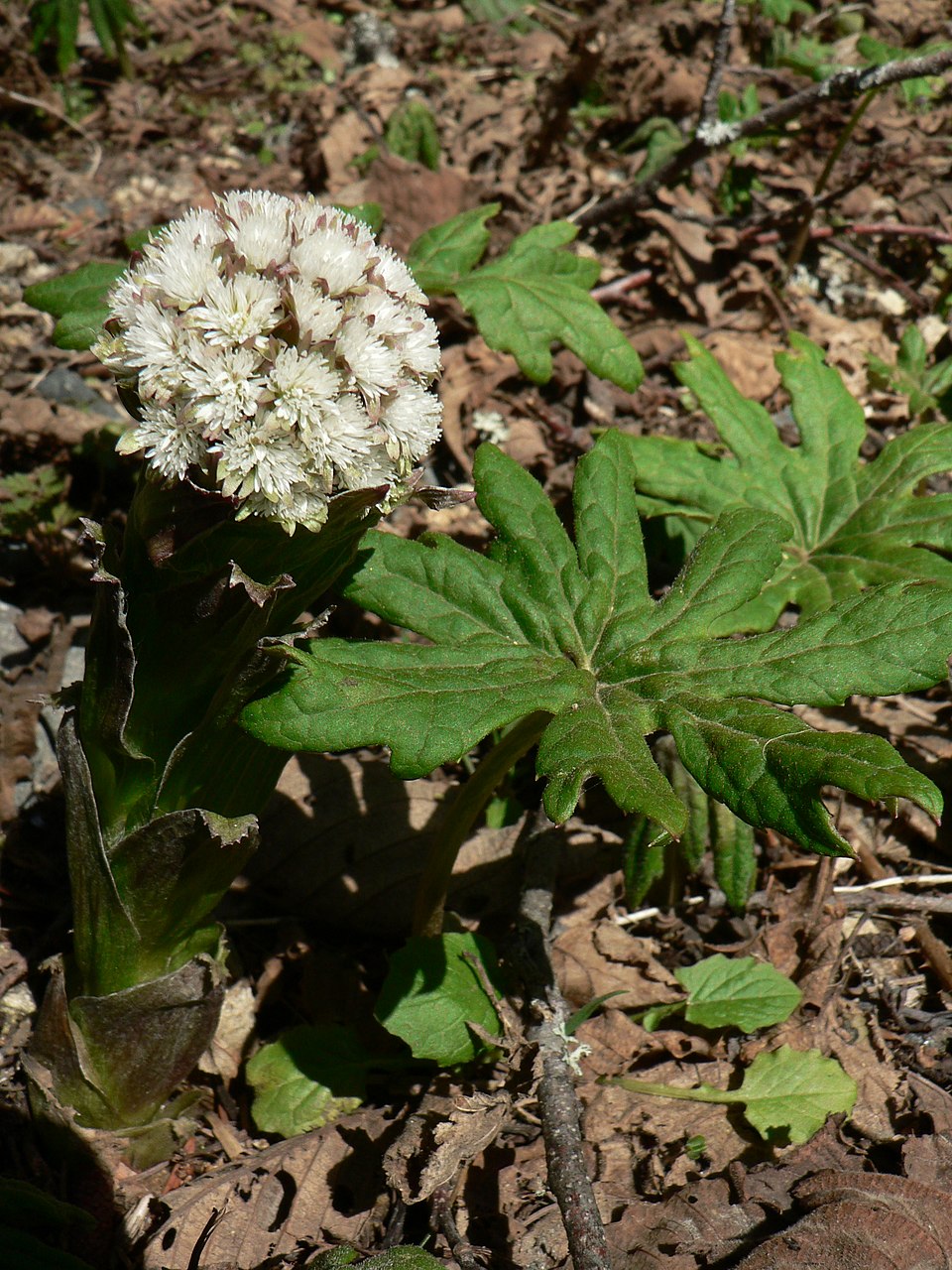
Petasites hyperboreus
Arctic sweet coltsfoot
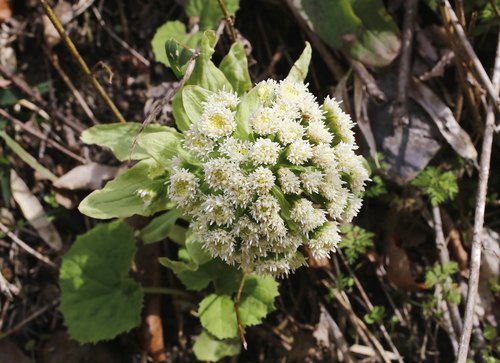
Petasites japonicus
Sweet coltsfoot, Butterbur, Bog rhubarb
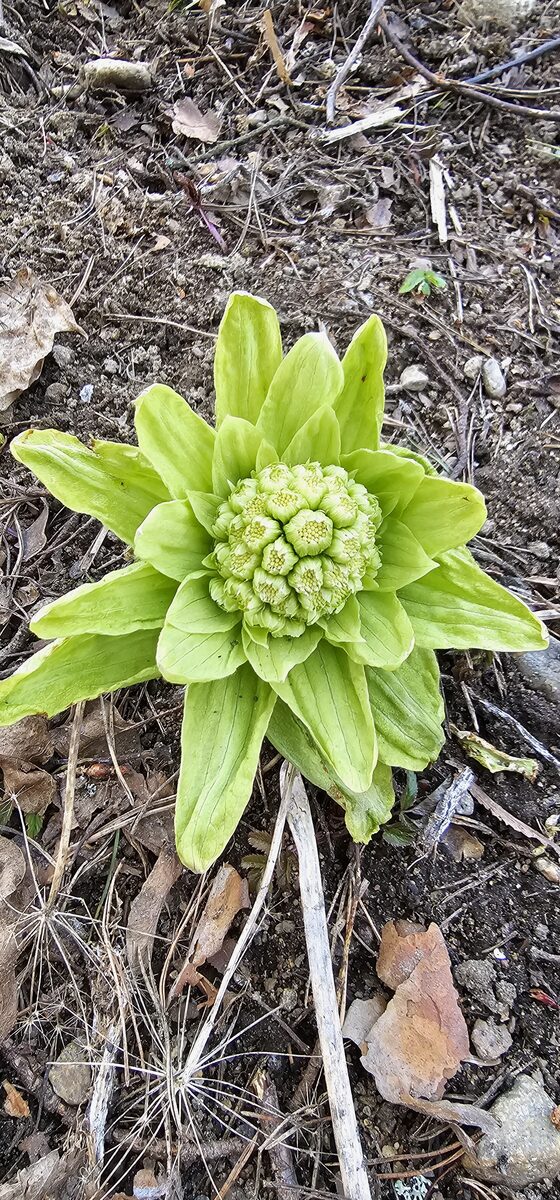
Petasites japonicus subsp. giganteus
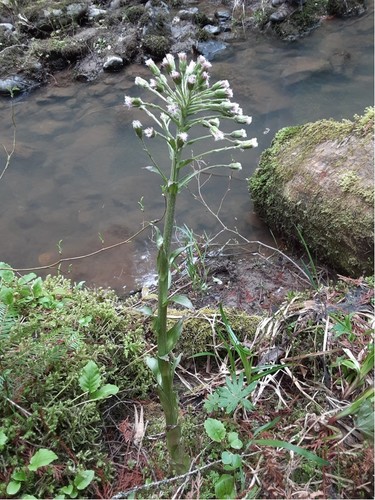
Petasites palmatus
Palmate butterbur, Sweet coltsfoot