Desplatsia dewevrei
(De Wild. et Th. Durand) Burret
iNaturalist· cc-by-nc
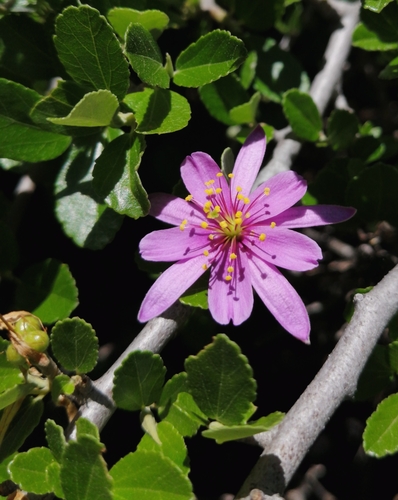
(c) Carel Jongkind, some rights reserved (CC BY-NC), uploaded by Carel Jongkind
iNaturalist· cc-by-nc
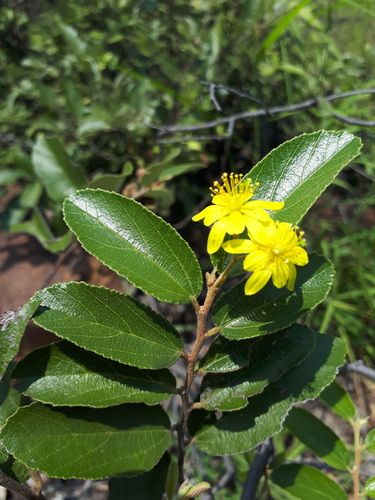
(c) Babajide Agboola, some rights reserved (CC BY-NC)
Description
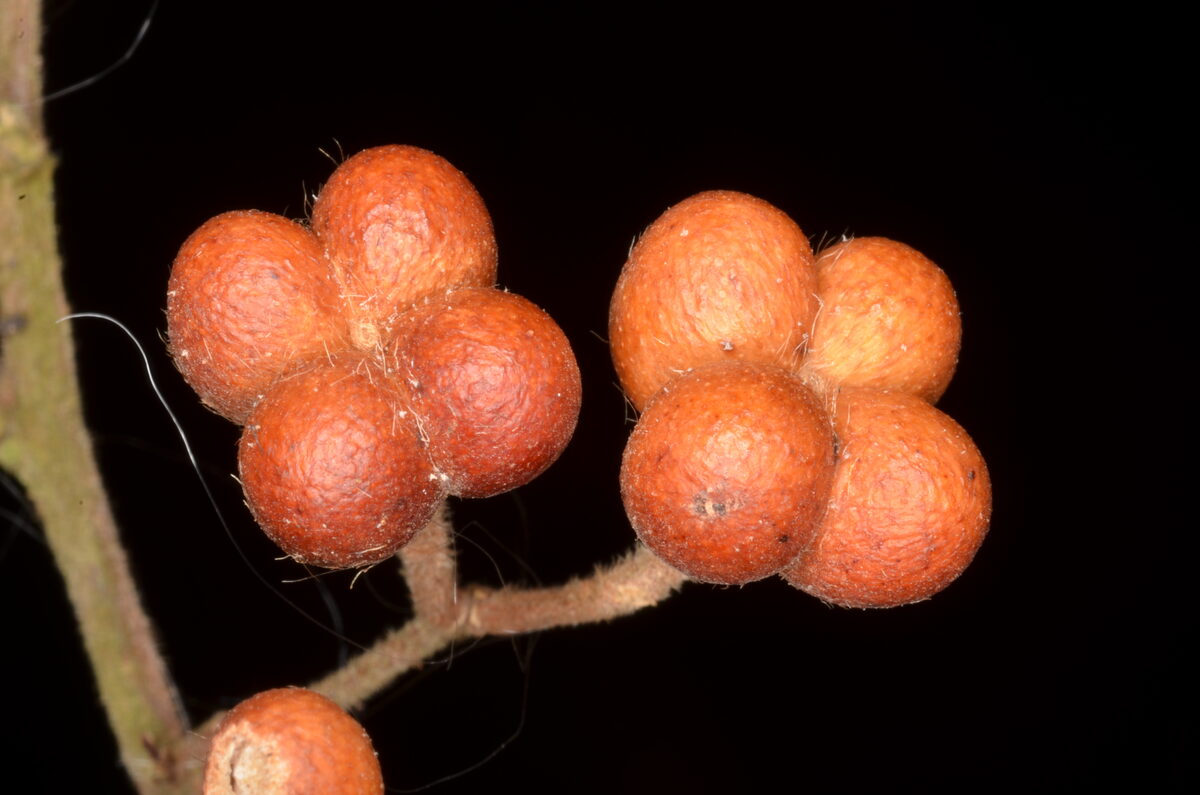
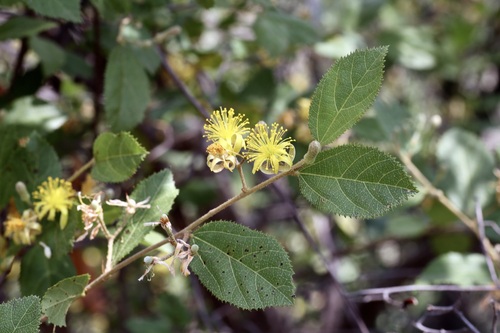
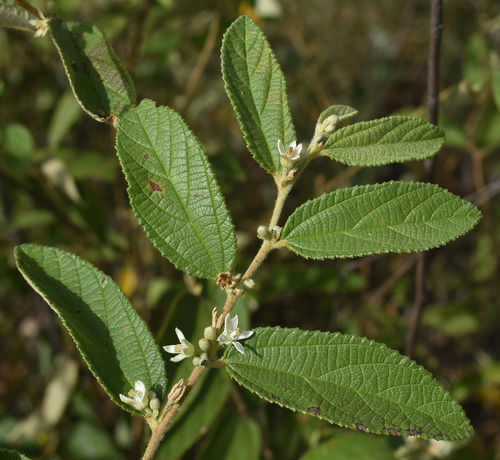
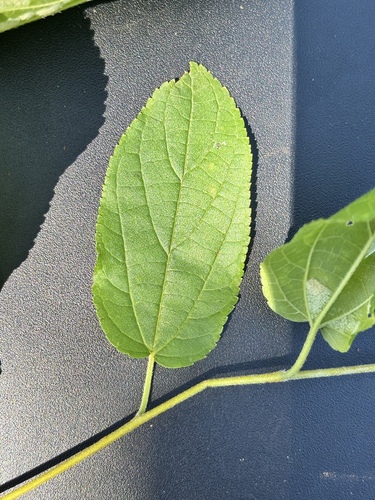
A medium sized tree. It grows 14 m high. The trunk is 1 m across. The crown is widely spreading. The bark is grey with papery scales. The small branches are purplish-brown. The leaves are 12-31 cm long and 4-12 cm wide. They are oval and are unequal sided at the base. There are teeth along the edge. They are pale green underneath. The flowers are white or yellow. The fruit are large and green and yellow when ripe.
Edible Uses
The seeds are eaten raw as a nut. The juice of the fruit is used as a spice for sauces.
Traditional Uses
The seed is eaten raw as a nut. The juice of the fruit is used as a spice for sauces.
This uses section is brief — help expand it
Distribution
It is a tropical plant. It grows as an understorey plant in the forest. It grows in lowland rainforest. It suits humid locations.
Where It Grows
Africa, Benin, Cabinda, Cameroon, Central Africa, Central African Republic, CAR, Congo DR, Congo R, Côte d'Ivoire, East Africa, Ghana, Ivory Coast, Nigeria, Togo, Uganda, West Africa,
Production
Plants fruit throughout the year.
Notes
There are only a few (about 5) Desplatsia confined to West Africa. It is also put in the family Sparrmanniaceae and Tiliaceae.
Synonyms
Also Known As
Bokamba, Bokomba, Buroso, Chombi, Chumbi, Esuli, Ila-erin, Kiokio, Likamba, Lisuli, Mbiu, Okamba, Okutaji, Piari, Wisamfia
References (15)
- Abbiw, D.K., 1990, Useful Plants of Ghana. West African uses of wild and cultivated plants. Intermediate Technology Publications and the Royal Botanic Gardens, Kew. p 46
- Burkill, H. M., 1985, The useful plants of west tropical Africa, Vol. 2. Kew.
- Grubben, G. J. H. and Denton, O. A. (eds), 2004, Plant Resources of Tropical Africa 2. Vegetables. PROTA, Wageningen, Netherlands. p 561
- http://aflora.africa.kyoto-u.ac.jp
- Jardin, C., 1970, List of Foods Used In Africa, FAO Nutrition Information Document Series No 2.p 42, 132
Show all 15 references Hide references
- Keay, R.W.J., 1989, Trees of Nigeria. Clarendon Press, Oxford. p 114
- Liengola, I. B., 2001, A contribution to the study of native edible plants by the Turumbu and Lokele of the Tshopo District, Province Orientale, D. R. Congo. Syst. Geogr. Pl. 71:687-698
- Mosango M., Szafranski F., 1985, Plantes sauvages à fruits comestibles dans les environs de Kisangani (Zaïre). In: Journal d'agriculture traditionnelle et de botanique appliquée, 32e année, pp. 177-190
- Nkeoua, G. & Boundzanga, G. C., 1999, Donnees sur les produits forestieres non ligneux en Republique du Congo. FAO. p 24
- Seidemann J., 2005, World Spice Plants. Economic Usage, Botany, Taxonomy. Springer. p 134
- Tanno, T., 1981, Plant Utilization of the Mbuti Pygmies: With Special reference to their Material Culture and Use of Wild Vegetable Foods. Kyoto University Research. African Study Monographs 1:1-53
- Terashima, H., & Ichikawa, M., 2003, A comparative ethnobotany of the Mbuti and Efe hunter-gatherers in the Ituri Forest, Democratic Republic of Congo. African Study Monographs, 24 (1, 2): 1-168, March 2003
- Termote, C., et al, 2011, Eating from the wild: Turumbu, Mbole and Bali traditional knowledge of non-cultivated edible plants, District Tshopo, DRCongo, Gen Resourc Crop Evol. 58:585-618
- von Katja Rembold, 2011, Conservation status of the vascular plants in East African rain forests. Dissertation Universitat Koblenz-Landau p 160
- World Checklist of Useful Plant Species 2020. Royal Botanic Gardens, Kew