Desmodium microphyllum
(Thunb.) DC.
iNaturalist· cc-by-nc
(c) 洪阿愷, some rights reserved (CC BY-NC)
iNaturalist· cc-by-nc
(c) 洪阿愷, some rights reserved (CC BY-NC)
iNaturalist· cc-by-nc
(c) 洪阿愷, some rights reserved (CC BY-NC)
Description
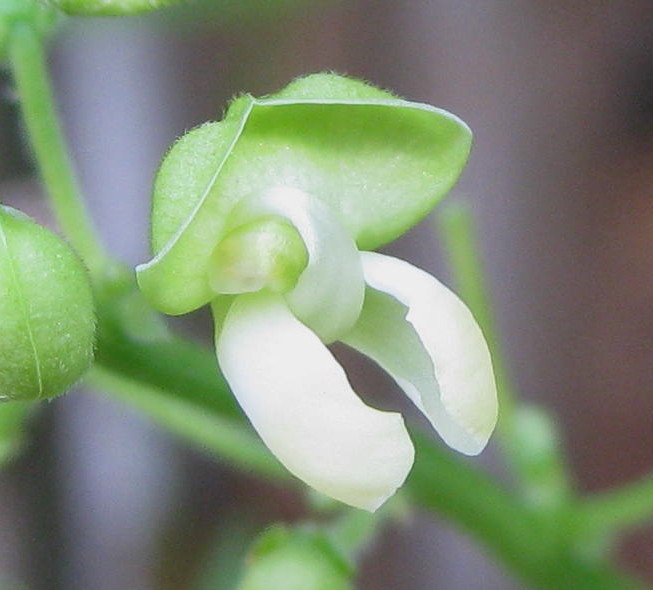
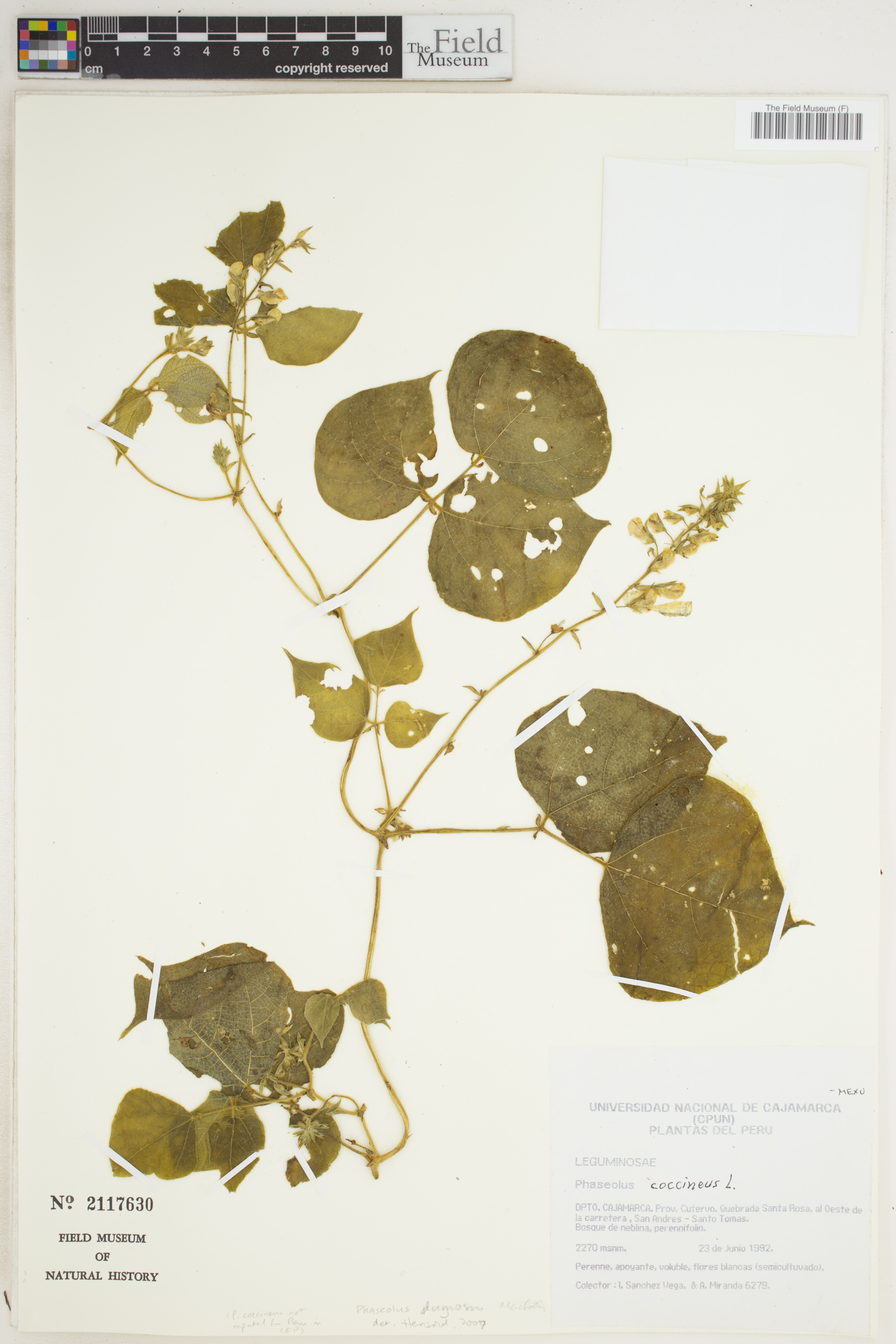
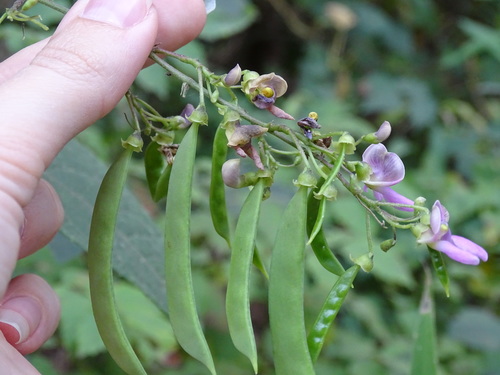
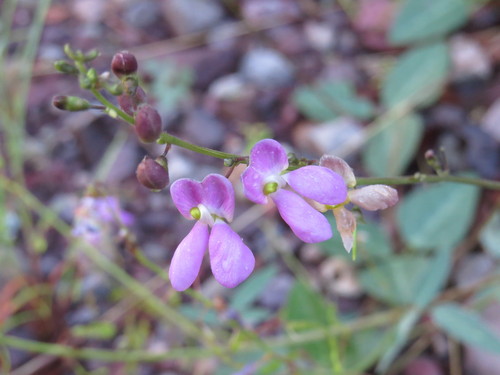
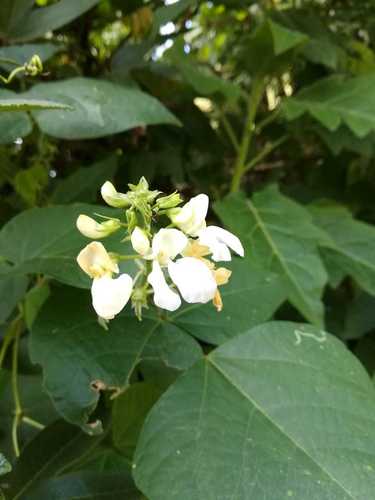
A low creeping legume with hairy stems. It is slightly more upright than Desmodium repandum. The stems can be 1.5 m long. It has 3 leaflets the edges of which are slightly wavy. They are 0.2-2.5 cm long and 1-7 mm wide. The leaf stalk is 1-3 mm long but can be longer. The flowers are on long unbranched terminal groups. These clusters are 1-5 cm long. It has cream, pink and blue flowers. They are 4-5 mm long. The fruit are pods 0.5-1.3 cm long and 2.5-3 mm wide. They have 3 to 4 joints. The segments are rounded.
Edible Uses
The young leaves are eaten as a vegetable.
Traditional Uses
The young leaves are eaten as a vegetable.
This uses section is brief — help expand it
Medicinal Uses
The roots are used in medicine.
Distribution
A tropical plant. In Papua New Guinea it occurs between 360 and 2000 m altitude. It occurs on the plains and hills of India except in the drier areas. In Sichuan and Yunnan.
Where It Grows
Asia, Australia, Cambodia, China, Himalayas, India, Indochina, Japan, Laos, Malaysia, Myanmar, Nepal, Pacific, Pakistan, Papua New Guinea, PNG, SE Asia, Sri Lanka, Taiwan, Thailand, Vietnam,
Cultivation
They are mostly self sown in grassland and old garden sites in the bush.
Notes
The roots are used in medicine. There are about 350 Desmodium species. They are mostly in the tropics. Also as Papilionaceae.
Synonyms
Also Known As
Khet-sunsuni, Trangqua la-nho, Xiao ye san dian jin
References (13)
- Ambasta, S.P. (Ed.), 2000, The Useful Plants of India. CSIR India. p 168
- Ann. Sci. Nat. (Paris) 4:100. 1825 Jan (As Desmodium parvifolium)
- Flora of Pakistan. www.eFloras.org
- French, B.R., 1986, Food Plants of Papua New Guinea, A Compendium. Asia Pacific Science Foundation p 81
- Huang Puhua; H. Ohashi, FABACEAE (Draft), Trib. Desmodieae (Bentham) Hutchinson. Flora of China.
Show all 13 references Hide references
- Pham-Hoang Ho, 1999, An Illustrated Flora of Vietnam. Nha Xuat Ban Tre. p 927
- Powell, J.M., Ethnobotany. In Paijmans, K., 1976, New Guinea Vegetation. Australian National University Press. p 109
- Prodr. 2:337. 1825
- Singh, H.B., Arora R.K.,1978, Wild edible Plants of India. Indian Council of Agricultural Research, New Delhi. p 25 (As Desmodium parvifolium)
- Vartak, V.D. and Kulkarni, D.K., 1987, Monsoon wild leafy vegetables from hilly regions of Pune and neighbouring districts, Maharashtra state. J. Econ. Tax. Bot. Vol. 11 No. 2 pp 331-335 (As Desmodium parvifolium)
- Verdcourt, B., 1979, Manual of New Guinea Legumes. Botany Bulletin No 11, Division of Botany, Lae, Papua New Guinea. p 402
- Wild edible plants of Himachal Pradesh
- World Checklist of Useful Plant Species 2020. Royal Botanic Gardens, Kew