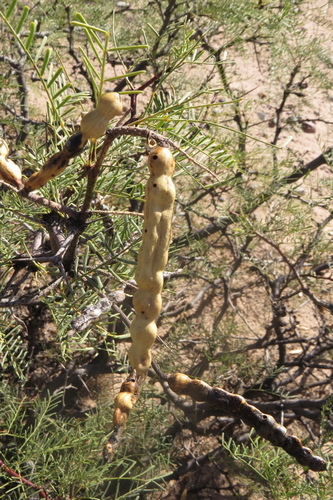
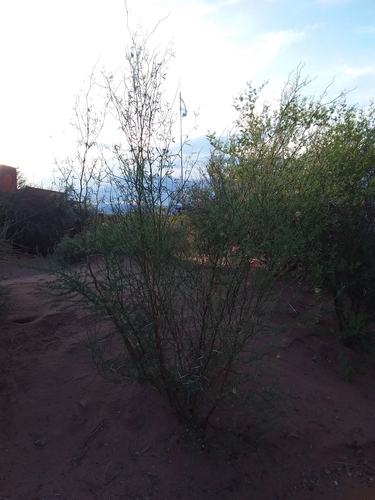
Phaseolus ritensis
M. E. Jones
Cocolmeca, Metcalfe bean
iNaturalist· cc-by-nc
(c) Kenneth Bader, some rights reserved (CC BY-NC), uploaded by Kenneth Bader
iNaturalist· cc-by
(c) CK2AZ, some rights reserved (CC BY), uploaded by CK2AZ
iNaturalist· cc-by-nc-sa
(c) Anthony Mendoza, some rights reserved (CC BY-NC-SA)
Summary
Source: WikipediaPhaseolus ritensis is a plant species native to Arizona, Sonora, Chihuahua, Sinaloa and Nuevo León. Common names include "Santa Rita Mountain bean" (in US) and "cocolmeca" in Mexico. It grows in forested areas in the mountains. Phaseolus ritensis is a perennial herb with a large woody taproot. It is a trailing herb with trifoliate leaves and pink to lavender flowers.
Description
A herb.
This description is brief — help expand it
Edible Uses
The plant is widely valued for both food and medicine throughout much of its native range. Green and ripe fruits served as an important food source in times past. Roots are the source of medicine, glue, and a fermenting agent.
Distribution
It is a subtropical plant. It is usually above 1,500 m above sea level.
Where It Grows
Central America, Mexico, North America,
Synonyms
References (6)
- Contr. W. Bot. 12:14. 1908
- Felger, R.S., Ancient Crops for the Twenty first century, in Rickie, G.A., (ed), 1979, New Agricultural Crops, AAAS Selected Symposium 38. Westview Press, Colarado. p 10
- Kermath, B. M., et al, 2014, Food Plants in the Americas: A survey of the domesticated, cultivated and wild plants used for Human food in North, Central and South America and the Caribbean. On line draft. p 638
- Laferriere, J. E. et al, 1991, Mineral composition of traditional Mexican teas. Plant Foods for Human Nutrition. 41:27-282
- Nabhan, G.P. & Felger, R.S., Wild desert relatives of crops: their direct uses as food in Wickens, G.E., Goodin, J.R., and Field, D.V.,(Eds.) 1985, Plants for Arid Lands. Unwin Hyman, London, p
Show all 6 references Hide references
- Nabhan, G. P. et al, 1980, Wild Beans of the Greater Southwest: Phaseolus metcalfei and P. ritensis. Economic Botany 34(1):68-85