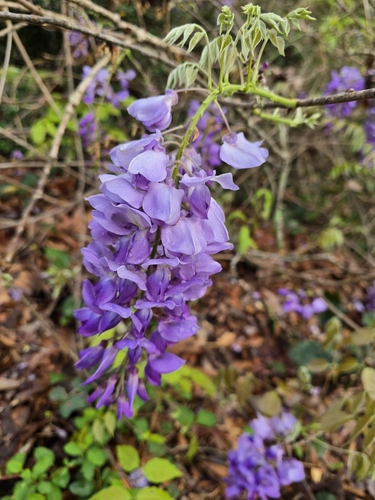
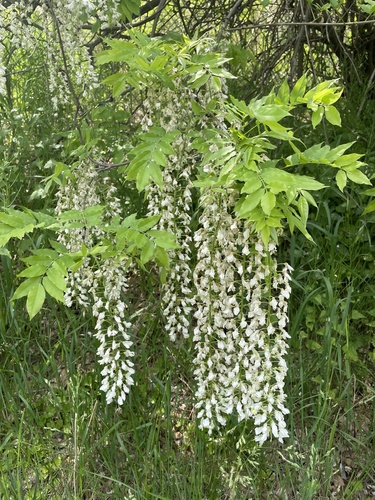
Phaseolus polystachios
(L.) Britton et al.
Wild bean
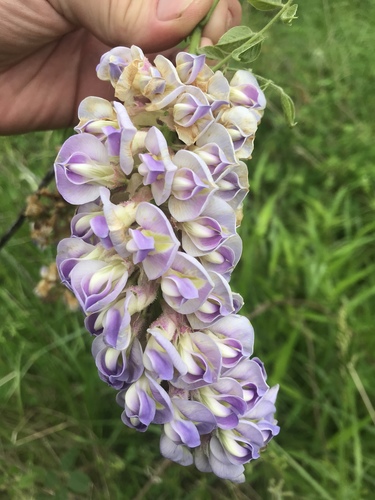
iNaturalist· cc-by-nc
(c) Samantha Heller, some rights reserved (CC BY-NC), uploaded by Samantha Heller
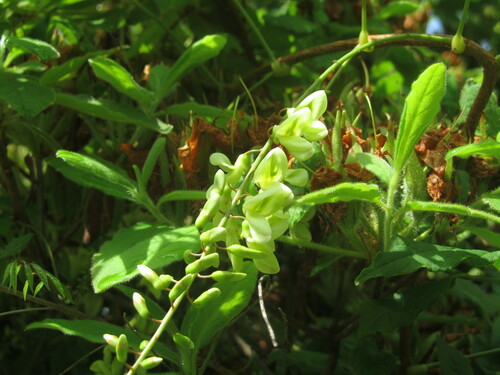
iNaturalist· cc-by
(c) Claire Herzog, some rights reserved (CC BY), uploaded by Claire Herzog
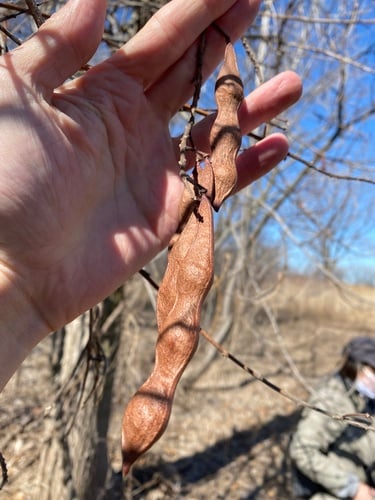
iNaturalist· cc-by-nc
(c) rossberryhill, some rights reserved (CC BY-NC)
Summary
Source: WikipediaPhaseolus polystachios, also known as the thicket bean or wild kidney bean, is a perennial, herbaceous vine that is native to North America. It is unique among the Phaseolus in that its native range extends across the eastern temperate United States to southeast Canada, while most Phaseolus are tropical or subtropical. It is the namesake for the Polystachios group clade, which is the most species-rich within Phaseolus (17 species). In spite of its common name, it is more closely related to the lima bean (Phaseolus lunatus), and it holds potential as a crop wild relative due to its resistance to white mold (Sclerotinia sclerotiorum).
Description
Fast-growing climber reaching 3m tall and 0.2m wide. Hardy to UK zone 7. Insect-pollinated. Requires full sun or semi-shade (light woodland); tolerates light sandy, medium loamy, and heavy clay soils preferring well-drained conditions with mildly acid to basic pH. Prefers moist soil. Fixes nitrogen.
Edible Uses
The seeds are eaten fresh or dried, and are cooked before eating. The elongated seedpod can reach 70mm long and 12mm wide, and contains black, squarish seeds approximately 6mm long, 6–7mm wide, and 4mm thick.
Traditional Uses
The seeds are eaten, fresh or dried.
This uses section is brief — help expand it
Medicinal Uses
None known
Distribution
It is a temperate plant. It grows in dry woods and sandy thickets. It suits hardiness zones 6-10.
Where It Grows
North America, USA,
Propagation
Once ripened and dried, seeds may benefit from scarification to improve germination. Pour a small amount of nearly boiling water over the seeds (taking care not to cook them), then soak in warm water for 12–24 hours until swollen. If they have not swollen, carefully nick the seedcoat without damaging the embryo and soak for a further 12 hours before sowing.
Other Uses
Useful in carbon farming agroforestry systems for nitrogen fixation.
References (3)
- Jackes, D. A., Edible Forest Gardens
- Kermath, B. M., et al, 2014, Food Plants in the Americas: A survey of the domesticated, cultivated and wild plants used for Human food in North, Central and South America and the Caribbean. On line draft. p 639
- Prelim. cat. 15. 1888