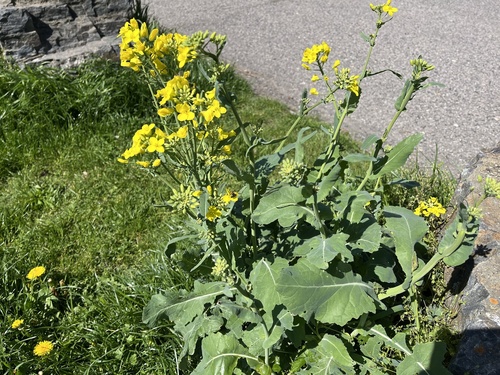
Brassica rapa perviridis
L.H.Bailey
Mustard Spinach
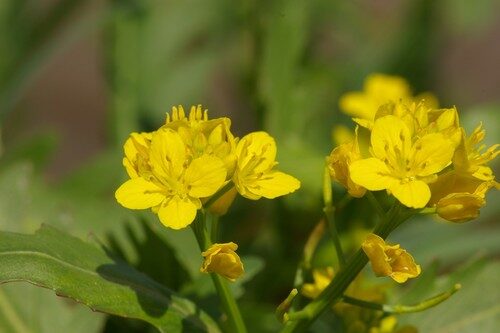
iNaturalist· cc-by-nc
(c) Stepan Senator, some rights reserved (CC BY-NC), uploaded by Stepan Senator
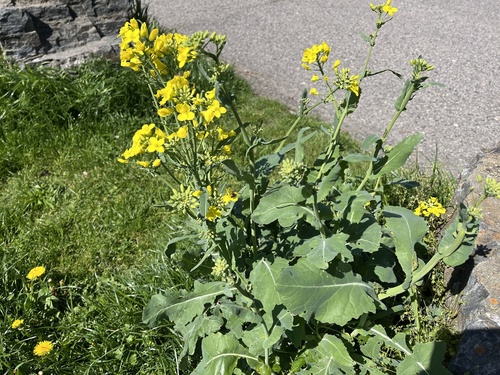
iNaturalist· cc-by-nc
(c) Шильников Дмитрий Сергеевич, some rights reserved (CC BY-NC), uploaded by Шильников Дмитрий Сергеевич
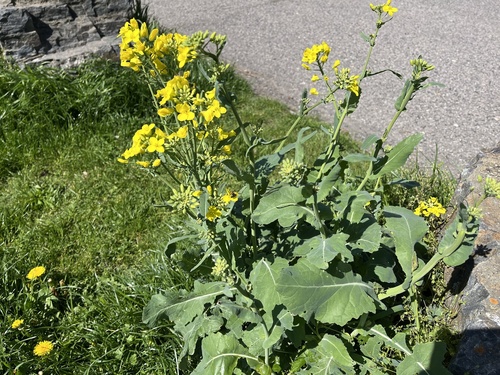
iNaturalist· cc-by-nc
(c) emileechristinee, some rights reserved (CC BY-NC)
Description
Brassica rapa perviridis is a BIENNIAL growing to 0.5 m (1ft 8in) by 0.5 m (1ft 8in) at a fast rate. See above for USDA hardiness. It is hardy to UK zone 7 and is not frost tender. It is in flower from May to August. The species is hermaphrodite (has both male and female organs) and is pollinated by Bees. The plant is self-fertile. Suitable for: light (sandy), medium (loamy) and heavy (clay) soils and prefers well-drained soil. Suitable pH: mildly acid, neutral and basic (mildly alkaline) soils. It can grow in semi-shade (light woodland) or no shade. It prefers moist soil and can tolerate drought.
Edible Uses
Leaves - raw or cooked. The flavour is a happy compromise between the blandness of cabbages and the sharpness of the oriental mustards. The plant can be eaten at any stage from seedling to mature plant. Flowering stems - raw or cooked. Sweet and succulent, but becoming hotter as the plant matures.
Known Hazards
The oil contained in the seed of some varieties of this species can be rich in erucic acid which is toxic. However, modern cultivars have been selected which are almost free of erucic acid.
Distribution
A cultivar of garden origin.
Where It Grows
(Brassica rapa) Albania, Algeria, Bulgaria, Eritrea, Ethiopia, Greece, Iran, Iraq, Italy, Kriti, Lebanon-Syria, Libya, Morocco, North Caucasus, Oman, Palestine, Saudi Arabia, Transcaucasus, Tunisia, Turkey, Yugoslavia.
Cultivation
Succeeds in full sun in a moisture-retentive well-drained fertile preferably alkaline soil. Prefers a cool moist reasonably fertile soil. The plant is somewhat deeper rooted than many of the oriental brassicas and is more tolerant of drought, though it grows best if it is not short of water. Mustard spinach is widely cultivated in the Orient for its edible leaves, there are many named varieties. It takes 55 - 80 days for plants to reach maturity from sowing. This is a very hardy plant, although knocked back, it has withstood temperatures down to about -14°c and can be cropped for most of the year. It is much less likely to bolt from a spring sowing and is fairly resistant to summer heat.
Propagation
Seed - sow in situ April to September. Some varieties can also be sown in a cold greenhouse in late autumn, winter or early spring to provide leaves overwinter and in late spring.