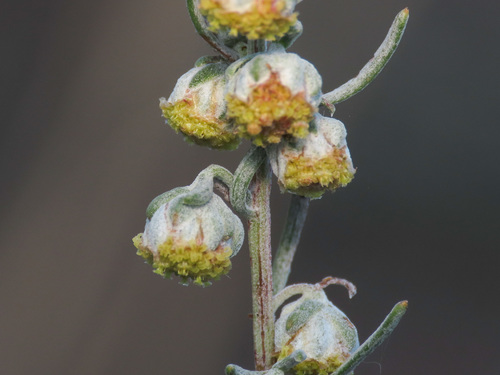
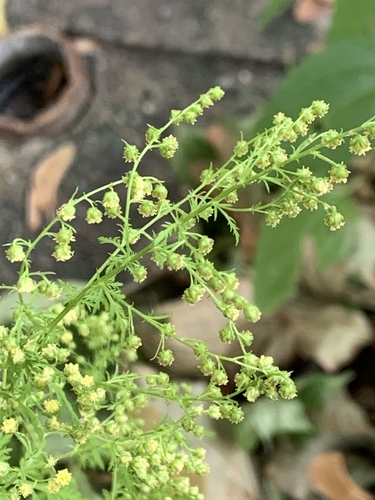
Dendranthema x grandiflorum
(Ramat.) Kitam.
Chrysanthemum
iNaturalist· cc-by-nc
(c) Puneet Nagendrakumar, some rights reserved (CC BY-NC)
iNaturalist· cc-by-nc
(c) Puneet Nagendrakumar, some rights reserved (CC BY-NC)
iNaturalist· cc-by-nc
(c) Puneet Nagendrakumar, some rights reserved (CC BY-NC)
Summary
Source: WikipediaA perennial chrysanthemum growing to 1.5 m tall at a moderate pace. Hardy to UK zone 4, it blooms from August to October with hermaphrodite flowers pollinated by insects. Thrives in light sandy, medium loamy, or heavy clay soils across a wide pH range from mildly acidic to mildly alkaline. Requires full sun and prefers consistently moist soil.
Description
A herb. It can grow for 2 or more years. It grows 30-120 cm tall. The leaves are oval and have several lobes. They vary in size and have a wedge shaped base. The flower heads can be up to 20 cm across. They can be a range of colours.
Edible Uses
Flower heads or petals are parboiled and served as a salad with tofu, seasoned with vinegar or soya sauce. They can also be prepared as tempura, pickled, dried, or added to soups. The petals contain approximately 1.9% protein, 0.9% fat, 5.3% carbohydrate, and 0.7% ash. Leaves are eaten cooked, often prepared as fritters; they are aromatic, and some varieties have been selected for low bitterness. An aromatic tea can be made from the leaves. A tangy, aromatic tea is also made from the flowers or petals — using petals alone produces a sweeter result.
Traditional Uses
The flowers are used to flavour tea and alcohols. They are also pickled, dried and added to soups.
This uses section is brief — help expand it
Medicinal Uses
Chrysanthemum flowers, known in China as Ju Hua, are a bitter aromatic herb with thousands of years of use in Chinese medicine. Taken as a refreshing tisane, they are used to improve vision, soothe sore eyes, relieve headaches, and counter infections. They are antibacterial, antifungal, anti-inflammatory, carminative, depurative, diaphoretic, febrifuge, ophthalmic, refrigerant, and sedative. Taken internally they dilate the coronary artery, increasing blood flow to the heart, and are used in treating hypertension, coronary heart disease, and angina. Flowers are harvested when fully open in autumn and dried for later use; in China they are steamed before drying to reduce bitterness. Leaf juice is applied externally to wounds.
Distribution
It is a tropical plant.
Where It Grows
Asia, China, India, Indochina, Iraq, Japan, Malesia, Middle East, Philippines, SE Asia, Thailand, Vietnam,
Propagation
Sow seed in spring to early summer in a greenhouse, barely covering it. Germination usually takes 10–18 days at 15°C; if germination has not occurred within 4 weeks, chill the seed for 3 weeks in the salad compartment of a refrigerator. Prick out into individual pots once large enough to handle and plant out during summer. Note that as a hybrid species it will not breed true from seed. Divide established clumps in spring — larger clumps can go straight into permanent positions, while smaller clumps are best potted up and grown on in a cold frame until rooting well before planting out in spring.
Other Uses
Plants grown indoors in pots can help remove toxins from the atmosphere, and are especially effective at removing formaldehyde, benzene, and ammonia vapours.
Synonyms
Also Known As
Manasilla
References (3)
- Acta Phytotax. Geobot. 29:165. 1978
- Lim, T. K., Edible Medicinal and Non-Medicinal Plants Volume 7 Flowers
- Plants for a Future database, The Field, Penpol, Lostwithiel, Cornwall, PL22 0NG, UK. http://www.scs.leeds.ac.uk/pfaf/