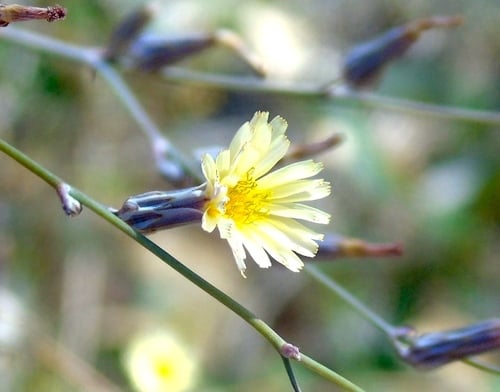
Bidens parviflora
Willd.
iNaturalist· cc-by-nc
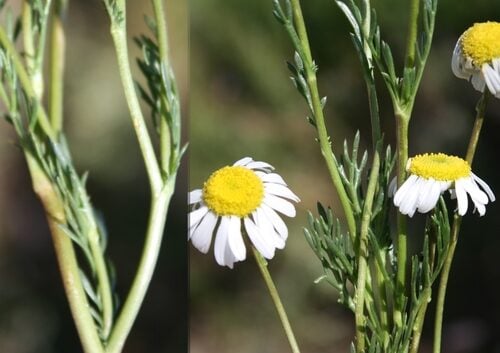
(c) V.S. Volkotrub, some rights reserved (CC BY-NC), uploaded by V.S. Volkotrub
iNaturalist· cc-by-nc
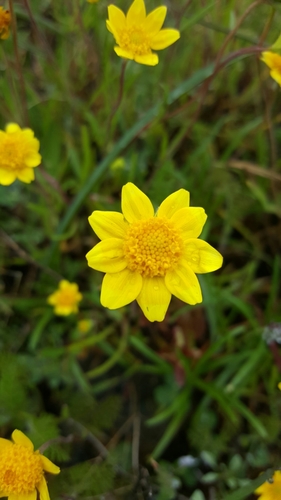
(c) Мария Маренина, some rights reserved (CC BY-NC), uploaded by Мария Маренина
iNaturalist· cc-by-nc
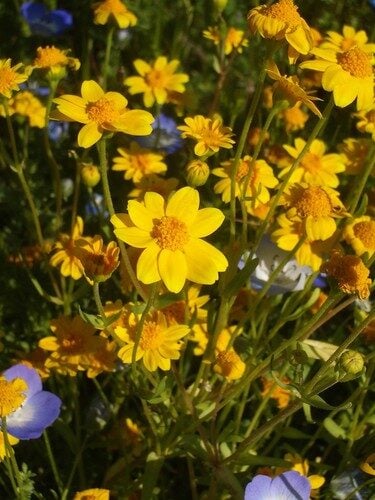
(c) Nan Yang, some rights reserved (CC BY-NC), uploaded by Nan Yang
Summary
Source: WikipediaAnnual herb reaching 60cm tall. Hermaphrodite flowers pollinated by insects, blooming in September with seeds ripening in October. Tolerates light sandy, medium loamy, and heavy clay soils across mildly acid to basic pH ranges. Requires full sun and prefers moist conditions.
Description
A herb. It grows each year from seed. It grows 20-80 cm tall. The leaves are divided 2 or 3 times. The segments are narrow.
This description is brief — help expand it
Edible Uses
Edible Parts: Leaves Edible Uses: Young plants - cooked.
Medicinal Uses
Antidote Stings Vulnerary Antidote, stings, vulnerary.
Distribution
It is a temperate plant. It grows in marshes and along streams. It grows in wetlands. In Sichuan.
Where It Grows
Asia, China, Japan, Korea, Mongolia, Russia,
Cultivation
We have very little information on this species and do not know if it will succeed outdoors in Britain, though it should be possible to grow it as a spring-sown annual. The following notes are based on the general needs of the genus. Succeeds in any moderately fertile moisture-retentive soil in full sun.
Propagation
Seed - sow early spring in a greenhouse and only just cover the seed. When they are large enough to handle, prick the seedlings out into individual pots and plant them out in May. Alternatively, a sowing in situ in mid to late spring can be tried.
Other Uses
None known Special Uses
Notes
There are about 200 Bidens species. Most are in North America.
References (4)
- Plants for a Future database, The Field, Penpol, Lostwithiel, Cornwall, PL22 0NG, UK. http://www.scs.leeds.ac.uk/pfaf/
- Urgamal, M., Oyuntsetseg, B., Nyambayar, D. & Dulamsuren, Ch. 2014. Conspectus of the vascular plants of Mongolia. (Editors: Sanchir, Ch. & Jamsran, Ts.). Ulaanbaatar, Mongolia. “Admon“ Press. 334pp. (p. 199-230).
- World Checklist of Useful Plant Species 2020. Royal Botanic Gardens, Kew
- Zhang, Y., et al, 2014, Diversity of wetland plants used traditionally in China: a literature review. Journal of Ethnobiology and Ethnomedicine. 10:72