Aegilops triuncialis
L.
Wild goat grass, Barbed goatgrass
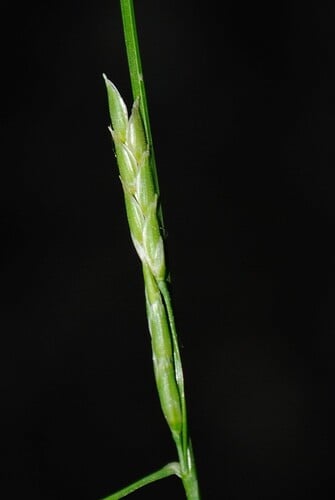
iNaturalist· cc-by-nc
(c) Наталья Гамова, some rights reserved (CC BY-NC), uploaded by Наталья Гамова
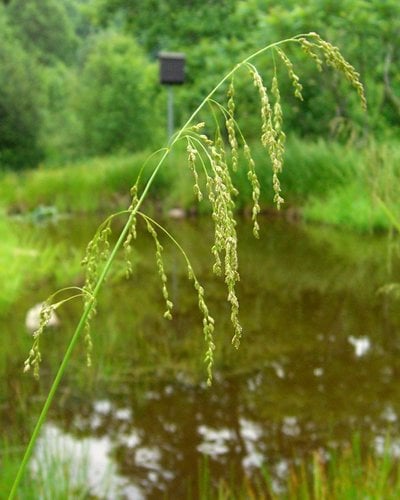
iNaturalist· cc-by-nc
(c) Теймуров А.А., some rights reserved (CC BY-NC), uploaded by Теймуров А.А.
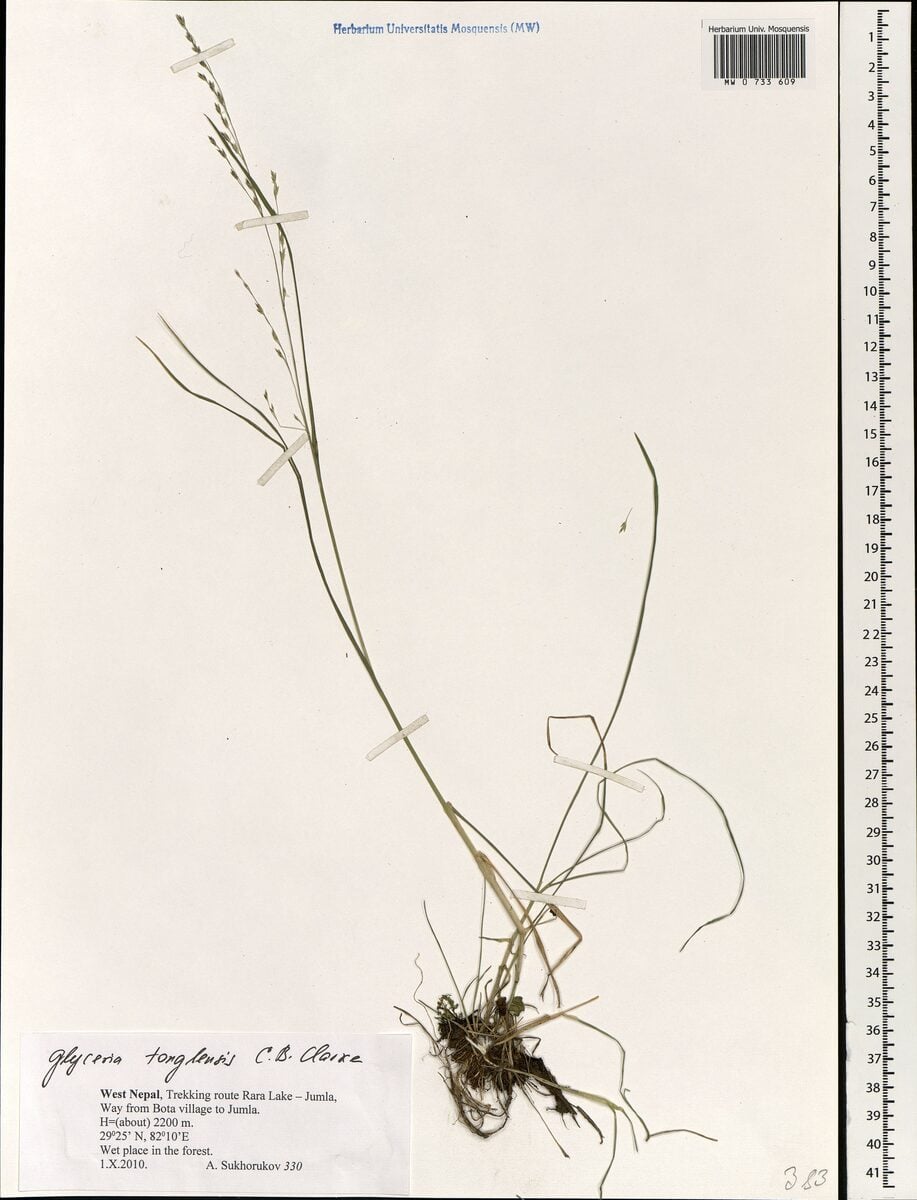
iNaturalist· cc-by-nc
(c) bunsenburnout, some rights reserved (CC BY-NC)
Summary
Source: WikipediaAegilops triuncialis, or barbed goatgrass, is a grass species of the family Poaceae. It is a winter annual native to many areas in Eastern and Mediterranean Europe and Western Asia. It is considered an introduced, invasive species in North America, mainly in the Western coast of the United States. In its native lands, the grass thrives in mainly rocky, serpentine soil, but also does well in grasslands and ruderal/disturbed ground as well as oak woodlands.
Description
Aegilops triuncialis is a compact annual grass reaching 0.3 m (1 ft) tall. Hardy to UK zone 9 and not frost tender. Wind-pollinated hermaphrodite. Tolerates light sandy, medium loamy, and heavy clay soils with good drainage and thrives in heavy clay. Requires full sun and tolerates both dry and moist soil across mildly acidic to mildly alkaline pH ranges.
Edible Uses
The seeds are small and fiddly to work with. They serve as an emergency food and can be used as a cereal for making bread and similar preparations.
Traditional Uses
The immature seeds are eaten raw as a snack.
This uses section is brief — help expand it
Medicinal Uses
None known
Distribution
It is a warm temperate plant. It suits hardiness zones 8-10.
Where It Grows
Albania, Central Asia, Europe, Iran, Mediterranean, Middle East, Pakistan, Spain, Tajikistan,
Cultivation
We have very little information on this species, it probably requires a well drained soil in a sunny position and should be tolerant of clay since it favours clay soils in the wild. This species is believed to have hybridized with primitive forms of Triticum spp (Wheat) to produce some of the more modern Triticum spp. It could, therefore, be of value in wheat breeding programmes. It grows successfully at Kew, setting seed even in cool summers.
Propagation
Sow seed in situ in March or April, covering it only just barely. Keep the soil consistently moist until germination. Alternatively, sow in a greenhouse in early March and transplant outdoors in May.
Other Uses
None known
Other Information
It is cultivated.
Notes
An ancestor of hybrid wheat. It can be invasive.
Synonyms
Also Known As
Rompisacos
References (4)
- Plants for a Future database, The Field, Penpol, Lostwithiel, Cornwall, PL22 0NG, UK. (As Aegilops squarrosa)
- Sp. pl. 2:1051. 1753 (As Aegilops squarrosa)
- Tardio, J., et al, 2006, Ethnobotanical review of wild edible plants in Spain. Botanical J. Linnean Soc. 152, 27-71
- Zeven, A. C. & de West, J. M. J., 1982, Dictionary of cultivated plants and their regions of diversity. Wageningen. p 83