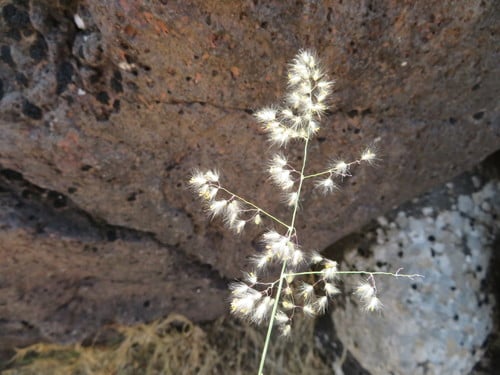
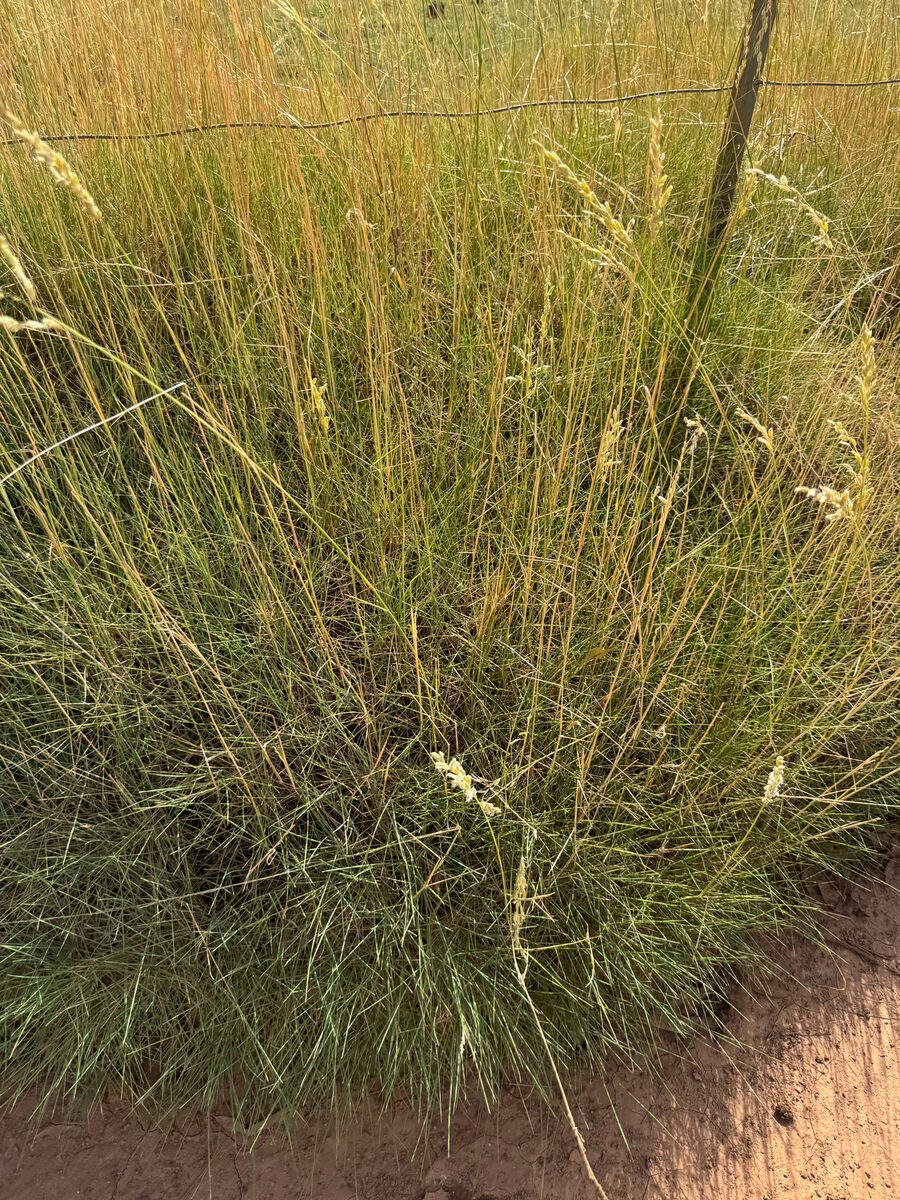
Zizaniopsis miliacea
(Michx.) Doll & Asch.
Water millet, Southern wild rice
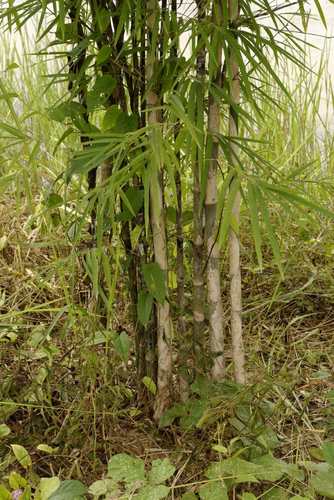
iNaturalist· cc-by
(c) Michael J. Papay, some rights reserved (CC BY), uploaded by Michael J. Papay
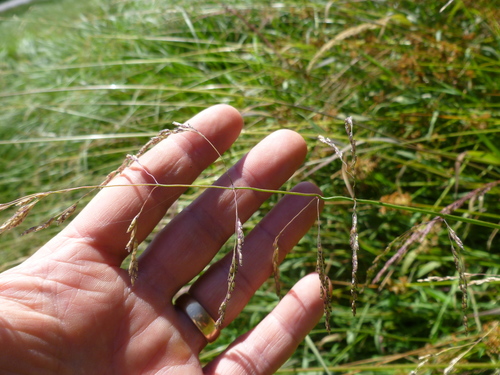
iNaturalist· cc-by
(c) Michael J. Papay, some rights reserved (CC BY), uploaded by Michael J. Papay
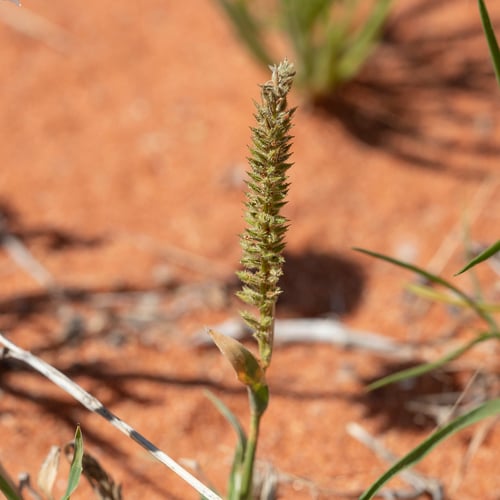
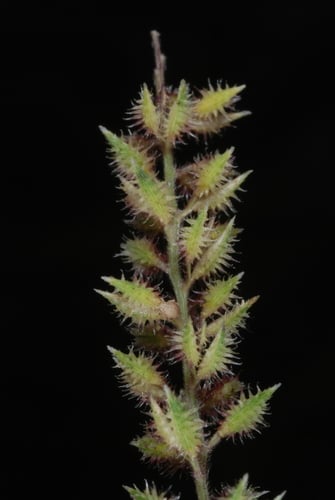
iNaturalist· cc-by
(c) Michael J. Papay, some rights reserved (CC BY), uploaded by Michael J. Papay
Summary
Source: WikipediaZizaniopsis miliacea is a species of flowering plant in the grass family, Poaceae. It is known by the common names giant cutgrass, water millet, and southern wildrice. The name giant cutgrass refers to the plant's large, rough-edged leaves, and the name southern wildrice refers to its resemblance to wildrice (Zizania spp.). It is native to the southeastern United States and it can also be found in central Mexico. This perennial grass grows from rhizomes, producing stems up to 4 meters tall and 3.5 centimeters wide. The stems root at nodes that come in contact with the substrate. It also spreads via functional stolons (decumbent rooting stems) and vegetative buds that erupt from the stems. The blue-green leaves are up to a meter long and 3 centimeters wide. The panicles may exceed 80 centimeters long and are usually up to 20 centimeters wide. This plant grows in aquatic habitat, such as marshes and riverbanks. It is also common in former rice paddies. This grass forms large colonies by spreading via its stolon-like stems and rhizomes. It grows in fresh and brackish water, tolerating some salt in the water. It is sometimes planted for erosion control in wetlands. Large stands of the plant are sometimes considered to be a nuisance, providing "poor wildlife habitat"; however, it does provide nesting sites, cover, and food for animals.
Description
A subtropical grass in the family Poaceae with sharp-edged leaves, notable as a weed in shallow water.
This description is brief — help expand it
Edible Uses
The young tips of the white rhizomes are sliced, cooked, and eaten with butter.
Traditional Uses
The young tips of the white rhizomes are sliced, cooked and eaten with butter.
This uses section is brief — help expand it
Distribution
It is a subtropical plant.
Where It Grows
Brazil, Mexico, North America, South America, USA,
Notes
It is a weed in shallow water.
Also Known As
Arroz silvestre del sur
References (5)
- Facciola, S., 1998, Cornucopia 2: a Source Book of Edible Plants. Kampong Publications, p 184
- Kermath, B. M., et al, 2014, Food Plants in the Americas: A survey of the domesticated, cultivated and wild plants used for Human food in North, Central and South America and the Caribbean. On line draft. p 940
- Lim, T. K., 2015, Edible Medicinal and Non Medicinal Plants. Volume 9, Modified Stems, Roots, Bulbs. Springer p 88
- C. F. P. Martius, Fl. bras. 2:13. 1871
- Romanowski, N., 2007, Edible Water Gardens. Hyland House. p 117