Cerasus fruticosa
Pallas
Sour cherry
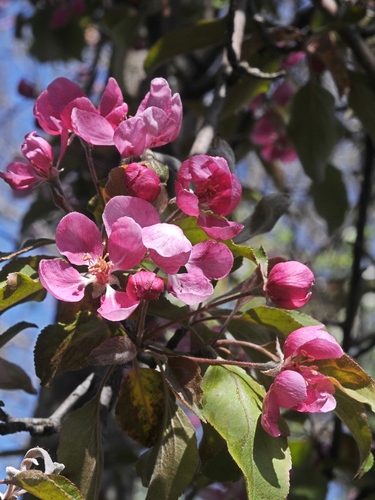
iNaturalist· cc-by-nc
(c) Al Losk (Lifebra), some rights reserved (CC BY-NC)
iNaturalist· cc-by-nc
(c) Al Losk (Lifebra), some rights reserved (CC BY-NC)
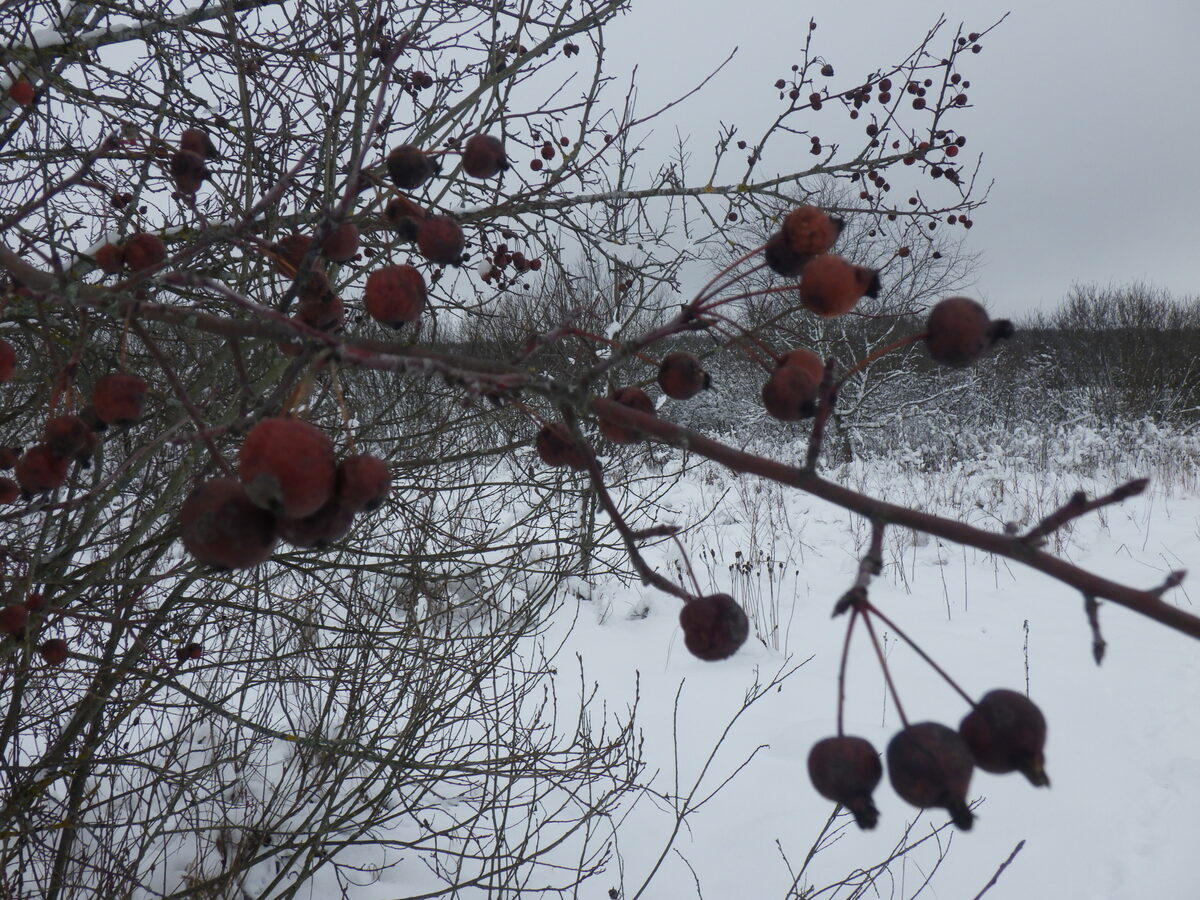
iNaturalist· cc-by-nc
(c) Al Losk (Lifebra), some rights reserved (CC BY-NC)
Description
A low shrub. It grows 1 m tall. It develops root suckers. The fruit are 8-10 mm across. They are dark red.
This description is brief — help expand it
Edible Uses
The sour pulp is edible. Dried sour cherries are used in cooking including soups, pork dishes, cakes, tarts, and pies. They are also used to make a jam/fruit spread. Sour cherries are particularly common in Turkey, especially in the form of vişne suyu (sour cherry nectar), a widely consumed beverage, and vişne reçeli (sour cherry jam), often eaten as part of a traditional breakfast or mixed into plain yoghurt. Sour cherries or sour cherry syrup are used in liqueurs and drinks, such as the Romanian vișinată or the Portuguese ginjinha. In Iran, Turkey, Greece and Cyprus, sour cherries are prized for making spoon sweets by slowly boiling pitted sour cherries and sugar; the syrup thereof is used for sharbat-e Albalou, vişne şurubu or vyssináda, a beverage made by diluting the syrup with ice-cold water. A particular use of sour cherries is in the production of kriek lambic, a cherry-flavored variety of a naturally fermented beer made in Belgium. In Germany and Austria, sour cherries are used for desserts such as the donauwelle. Cherry bounce is made by infusing sour cherries in old French brandy.
Traditional Uses
The fruit are eaten fresh and also used for drinks.
This uses section is brief — help expand it
Distribution
It is a temperate plant. It can tolerate drought.
Where It Grows
Central Asia, Europe, Kazakhstan, Russia, Siberia,
References (2)
- Aipeisova S.A., et al, 2019, Wild useful herbs of Aktobe Region (Western Kazakhstan). Ukrainian Journal of Ecology, 9(3), 329-331
- Zhang, Y. et al, 2020, Characteristics and utilization of plant diversity and resources in Central Asia. Regional Sustainability. Elsevier. p 6